


The plastics industry relies heavily on Solvent Dyes, which are necessary to provide vivid and durable colours to plastic products. These dyes are versatile and can be used in various plastic resins through different processing methods like injection moulding, blow moulding, and extrusion. At Alliance Organics LLP, we acknowledge the significance of colour in the plastics industry and thus offer a diverse range of Solvent Dyes to cater to our customer’s specific needs.
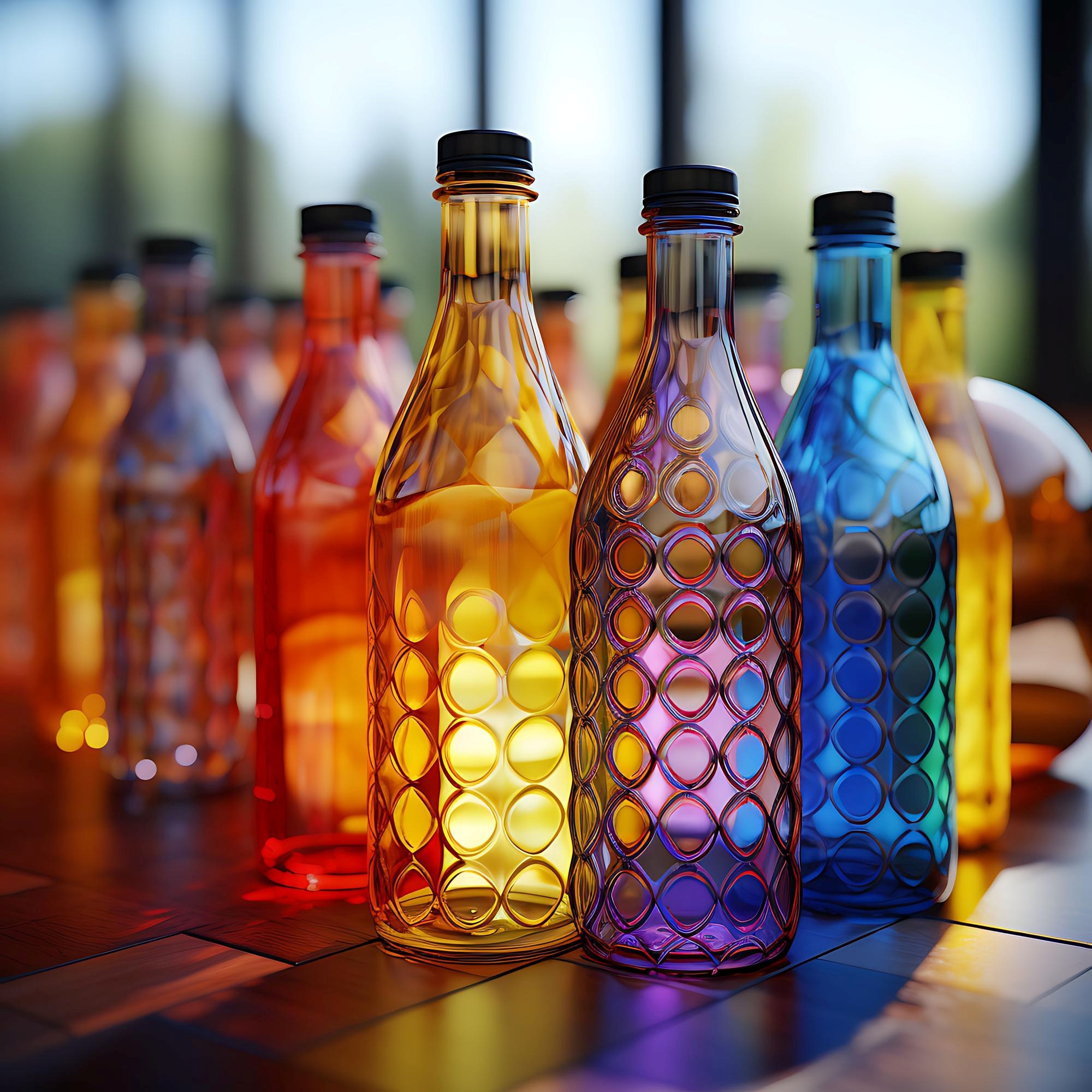
Solvent Dyes come in a variety of colours for plastics, including primary colours such as blue, red, and yellow, as well as secondary and tertiary colours. They can be combined to make custom colours, providing manufacturers with greater flexibility in product design. Solvent dyes are resistant to high temperatures, which is important for applications that involve heat.
One benefit of Solvent Dyes is that they can colour many types of plastic resins, including polyethene, polypropylene, PVC, and polystyrene. They are also compatible with various processing methods, such as injection moulding, blow moulding, and extrusion.
Alliance Organics LLP provides a variety of high quality, eco-friendly, and safe-to-use Solvent Dyes for plastics. Their dyes are carefully developed to offer excellent colour fastness and stability, ensuring that products maintain their appearance for many years. They also offer technical support to help you select the right dye for your application and achieve optimal results.
Alliance Organics LLP Solvent Dyes for plastics have become the preferred choice of our customers due to their numerous benefits. Using these dyes has several advantages, which include:
Our Solvent Dyes are renowned for their exceptional colour strength, providing a greater concentration of colour per unit of weight than other dyes. By using our solvent dyes, you can achieve vibrant, long-lasting colours while using less dye, reducing costs.
Our Solvent Dyes boast high solubility in a wide range of solvents, including alcohols, esters, ketones, and hydrocarbons, making them incredibly versatile for various applications.
Our Solvent Dyes offer excellent lightfastness, meaning they do not fade when exposed to light for prolonged periods, making them a perfect choice for outdoor applications that require the colours to remain vivid for an extended period.
Alliance Organics LLP provides an extensive collection of Solvent Dyes for plastics with more than 60 unique shades to choose from. This offers customers a diverse range of options to select the perfect colour shade that best suits their application, whether they need vibrant or soft, subtle hues.
Alliance Organics LLP is the perfect choice for anyone looking for solvent dyes. There are various reasons for this.
We provide quality products that are specifically designed to fulfil the needs of our customers.
We work closely with our clients to develop customized solutions tailored to their specific requirements.
We ensure that our customers get the best value for their money by offering competitive prices on all of our products.
At Alliance Organics LLP, we value the significance of colour in the plastics industry, and our range of Solvent Dyes is specifically designed to offer exceptional colour strength, stability, and uniformity. So, if you need Solvent Dyes for your plastic products, feel free to contact us to know more about our products and how we can assist you in accomplishing your objectives.
Solvent Yellow 33
CI No: 47000
Applications: Engineering Plastics • General Plastics • Synthetic Fibers
Solvent Yellow 93
CI No: 48160
Applications: Plastics Coloring • Fluorescent Pigments • Specialty Inks • Synthetic Fibers
Solvent Yellow 147
CI No: 60645
Applications: Coatings • Plastics Coloring • Spin Dyeing • Masterbatch
Solvent Yellow 157
CI No: 619550
Applications: Engineering Plastics • Synthetic Fibers • Masterbatch
Solvent Yellow 163
CI No: 58840
Applications: Engineering Plastics • Spin Dyeing • Masterbatch
Solvent Yellow 176
CI No: 13900:1
Applications: Plastics Coloring • Printing Inks • Coatings
Solvent Yellow 196
CI No: Not Available
Applications: Plastics Coloring • Industrial Coatings • Masterbatch
Solvent Orange 60
CI No: 564100
Applications: Spin Dyeing • Masterbatch • Engineering Plastics
Solvent Orange 63
CI No: 68550
Applications: Plastics Coloring • Masterbatch • Synthetic Fibers
Solvent Orange 105
CI No: 11227
Applications: Printing Inks • Coatings • Plastics Coloring
Solvent Red 135
CI No: 564120
Applications: Engineering Plastics • Spin Dyeing • Masterbatch
Solvent Red 195
CI No: 564155
Applications: Spin Dyeing • Masterbatch • Engineering Plastics
Solvent Red 207
CI No: 617001
Applications: Coatings • Plastics Coloring • Masterbatch • Waxes
Polymer-soluble solvent dyes perform well under heat because they dissolve directly into the resin instead of sitting as separate particles, which keeps colour clear and stable through extrusion and moulding.
Plastic processing runs hot, and that’s exactly where cheaper colourants tend to break down. Shades dull, migrate toward the surface, or drift slightly from one production run to the next. Dissolving into the resin rather than dispersing through it is what lets these dyes hold a clean, transparent colour at temperatures many pigments can’t handle.
Alliance Organics produces this dye range for processors working in PS, ABS, PVC and PC, where colour clarity and thermal stability sit in the spec sheet, not the wish list.
This guide covers what makes a dye polymer-soluble, where it gets used, what to verify before locking in a supplier, and why processors keep returning to Alliance Organics.
A dye counts as polymer-soluble when it dissolves into the resin at a molecular level rather than remaining as dispersed solid particles. That mechanism is what decides whether a moulded part turns out clear or faintly cloudy.
Pigments stay suspended as tiny particles throughout the resin. That’s fine for solid, opaque colours, but the particles scatter light, which works against parts meant to look glass-clear or lightly tinted. A solvent dye dissolves into the polymer matrix itself, so there’s nothing left to scatter light and cloud the finish.
There’s a cost benefit too. Because colour develops without particle dispersion getting in the way, processors typically need less dye by weight to reach a target shade.
Molecular solubility, not particle size, is what separates a solvent dye from a pigment.
They’re used anywhere plastic needs transparent or semi-transparent colour with dependable heat resistance, along with several applications outside plastics entirely.
Common uses:
The same solubility that suits polymer resin works in other non-aqueous systems, so these dyes also appear in solvent-based inks, wood stains, and fuel or lubricant tinting.
One dye chemistry, applied across several industries that all need colour without particle scatter.
Verify shade stability at your own processing temperature, resistance to surface migration, and batch-to-batch colour strength, not just how the dye reads on a sample chip.
A colour chip can look accurate under lab-standard conditions and still shift once it runs through your extruder at actual production heat. Migration is a separate concern on its own, especially in flexible PVC, where dye can travel to the surface of the part over time.
Alliance Organics tests its solvent dye range under these specific conditions: real processing temperature, migration checks and repeat-batch consistency, which is why processors across PS, ABS, PVC and PC applications tend to stick around instead of requalifying a new vendor every time a shade goes off-spec.
A sample chip only proves a colour exists; testing under production conditions proves it survives your line.
Polymer-soluble solvent dyes give plastics like PS, ABS, PVC and PC clear, heat-stable colour that pigments often can’t match under real processing conditions.
Key takeaways:
Have a plastics application that depends on reliable colour clarity? Get in touch with Alliance Organics to test its solvent dye range against your own processing conditions.
Solvent dyes dissolve into the resin at a molecular level, which produces transparent colour. Pigments remain as dispersed solid particles, better suited to opaque colouring.
PS, ABS, PVC and PC are the most common, particularly where the design calls for transparency or semi-transparency.
Yes, that’s one of their main strengths compared with many pigments. Stability still varies by specific dye, so check the data sheet against your actual processing temperature.
Yes. The same chemistry used in polymer resins also shows up in solvent-based inks, wood stains, and fuel or lubricant tinting.
By testing at production-relevant temperatures and dosing levels, rather than relying on lab-standard conditions that don’t always mirror a live production run.