

Alliance Organics provides basic liquid dyes for the paper and pulp industry.
These dyes deliver bright shades, strong color, and consistent results for fast paper production.
Our liquid formulations ensure easy handling, rapid solubility, and uniform color, helping paper manufacturers achieve superior visual appeal while improving process efficiency.
They dissolve rapidly and bond well to pulp, resulting in even color and brilliance.
Liquid form avoids powder-related issues and enables precise dosing on high-speed machines.

High tinctorial strength with bright, clear shades
Ready-to-use liquid form for easy handling
Excellent solubility and dispersion in pulp
Uniform coloration across the paper surface
Consistent performance and shade reproducibility
Cost-effective coloring solution
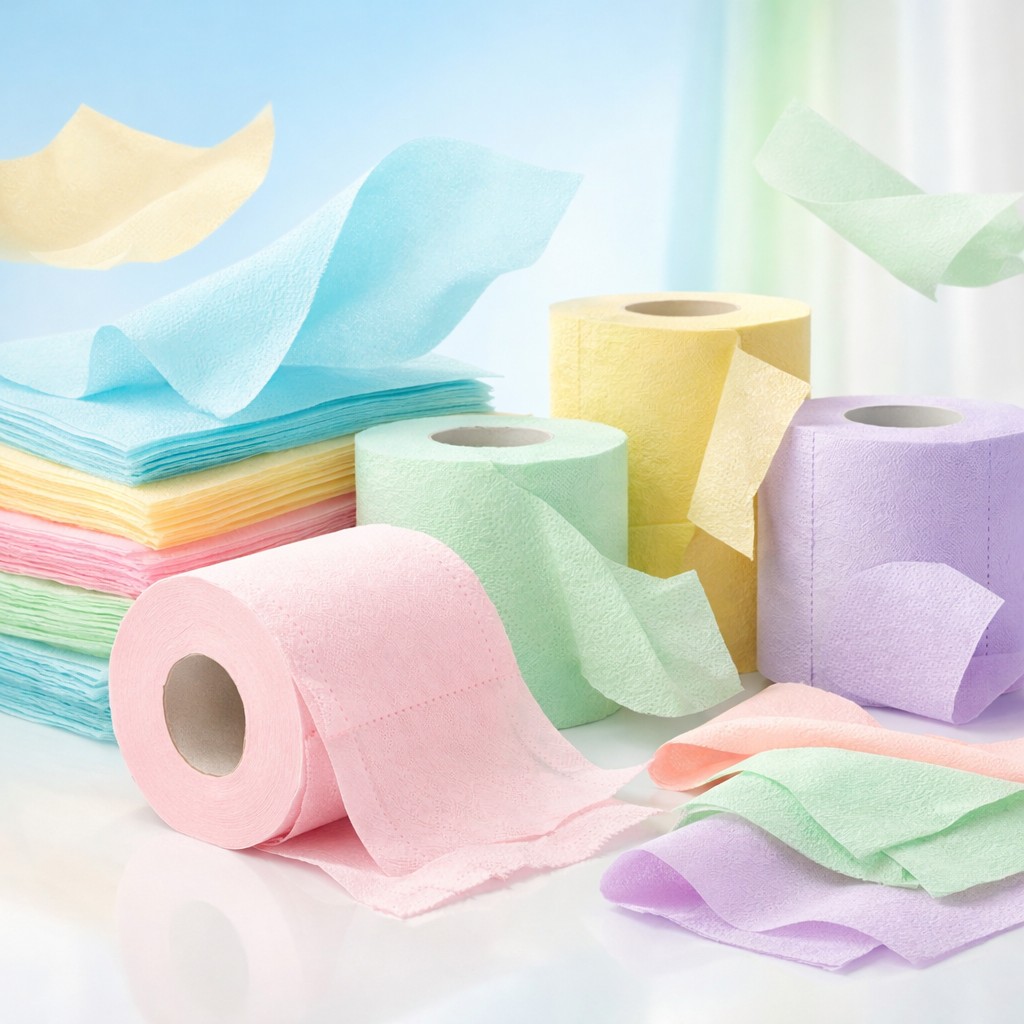
Tissue and sanitary paper

Writing and printing paper

Newsprint
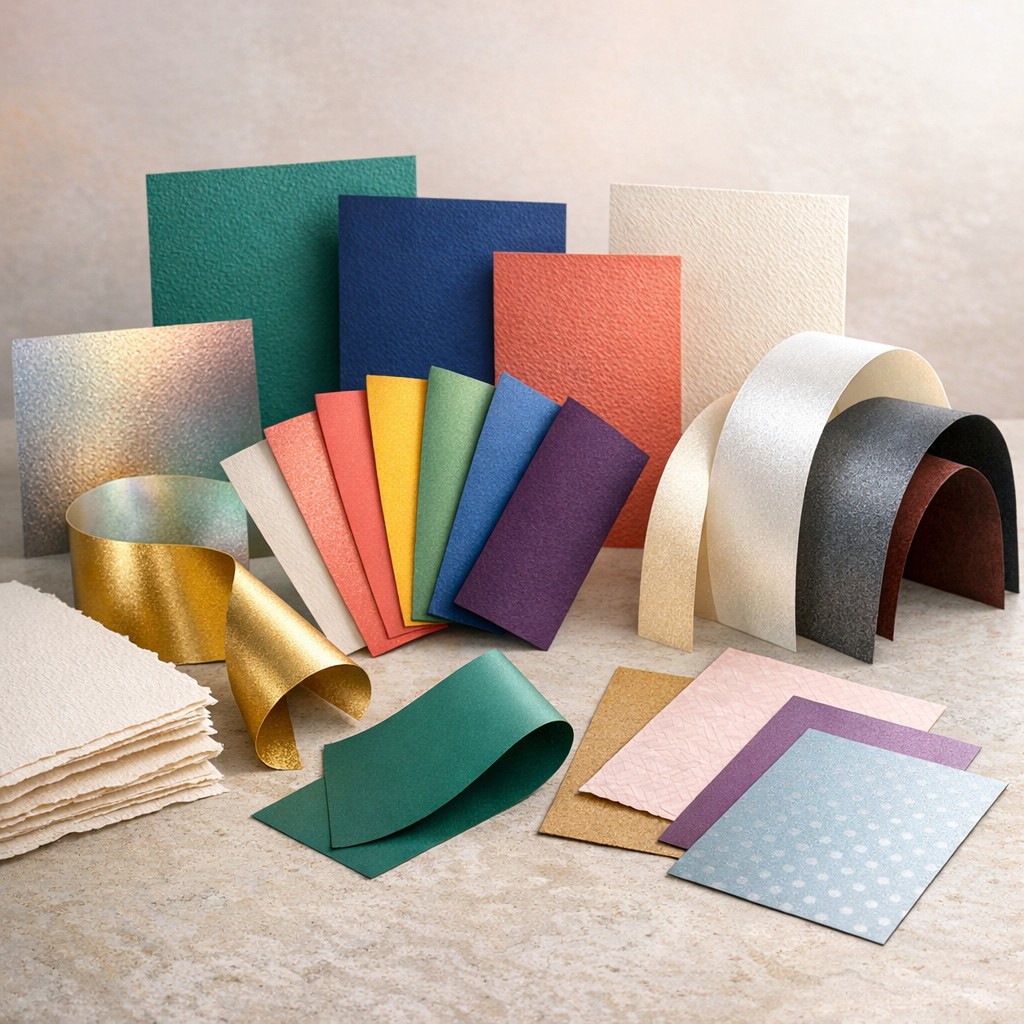
Decorative and specialty paper grades
Fast and uniform exhaustion of pulp fibers
Compatible with common paper chemicals and additives
Stable performance under normal paper processing conditions
Basic Yellow 2 Liquid
Auramine O
CI No: 41000
Applications: Tissue Paper • Speciality Papers • Writing Paper • Printing Paper
Basic Blue 26 Liquid
Victoria Blue B
CI No: 44045
Applications: Paper Manufacturing • Decorative & Specialty Papers • Pulp Dyeing • MDF
Basic Violet 1 Liquid
Methyl Violet
CI No: 42535
Applications: Pulp Dyeing • MDF • Paper Manufacturing • Decorative & Specialty Papers
Basic Violet 3 Liquid
Crystal Violet
Applications: Writing Paper • Printing Paper • Tissue Paper • Speciality Papers • Paper Coloring
Basic Violet 4 Liquid
Ethyl Violet
Applications: Writing Paper • Printing Paper • Tissue Paper • Speciality Papers
Basic Green 1 Liquid
Brilliant Green
Applications: Writing Paper • Printing Paper • Tissue Paper • Speciality Papers
Paper mills prefer basic dyes liquid because it dissolves instantly, doses accurately, and skips the powder-handling step that slows down a running machine. On a line operating around the clock, that saved step matters more than it sounds.
Mixing powder into solution on-site invites shade drift and dust. Basic dyes liquid goes straight into the pulp stream, so mills get consistent colour without a prep stage eating into run time.
Alliance Organics produces basic dyes liquid across yellows, reds, violets, blues, and greens, so paper producers can match most shade briefs without blending several products together.
Here’s what you’ll learn: how liquid form changes dosing on a production line, where it’s used in paper manufacturing, and what to check before choosing a supplier.
Liquid form improves dosing because it dissolves almost instantly, so a high-speed machine gets accurate colour the first time, not after adjustment. Powder dyes can’t match that on a fast-running line.
Dosing accuracy matters most where the machine never stops. With basic dyes liquid, there’s no floating residue and no patchy colour once the sheet dries, since the dye bonds cleanly to pulp fibres from the start.
There’s also a cleanup advantage worth noting. Liquid dyes skip powder handling entirely, which cuts down airborne dye near machinery and makes the work area safer.
What changes with liquid dosing:
Liquid dosing removes the guesswork that powder dyes bring to a high-speed line.
Basic dyes liquid is used wherever paper needs consistent colour, from tissue grades to speciality paper. It covers most categories where shade is part of the product spec.
Common applications:
A few shades go further than paper. Basic Violet 1, Basic Blue 26, and Basic Violet 10 also work in MDF colouring and general pulp dyeing, which shows how stable this chemistry is once it’s built for liquid use.
Basic dyes liquid covers standard paper grades and stretches into MDF and pulp colouring too.
Buyers should check tinctorial strength, solubility, and batch-to-batch exhaustion data before committing to a supplier. Typical values on a spec sheet aren’t the same as tested results.
A mill running continuous production can’t treat dye performance as a variable. The difference between a supplier worth reordering from and one that causes downtime usually comes down to a few measurable factors.
What to look for:
Alliance Organics tests each batch against these benchmarks before shipping, which is the only real way to guarantee order four matches order one.
Batch-tested data, not a general spec sheet, is what protects shade consistency long-term.
Paper mills prefer basic dyes liquid because it dissolves instantly, doses accurately, and removes the shade drift that powder handling often causes on a running machine.
Key takeaways:
Running a continuous production line? Ask Alliance Organics for batch test data on tinctorial strength and solubility before your next order.
Liquid dyes dissolve faster, dose more precisely on high-speed machines, and avoid the dust and mixing inconsistency that comes with powder handling.
Tissue and sanitary paper, writing and printing paper, newsprint, and decorative or speciality grades all use basic dyes liquid regularly.
Yes. Shades including Basic Violet 1 and Basic Blue 26 also work in MDF colouring and general pulp dyeing applications.
Through batch-level testing for tinctorial strength, solubility, and exhaustion performance before shipping, rather than relying on a general product spec sheet.
A broad range covering yellows, oranges, reds, violets, blues, browns, and greens, enough for most standard paper colouring needs without blending separate products.