


Blended colours are carefully crafted combinations of food colourants, each designed to deliver perfect shades and dependable performance in food and beverage applications. By combining various colour components, manufacturers can create vibrant, stable, and application-specific colours, perfectly tailored to the visual demands of different products.
These colour blends find widespread use across industries where accurate shade matching and colour stability are critical for product attractiveness and brand consistency.
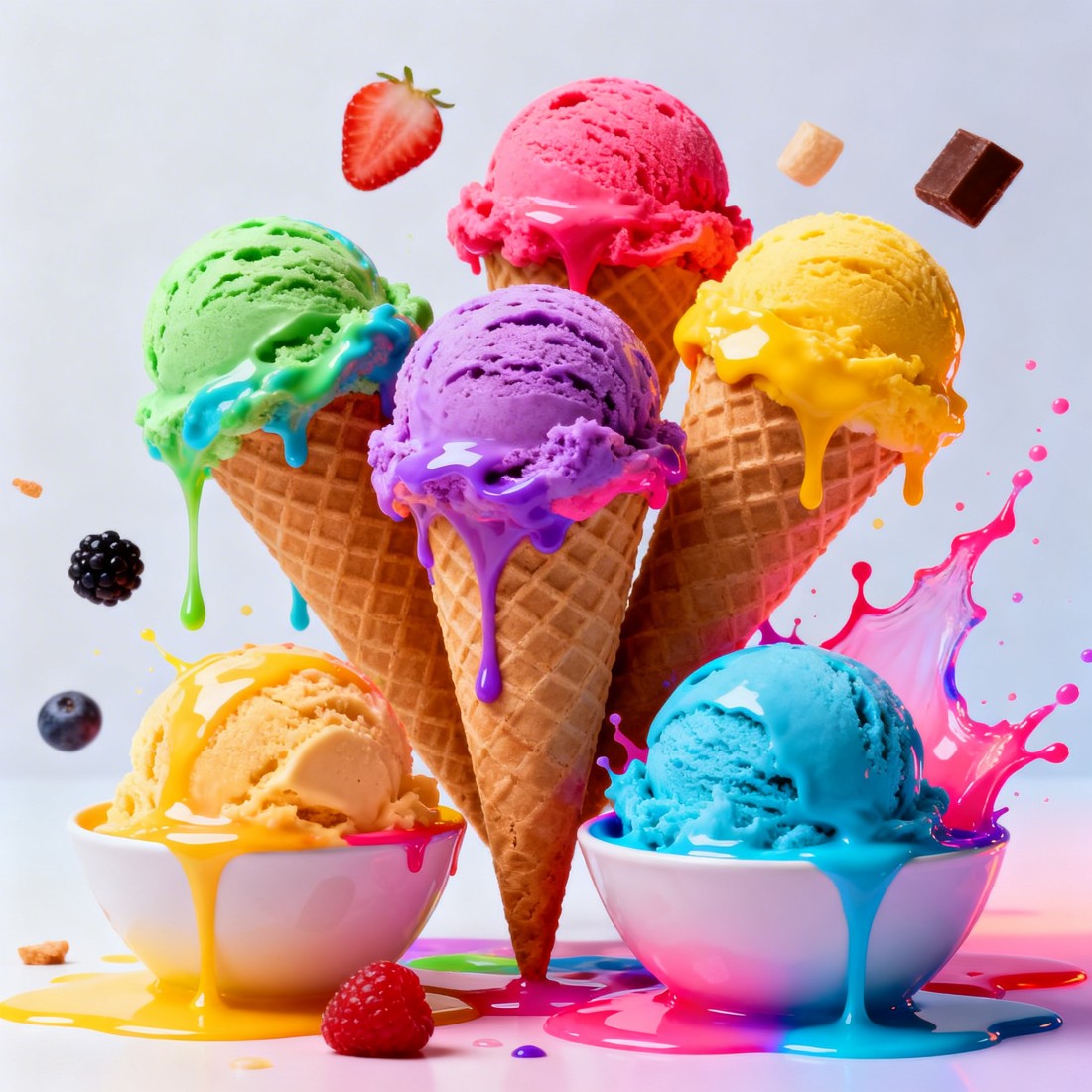
Blended colours are meticulously formulated mixtures of two or more colour ingredients, resulting in a specific shade that would be difficult to achieve with a single colour alone.
Blended colours help manufacturers reduce formulation complexity while ensuring consistent product appearance.
Custom Shade Development – Tailored colour blends to match specific product requirements.
Application Versatility – Suitable for a wide range of food and beverage products.
Allocol™ Egg Yellow
Egg Yellow
CI No: Mixture
Applications: Food • Pharmaceuticals • Beverages
Allocol™ Yolk Yellow
Yolk Yellow
CI No: Mixture
Applications: Dairy Products • Nutraceuticals • Bakery & Confectionery • Savory Foods • Beverages
Allocol™ Lemon Yellow
Lemon Yellow
CI No: Mixture
Applications: Cosmetics • Food • Pharmaceuticals • Beverages
Allocol™ Rose Pink
Rose Pink
CI No: Mixture
Applications: Beverages • Confectionery • Bakery & Desserts • Dairy Products • Processed Foods • Nutraceuticals
Allocol™ Orange Red
Orange Red
CI No: Mixture
Applications: Food • Pharmaceuticals • Beverages • Cosmetics
Allocol™ Cherry Red
Cherry Red
CI No: Mixture
Applications: Food • Pharmaceuticals • Beverages
Allocol™ Raspberry Red
Raspberry Red
CI No: Mixture
Applications: Food • Pharmaceuticals • Beverages
Allocol™ Strawberry Red
Strawberry Red
CI No: Mixture
Applications: Food • Pharmaceuticals • Beverages
Allocol™ Tomato Red
Tomato Red
CI No: Mixture
Applications: Food • Pharmaceuticals • Beverages
Allocol™ Lime Green
Lime Green
CI No: Mixture
Applications: Beverages • Confectionery • Bakery & Desserts • Dairy Products • Processed Foods • Nutraceuticals
Allocol™ Apple Green
Apple Green
CI No: Mixture
Applications: Beverages • Confectionery • Bakery & Desserts • Dairy Products • Processed Foods • Nutraceuticals
Allocol™ Pea Green
Pea Green
CI No: Mixture
Applications: Dairy Products • Processed Foods • Savory & Culinary Products • Beverages • Confectionery • Bakery & Desserts
Allocol™ Grape
Grape
CI No: Mixture
Applications: Beverages • Confectionery • Bakery & Desserts • Dairy Products • Processed Foods • Nutraceuticals
Allocol™ Violet
Violet
CI No: Mixture
Applications: Cosmetics • Food • Pharmaceuticals • Beverages
Allocol™ Coffee Brown
Coffee Brown
CI No: Mixture
Applications: Bakery & Confectionery • Desserts & Mixes • Beverages • Dairy Products • Processed Foods • Nutraceuticals
Allocol™ Chocolate Brown
Chocolate Brown
CI No: Mixture
Applications: Processed Foods • Nutraceuticals • Bakery & Confectionery • Chocolate Products • Beverages • Dairy Products
Allocol™ Dark Chocolate
Dark Chocolate
CI No: Mixture
Applications: Dairy Products • Processed Foods • Nutraceuticals • Bakery & Confectionery • Chocolate & Cocoa Products • Beverages
Allocol™ Black Currant
Black Currant
CI No: Mixture
Applications: Confectionery • Bakery & Desserts • Dairy Products • Processed Foods • Nutraceuticals • Beverages
Synthetic blended food colours are custom mixes of two or more colourants, put together to hit a shade – strawberry red, coffee brown – that a single dye almost never nails on its own. Anyone who’s tried matching a “cherry red” drink with just one straight dye knows the problem: it ends up too orange, or too pink, or just off somehow. Blending is how you fix that.
Alliance Organics LLP makes these under its Allocol Blended range, aimed at food and beverage manufacturers who need the same shade every single run, not a fresh guess each time production starts. The reasoning is pretty simple. Some shades don’t exist as one dye. Blending is the only way to get there and keep getting there.
This page walks through what blended colours actually are, why manufacturers pick them over single dyes, how the colour stays consistent from batch to batch, and where they show up most.
They’re carefully worked-out combinations of multiple colour ingredients, built to land on a specific shade that a single dye can’t reach – or can’t reach reliably. That’s really the whole point of the category. Push the complexity into the mix so the end user doesn’t have to deal with it.
Rather than a manufacturer sourcing three or four dyes and trying to figure out the right ratio in-house every time, Allocol Blended Colours show up already formulated to a fixed shade. That cuts out a lot of the guesswork, and it keeps colour steady across runs – which matters more than people assume. A candy or soft drink that looks a shade off from batch to batch chips away at how much a customer trusts the brand, and it happens faster than you’d think.
Bottom line: blended colours exist because certain shades genuinely need more than one dye to look right, and having that mix pre-built saves manufacturers from redoing the work every time.
Two reasons, mostly: it’s simpler to formulate with, and the product looks the same every time. Both of those matter a lot more once you’re producing at real volume.
Try recreating something like raspberry red or grape purple by mixing raw dyes in-house, and you’ll run into variability almost immediately – small differences in measurement between batches show up as visibly different colour. A pre-blended colourant sidesteps that risk completely, because the ratio’s already locked in and tested well before it reaches the line.
What you gain from pre-blended colours:
Bottom line: you’re trading a bit of formulation flexibility for a real gain in consistency and speed – and for most manufacturers, that trade is worth making.
It comes down to a fixed ratio and repeated testing on every run – not someone eyeballing whether the colour looks close enough. Once a blend gets approved, that ratio is the standard every future batch gets measured against.
Every production run is checked against the approved reference shade before it ships out, which catches any drift early instead of after a client notices a mismatched batch. This matters more with blended colours than single dyes. Even a small shift in the ratio between components can visibly change the final tone in a way a single-dye product just doesn’t have to worry about.
What keeps a blended shade consistent, run after run:
Because blended colours are recorded as a mixture rather than tied to one Colour Index number, this kind of testing discipline is basically what stands in for a single verifiable spec. It’s the process that keeps the shade honest, not a number on a data sheet.
Bottom line: how reliable a blended colour is has less to do with the ingredients themselves and more to do with how tightly the process controls the ratio between them.
Wherever a product’s colour needs to say something specific – a flavour, an ingredient, sometimes just a mood – rather than being generically red or yellow. Beverages, confectionery, bakery goods, and dairy are where you’ll see the heaviest use.
Common applications:
Beverages that need a fruit-accurate shade – strawberry, raspberry, grape
Confectionery and bakery products, where how it looks drives whether someone buys it
Dairy products that need a consistent, appetising tone
Nutraceuticals and processed foods, where colour signals flavour or ingredient identity
Cosmetics and pharmaceuticals, for a handful of shades like Violet and Lemon Yellow
Bottom line: blended colours earn their place anywhere colour has to do more than just look bright. It needs to communicate something specific about the product.
Synthetic blended food colours solve a shade-matching problem single dyes just can’t: getting precise, repeatable fruit, dairy, and confectionery tones without manufacturers having to build the mix themselves every time.
Key takeaways:
For technical data sheets or custom shade-matching support, reach out to Alliance Organics directly.
Blended food colours combine two or more dyes in a fixed, pre-tested ratio to hit shades a single dye can’t produce accurately. Single-dye colours just use one colourant, which works fine for simpler, more basic shades.
Yes. Blended colours are built from synthetic dyes already approved for food, pharmaceutical, and cosmetic use, combined in controlled ratios and tested for consistency and compliance before they go anywhere.
Yes – custom shade development is actually one of the core things Allocol Blended Colours offers, so manufacturers can request a blend tailored to their exact product rather than picking from a fixed list.
Because they’re mixtures of multiple dyes rather than one identifiable compound, so they get documented as “Mixture” instead of a single Colour Index number. That’s just a reflection of what they actually are.
Mostly beverages, confectionery, bakery items, and dairy products, since these fruit-accurate shades help signal flavour and make a product look appealing on shelf.
Yes. Using a pre-formulated blend means you skip sourcing, measuring, and mixing several dyes in-house, which saves formulation time and cuts the risk of colour drifting between batches.
Yes – a handful of shades, like Violet and Lemon Yellow, also turn up in cosmetics and pharmaceuticals, so the use case stretches beyond food into other regulated industries too.