

Alliance Organics provides basic liquid dyes for the paper and pulp industry.
These dyes deliver bright shades, strong color, and consistent results for fast paper production.
Our liquid formulations ensure easy handling, rapid solubility, and uniform color, helping paper manufacturers achieve superior visual appeal while improving process efficiency.
They dissolve rapidly and bond well to pulp, resulting in even color and brilliance.
Liquid form avoids powder-related issues and enables precise dosing on high-speed machines.

High tinctorial strength with bright, clear shades
Ready-to-use liquid form for easy handling
Excellent solubility and dispersion in pulp
Uniform coloration across the paper surface
Consistent performance and shade reproducibility
Cost-effective coloring solution
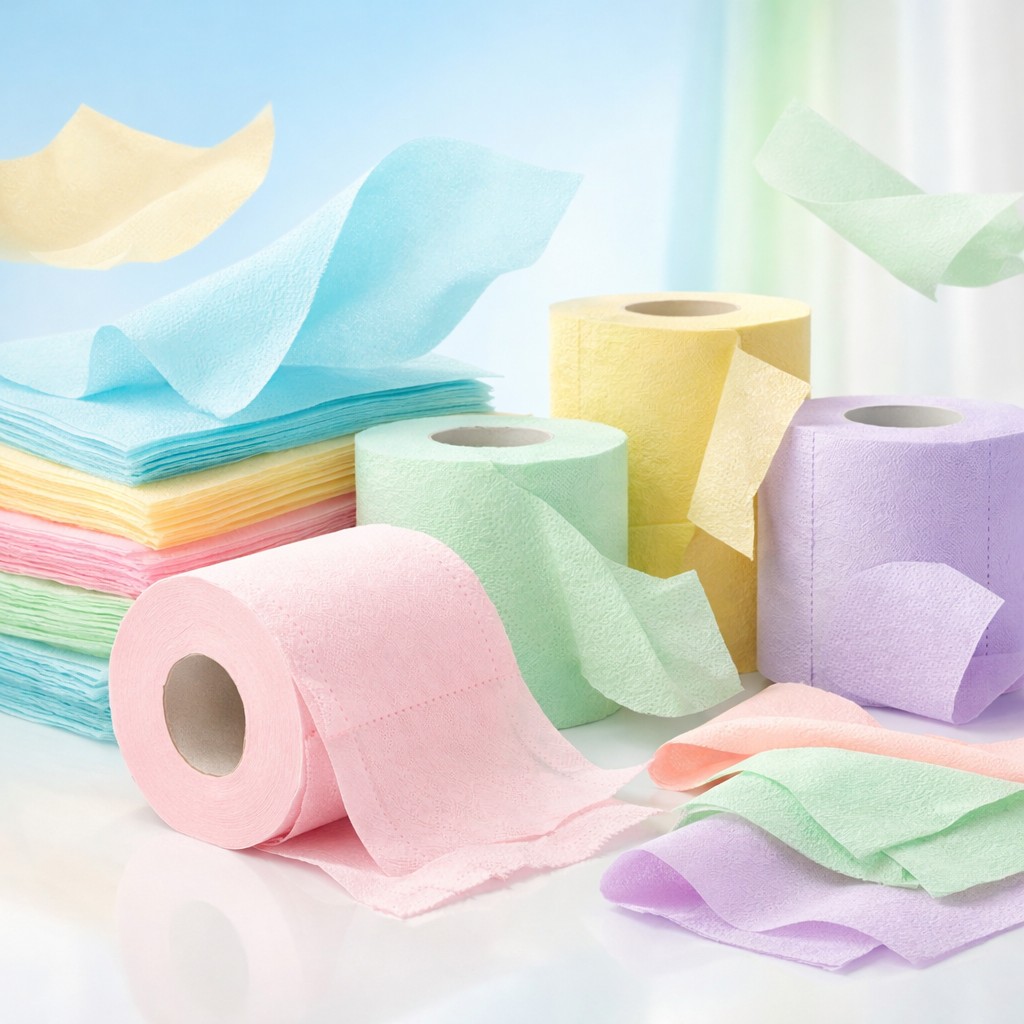
Tissue and sanitary paper

Writing and printing paper

Newsprint
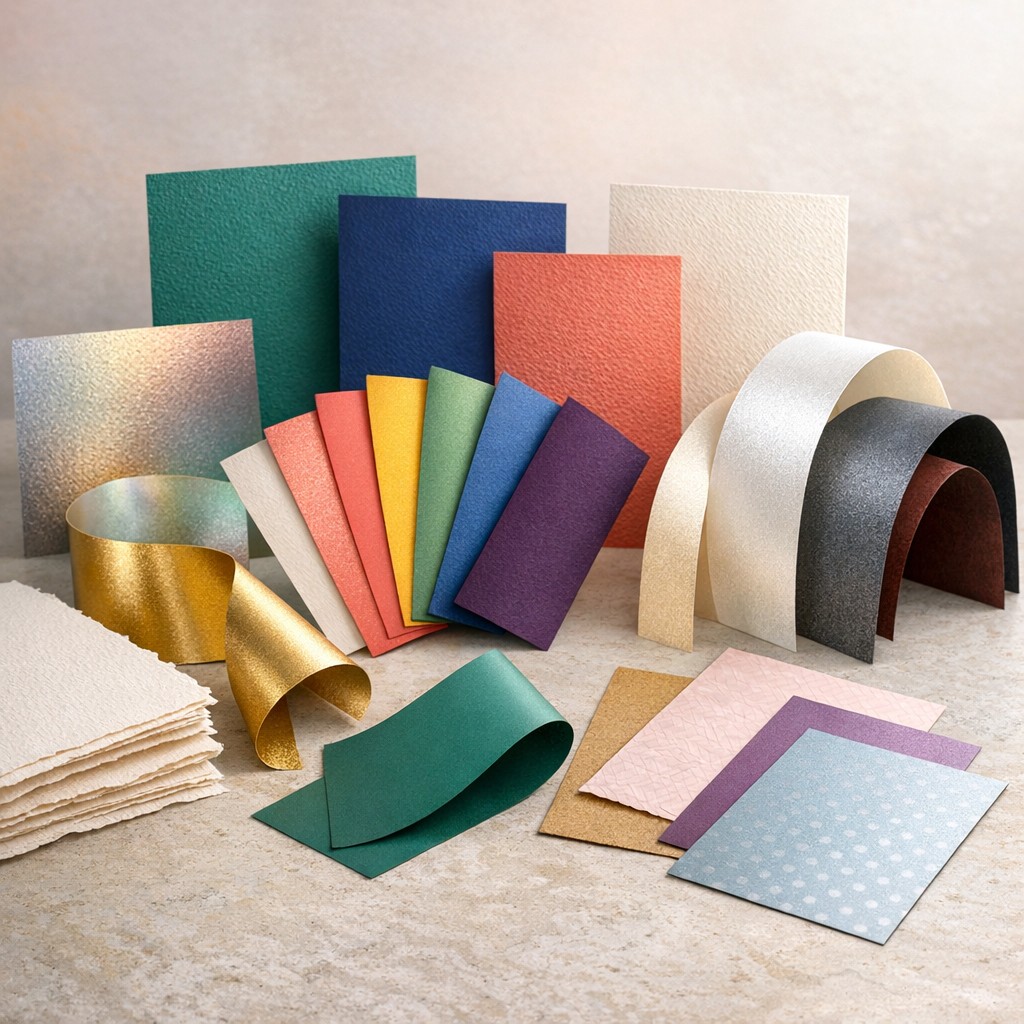
Decorative and specialty paper grades
Fast and uniform exhaustion of pulp fibers
Compatible with common paper chemicals and additives
Stable performance under normal paper processing conditions
Basic Yellow 2 Liquid
Auramine O
CI No: 41000
Applications: Tissue Paper • Speciality Papers • Writing Paper • Printing Paper
Basic Blue 26 Liquid
Victoria Blue B
CI No: 44045
Applications: Paper Manufacturing • Decorative & Specialty Papers • Pulp Dyeing • MDF
Basic Violet 1 Liquid
Methyl Violet
CI No: 42535
Applications: Pulp Dyeing • MDF • Paper Manufacturing • Decorative & Specialty Papers
Basic Violet 3 Liquid
Crystal Violet
Applications: Writing Paper • Printing Paper • Tissue Paper • Speciality Papers • Paper Coloring
Basic Violet 4 Liquid
Ethyl Violet
Applications: Writing Paper • Printing Paper • Tissue Paper • Speciality Papers
Basic Green 1 Liquid
Brilliant Green
Applications: Writing Paper • Printing Paper • Tissue Paper • Speciality Papers
Basic dyes liquid are pre-dissolved dye formulations made for paper and pulp mills that can’t afford downtime or shade mismatches mid-run. Rather than mixing powder into solution on-site, mills feed the liquid straight into the pulp stream, which cuts out a prep step and the shade inconsistency that often comes with it. On a machine running around the clock, that difference adds up fast.
Alliance Organics manufactures basic dyes liquid across a wide colour range, from yellows and reds through to violets, blues, and greens, so paper producers can match almost any shade brief without blending multiple products.
Powder dyes work fine in theory, but on a high-speed paper machine, dosing accuracy is everything. Liquid dyes dissolve almost instantly and bond to pulp fibres cleanly, so there’s no floating residue or patchy colour once the sheet dries. Because dosing is precise, operators aren’t stuck compensating for inconsistent uptake mid-run – the colour lands where it should the first time.
There’s also a housekeeping benefit that doesn’t get talked about enough: liquid dyes skip the dust problem entirely. No powder handling means less airborne dye near machinery, which matters for both safety and cleanup.
Basic liquid dyes show up across most paper categories where colour is part of the spec:
Beyond straight paper colouring, several of these dyes – Basic Violet 1, Basic Blue 26, Basic Violet 10, among them – also see use in MDF colouring and general pulp dyeing, which says something about how stable and versatile the chemistry is once it’s optimised for liquid form.
Not every liquid dye batch performs the same way once it hits a real production line. A few things separate the dyes worth reordering from the ones that cause headaches:
Alliance Organics tests each batch against these benchmarks before it ships, which is really the only way to guarantee a mill gets the same shade on order four as they got on order one.
For a mill running continuous production, dye performance can’t be a variable. What buyers should actually check before committing to a supplier:
Alliance Organics builds its basic dyes liquid range around exactly this – a supplier a paper mill can standardise around long-term, without worrying about shade drift from order to order.
Liquid dyes dissolve faster, dose more precisely on high-speed machines, and avoid the dust and mixing inconsistency that comes with powder.
Tissue and sanitary paper, writing and printing paper, newsprint, and decorative or speciality paper grades all use basic liquid dyes regularly.
Yes – several shades, including Basic Violet 1 and Basic Blue 26, are also used in MDF colouring and general pulp dyeing applications.
Through batch-level testing for tinctorial strength, solubility, and exhaustion performance before the product ships, rather than relying on a general product spec sheet.
A broad range – yellows, oranges, reds, violets, blues, browns, and greens – enough to cover most standard paper colouring requirements without blending separate products.