



Alliance Organics offers premium-quality Ultramarine Blue Pigment, a synthetic inorganic pigment known for its bright, clean blue tone and good durability. Widely used across plastics, coatings, rubber, inks, and construction materials, this pigment has a consistent shade, high tinting strength, and good performance under demanding processing conditions.
Ultramarine Blue is valued for its strong colour development, good heat stability, and resistance to light and weather exposure, making it suitable for both indoor and outdoor applications.
Ultramarine Blue is an alkali-resistant inorganic pigment designed to give vibrant blue colouration with high opacity and excellent dispersion. Its stable chemical structure delivers consistent colour output and long-lasting performance across various industrial formulations.
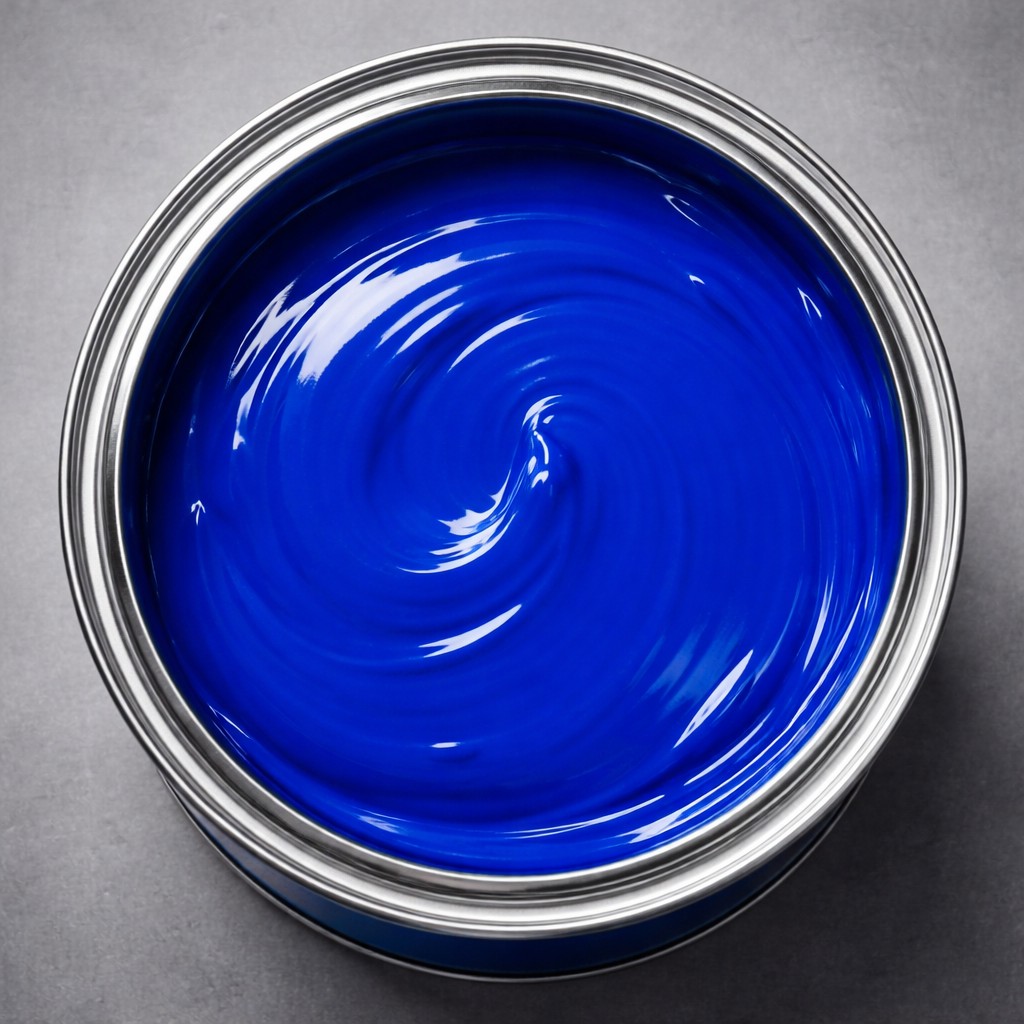
Pigment Blue 29
Ultramarine Blue PG
CI Number: 77007
Applications: Industrial & Decorative Paints • Plastics & Masterbatches • Rubber Products • PVC & Leather Cloth • Linoleum
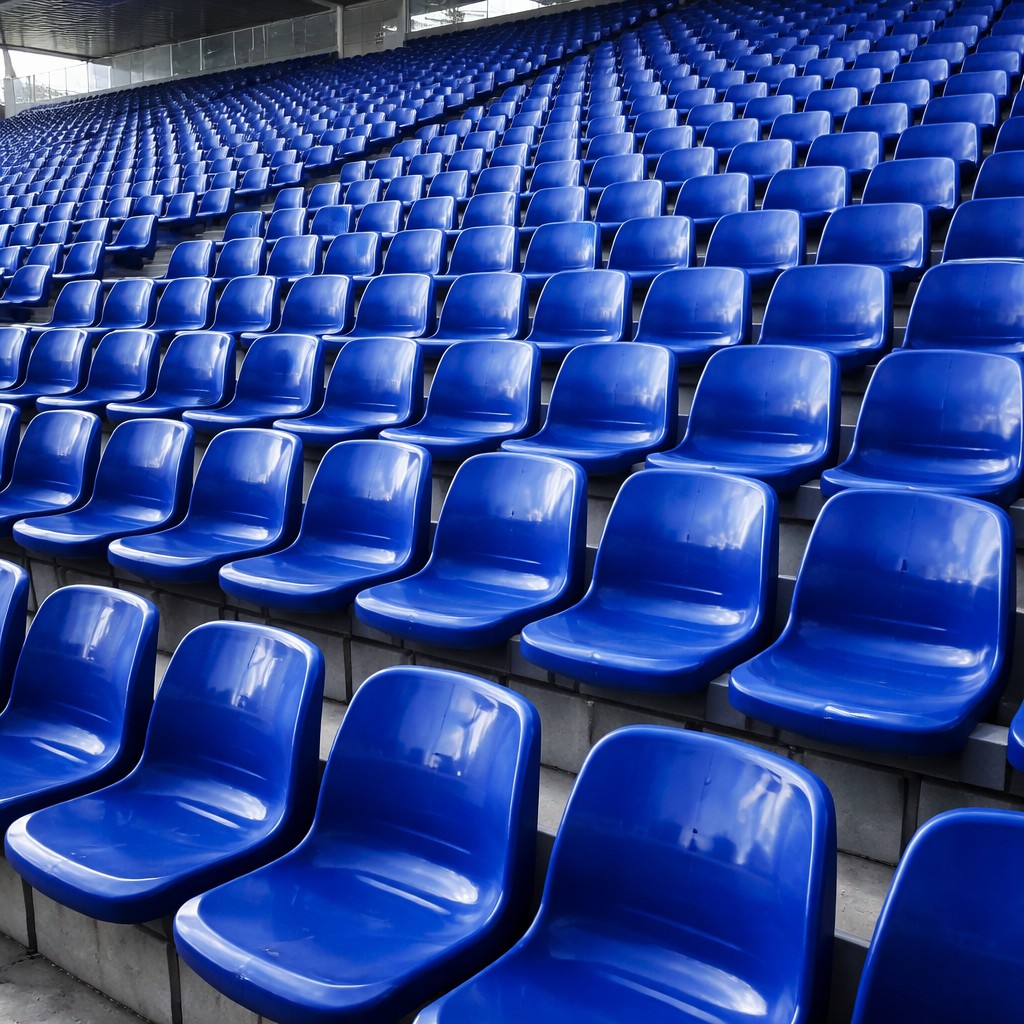
Pigment Blue 29
Ultramarine Blue PR
CI Number: 77007
Applications: Paints • Plastics • PVC & Leather Cloth • Linoleum • Rubber • Leather Pastes

Pigment Red 259
Ultramarine Pink
Applications: Plastics • Artist’s Colours • Food Contact Packaging • Paints • Inks • Soaps
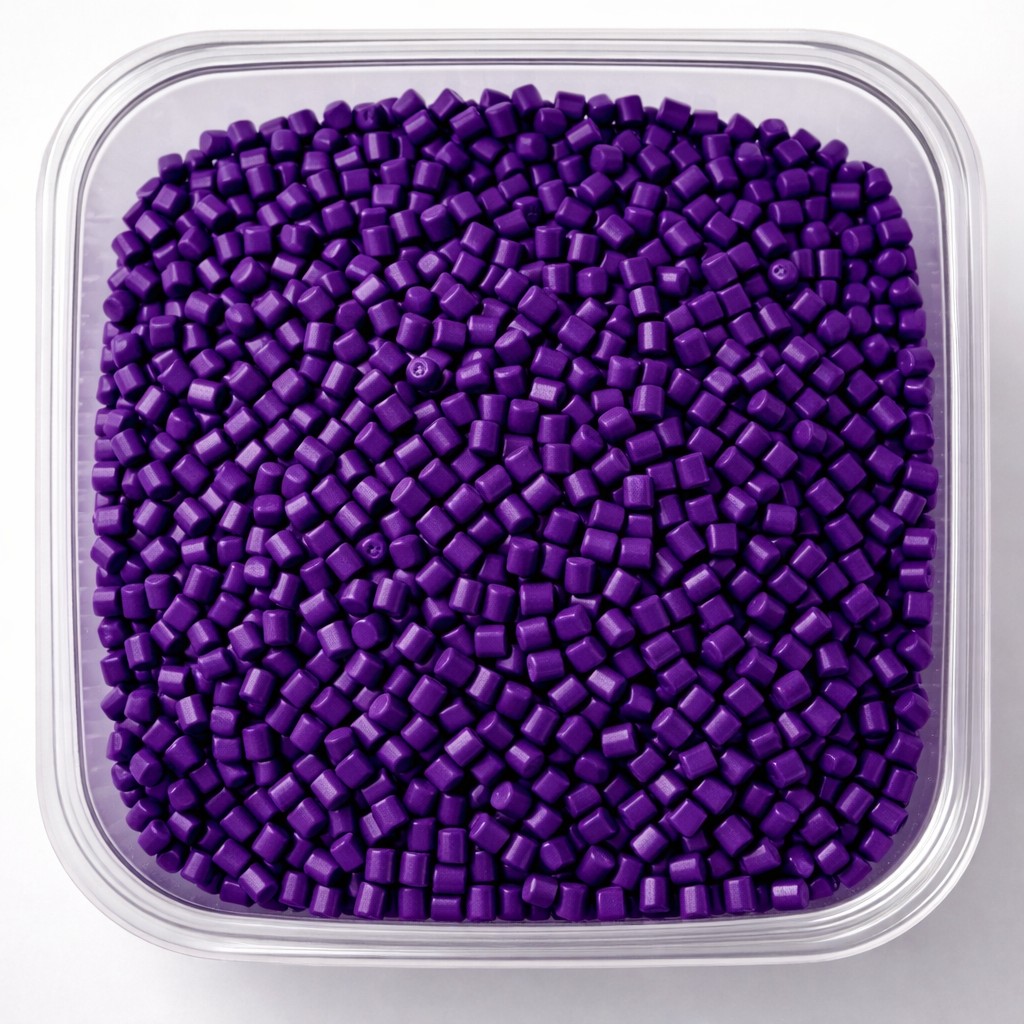
Pigment Violet 15
Ultramarine Violet
Applications: Paints • Inks • Soaps • Plastics • Artist’s Colours • Food Contact Packaging
If you’ve ever wondered why some blue coatings or plastics keep their color for years while others fade or dull within months, a lot of it comes down to the pigment behind them. Ultramarine Blue is a synthetic inorganic pigment known for a clean, vivid blue with a slight reddish warmth to it, and it’s become a go-to across plastics, coatings, rubber, inks, and construction materials for exactly that reason – it doesn’t give up its shade easily. Alliance Organics manufactures a premium grade of it built to hold up through real processing conditions, not just look good in a swatch.
The color comes from a fairly unusual structure: an aluminosilicate framework with sulfur locked inside, which is what gives Ultramarine Blue that brighter, slightly reddish cast instead of the cooler, greener blue you’d get from some alternatives. That’s not just a cosmetic detail – it’s tied directly to how well the pigment performs once it’s actually in use.
In practice, formulators lean on it for a few reasons at once. It develops color strongly and consistently, it holds up under the heat of processing, and it doesn’t fade much when exposed to sunlight or weather over time. It’s also alkali-resistant, which turns out to matter a great deal in construction materials – cement and concrete are harsh, high-alkaline environments, and a weaker pigment would simply wash out or discolor as the material cures. On top of that, it disperses evenly and offers good opacity, so you’re not fighting streaks or clumping to get consistent coverage.
A few things set it apart in day-to-day use. Batch-to-batch consistency is one – nobody wants to reformulate because a new drum of pigment came in a shade off from the last one, and Ultramarine Blue’s stable chemistry keeps that from happening. Heat stability is another: plastics and rubber processing both run hot, and a pigment that shifts color under temperature turns into wasted material fast. Then there’s the light and weather resistance, which matters most for anything going outdoors, and the alkali resistance that makes it a natural fit for cement and concrete work where most other pigments would struggle. Add in strong opacity and dispersion, and you end up needing less pigment to get full, even coverage – which helps keep costs predictable too.
We make Ultramarine Blue ourselves rather than buying it in and repackaging it, which is really the only way to guarantee that shade, particle size, and tinting strength stay steady from one order to the next. Every batch gets tested against our reference standards before it ships – colour strength, dispersion, the works – so what you approved is what actually shows up, whether that’s a small trial order or a full bulk supply run.
It’s built on an aluminosilicate structure with sulfur at its core, which is what produces its distinct bright blue shade.
Yes – it holds its colour well under the elevated temperatures involved in plastics and rubber processing.
Yes, and it’s actually a strong fit there. Its alkali resistance means it won’t fade or discolour in the highly alkaline environment of cement and concrete curing.
Yes, it resists both light exposure and general weathering, so it holds up in outdoor coatings and plastics, not just indoor applications.
It is – strong tinting strength and even dispersion make it a reliable choice for both.
Because formulators are matching to a fixed shade every time. Even a slight batch-to-batch shift means rework, which is why in-house manufacturing and pre-dispatch testing make a real difference in reliable supply.