


Petroleum liquid dyes are solvent soluble colorants used to provide vibrant, stable colouration to fuels, oils, lubricants, waxes and other hydrocarbon based products. Their excellent solubility, high colour strength and uniform dispersion in petroleum and solvent systems, make them suitable for products that can be easily identified, branded, used for leak detection and industrial processing applications. Petroleum liquid dyes are applied in gasoline, aviation fuel, kerosene, mineral oils and lubricants due to their good stability and reliable performance.
Mixed easily in petroleum and solvent-based systems.
Bright and vibrant shades with high colour intensity.
Improves product identification and differentiation.
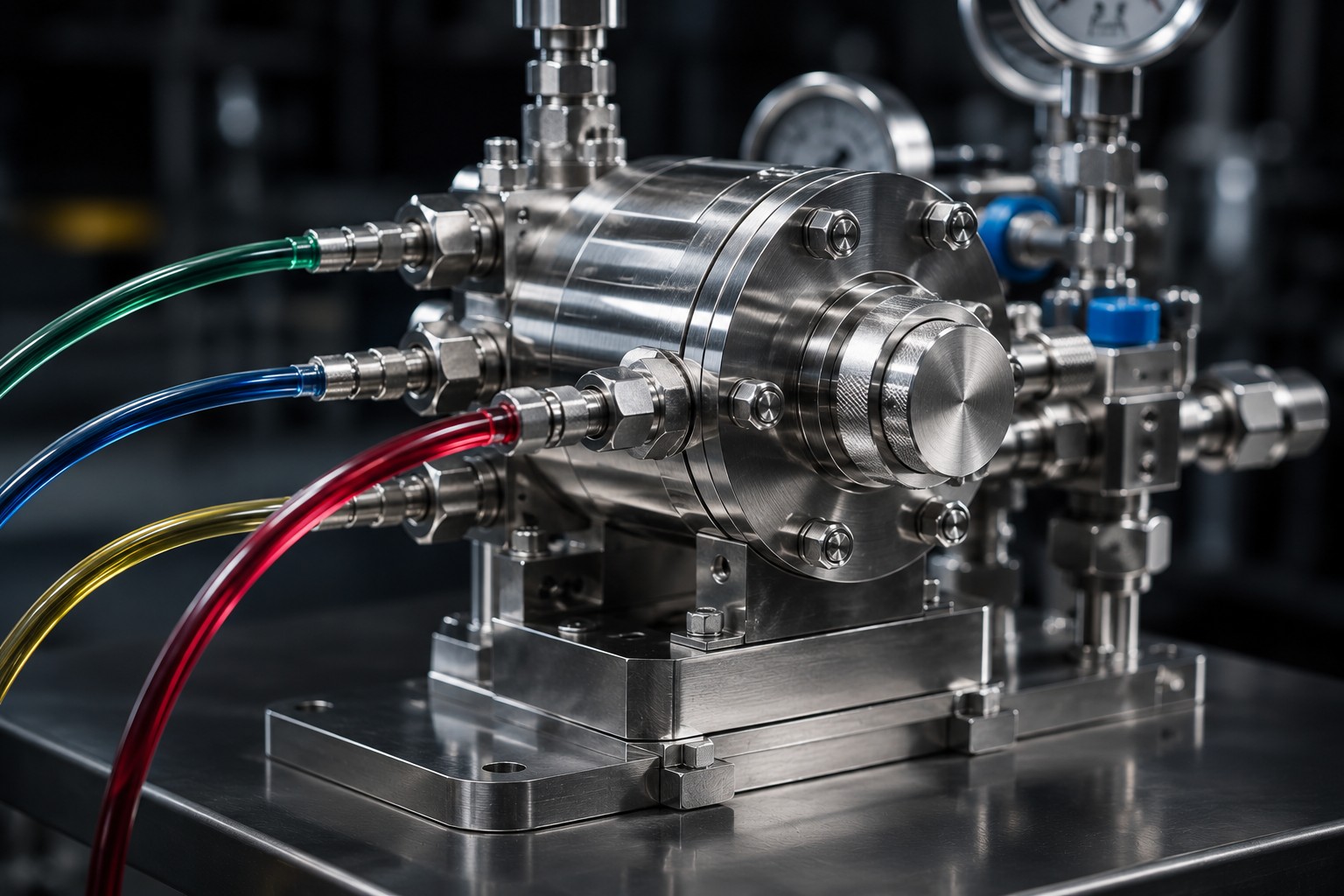
Application is done by metering pump to ensure accurate and consistent dosing.
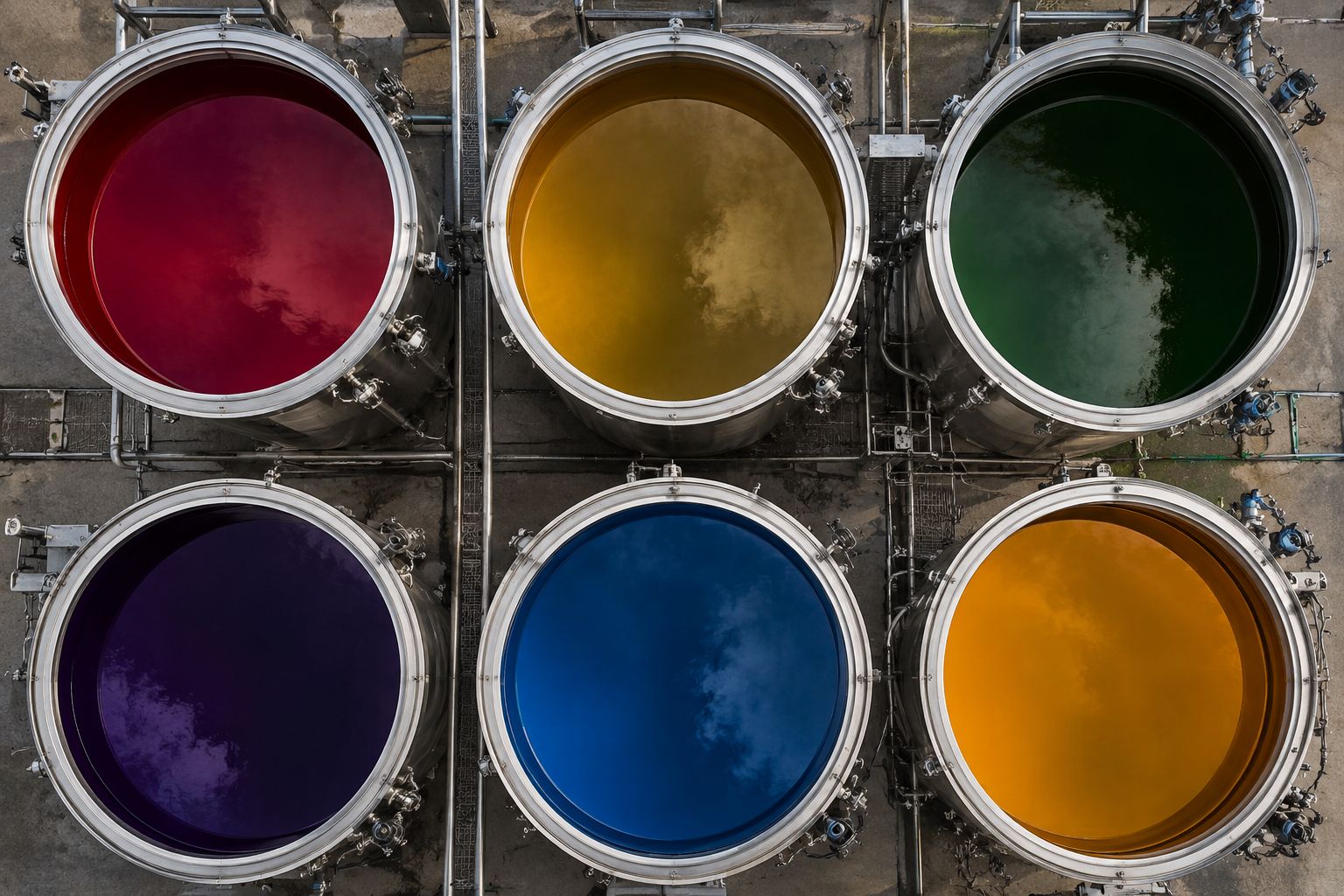
Our petroleum liquid dyes are suitable for all types of gas oil. For sensitive applications like aviation fuel, the key parameter is the insoluble content, which must be lower than 0.5%.
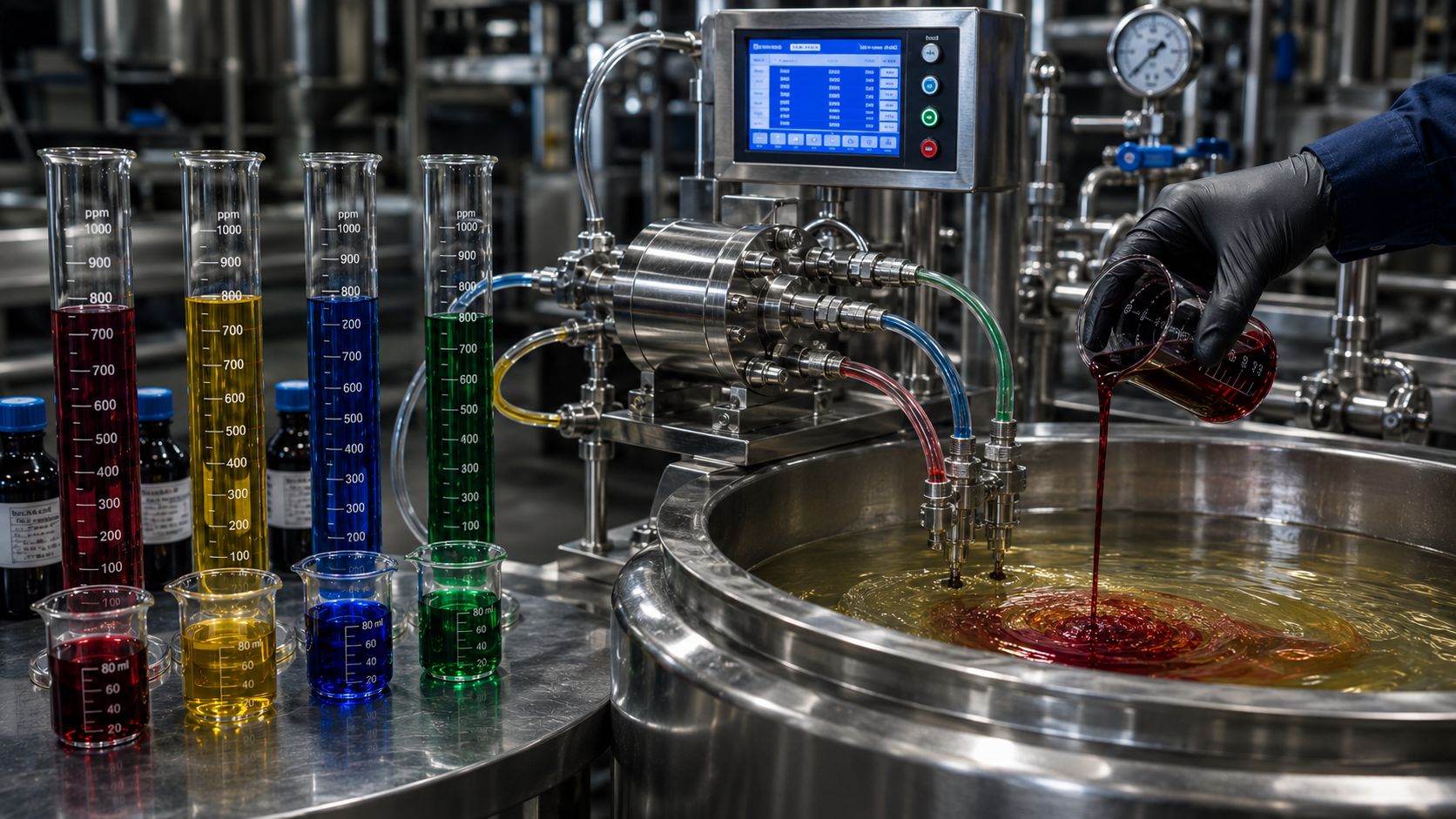
For lubricants, dosage levels are generally much higher than for gas oil. Typical dosage levels for lubricants are in the range of 150 to 200 ppm whereas for gas oil the range is between 10 ppm to 50 ppm. Please note: Actual dosages for gas oil are prescribed by the relevant government authority which also determines the specific dye or combination of dyes to be used for each fuel type.
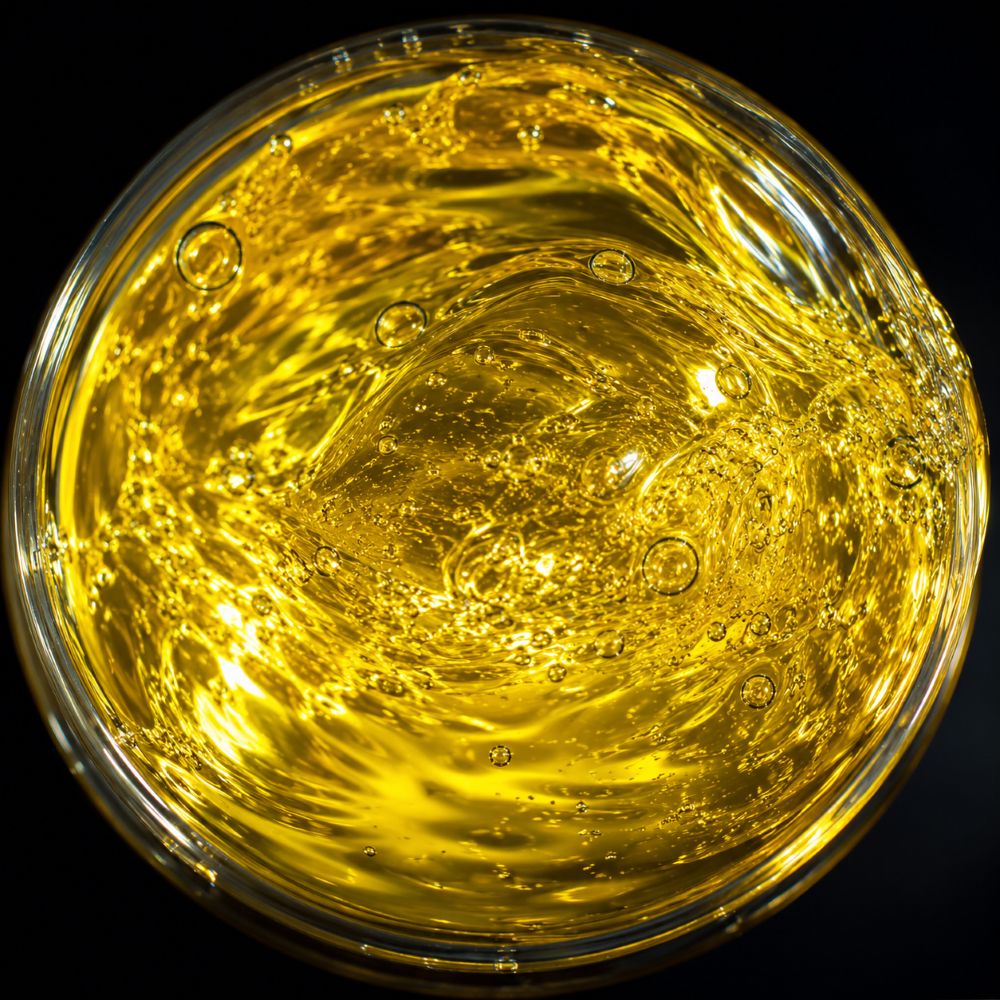
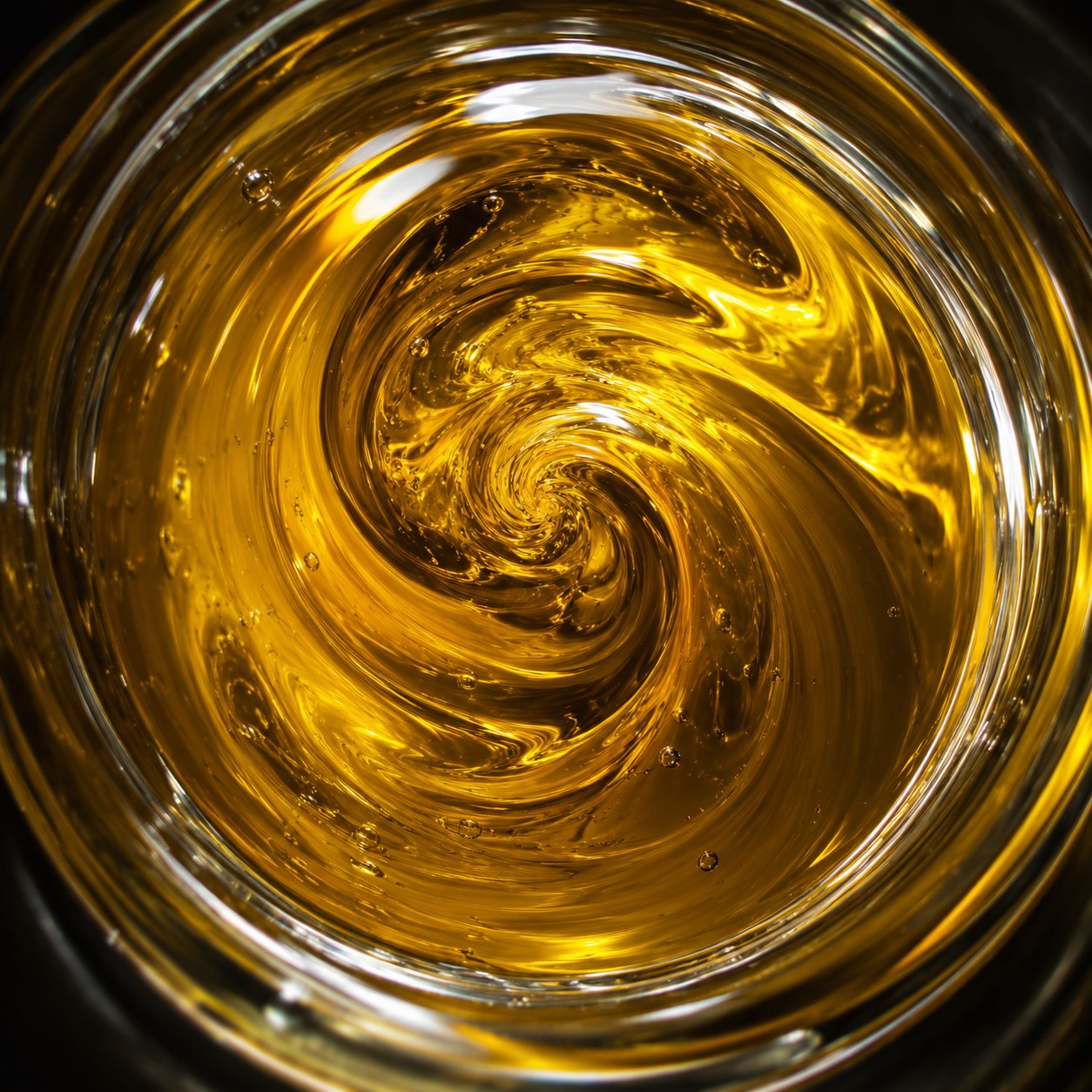
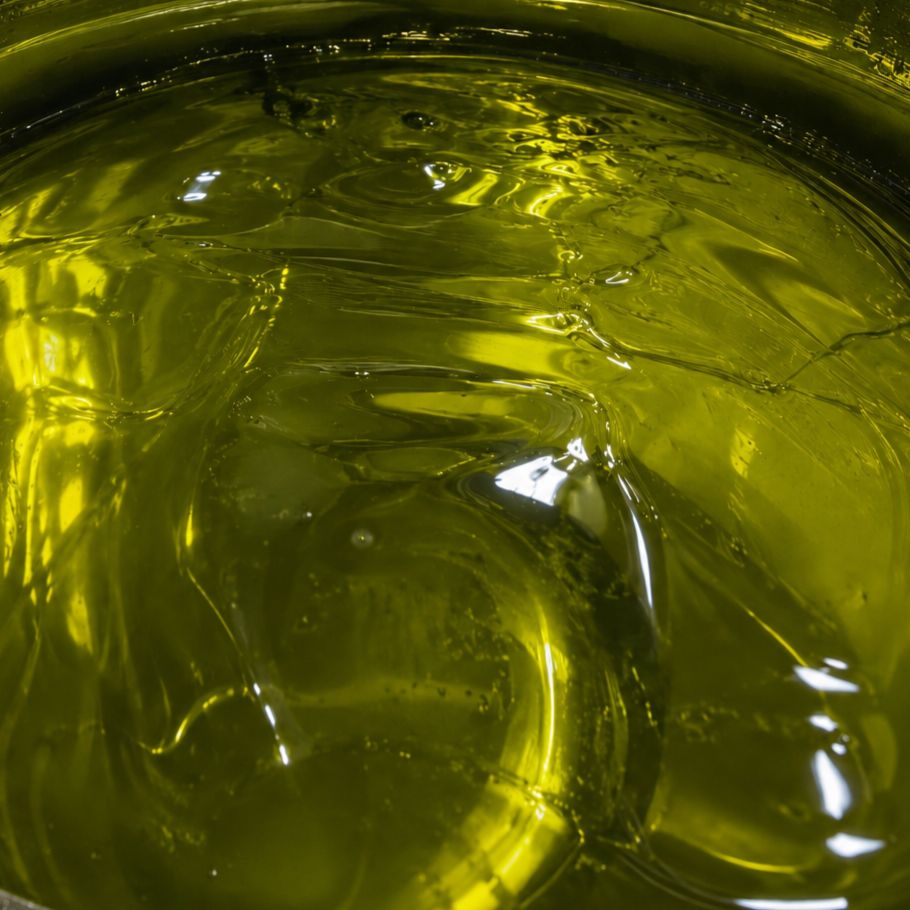
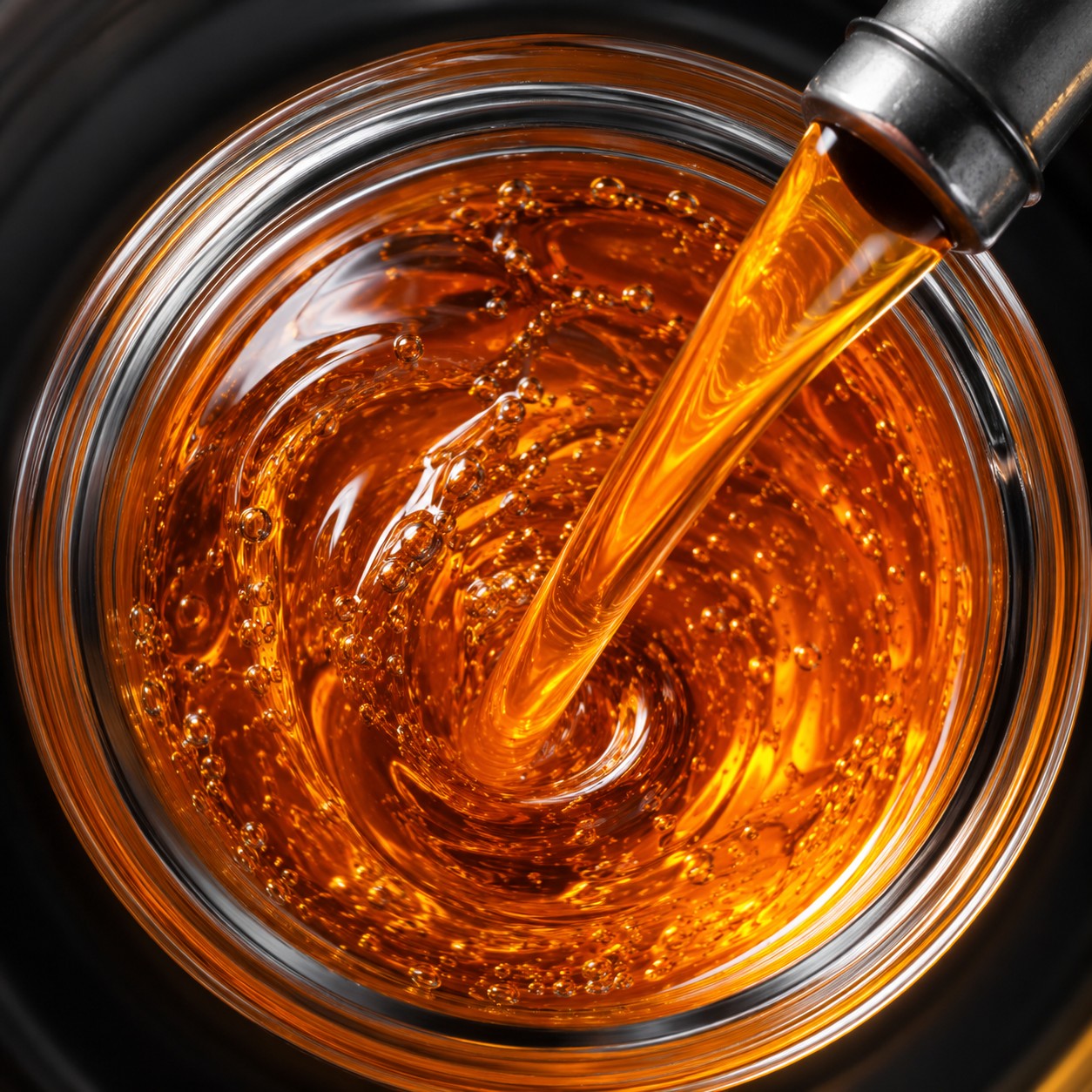
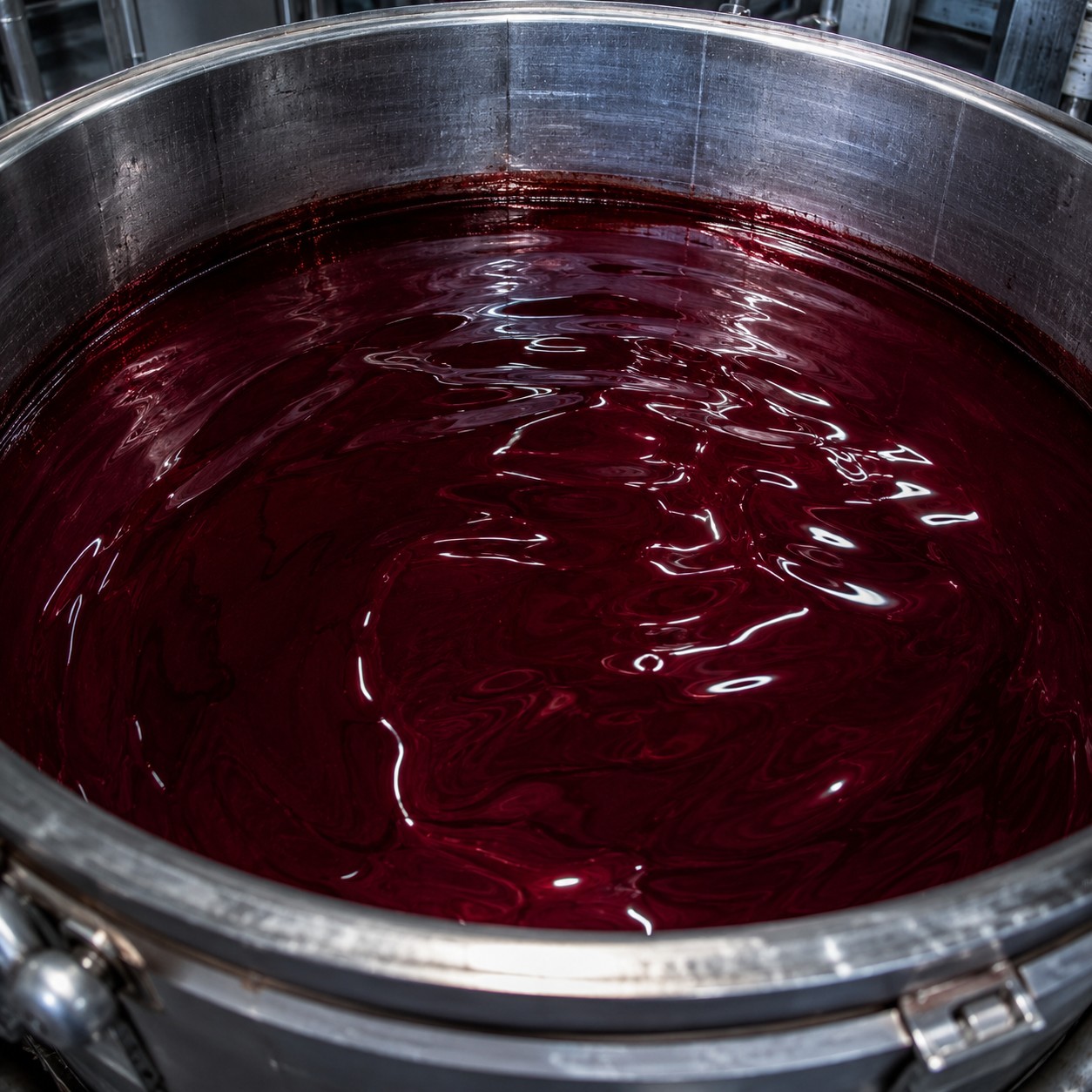
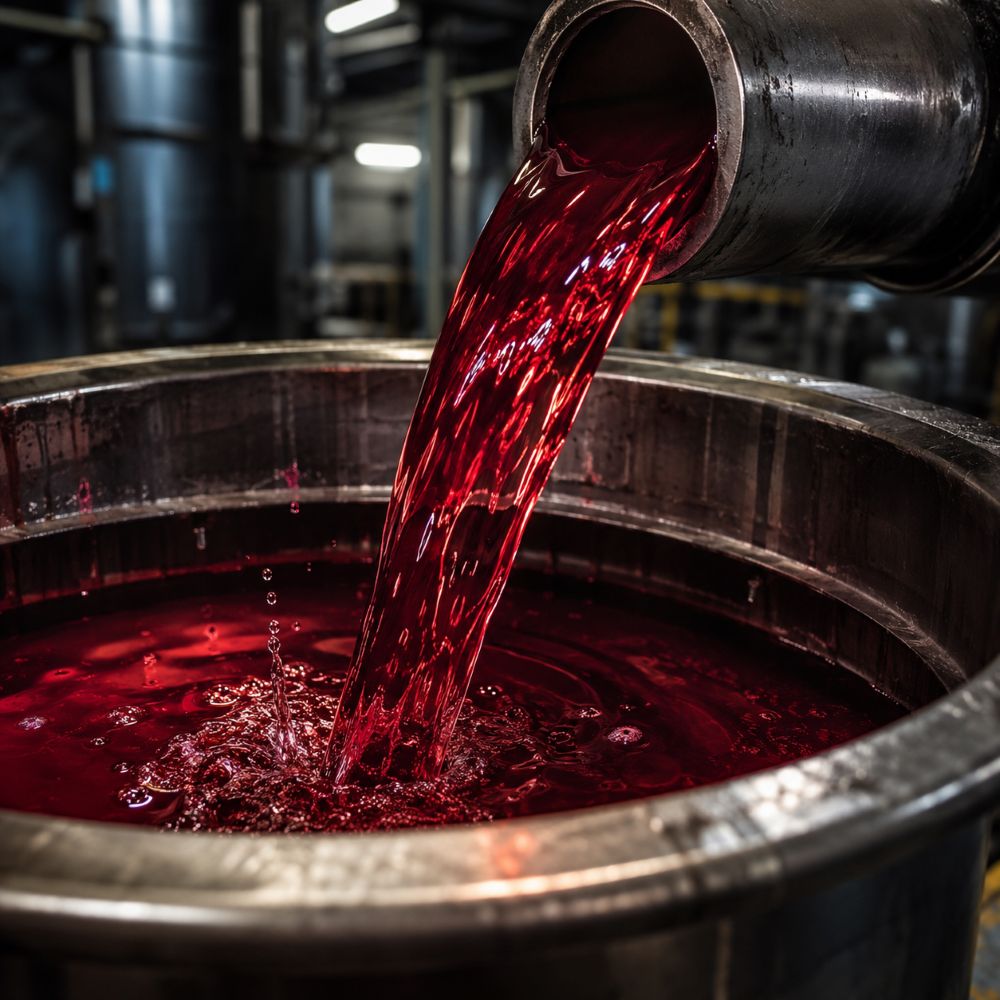

Fuel and lubricant producers use colour for more than branding – it’s how a refinery, distributor, or regulator tells one grade of product from another at a glance, and how leaks get spotted before they become a bigger problem. Petroleum liquid dyes are solvent-soluble colourants built specifically for that job, dissolving cleanly into gasoline, aviation fuel, kerosene, mineral oils, and lubricants without settling out or clouding the product. Alliance Organics manufactures this range for exactly that kind of demanding, spec-driven use.
A dye that doesn’t fully dissolve in a hydrocarbon-based product is a liability, not a colourant – undissolved particles can clog filters, distort readings, or simply fail to give the uniform colour a product spec calls for. Petroleum liquid dyes are formulated to mix completely into petroleum and solvent systems, holding their shade under storage and handling without settling or fading. That reliability is what makes them usable not just for branding, but for functional purposes like grade differentiation and leak detection across pipelines and storage systems.
Dosing isn’t uniform across product types, and getting it wrong either wastes dye or under-delivers on colour. Application typically runs through a metering pump, which keeps dosing accurate and consistent rather than left to manual estimation. Lubricants generally need a heavier dose – usually in the 150 to 200 ppm range – while gas oil runs much lighter, typically between 10 and 50 ppm. Aviation fuel is the exception that demands the most caution: insoluble content has to stay below 0.5%, since even a small amount of undissolved dye can interfere with fuel system performance in a way that’s simply not acceptable in aviation-grade product.
It’s worth noting that actual dosage levels and dye combinations for gas oil are typically set by the relevant government fuel-marking authority, not left to the supplier or buyer to decide independently.
Alliance Organics’ petroleum liquid dye range covers the shades fuel and lubricant producers actually need: Solvent Yellow 107, 124, and 126; Solvent Orange 98; Solvent Red 19E and 164; Solvent Blue 79, 79B, and 98; and Solvent Green 33. Each is suited to gasoline, aviation fuel, kerosene, and lubricant applications, giving producers a consistent shade to standardise around whether they’re marking fuel for regulatory identification or colouring a lubricant line for brand differentiation.
Petroleum dyes aren’t a category where a supplier can afford to be inconsistent – a batch with even minor solubility issues can affect fuel system performance or fail a compliance check outright. Alliance Organics has built its petroleum liquid dye range around that reality, offering a full shade spectrum from Solvent Yellow 107 through Solvent Green 33, each tested for solubility and colour strength before it ships. Combined with a manufacturing background that spans dyes for paper, fuel, and industrial applications alike, it’s a range that fuel and lubricant producers across India and export markets rely on when consistency isn’t optional.
They’re used to colour gasoline, aviation fuel, kerosene, mineral oils, and lubricants for product identification, brand differentiation, and leak detection.
Through a metering pump, which allows for accurate and consistent dosing rather than manual mixing.
Lubricants generally require 150 to 200 ppm, while gas oil needs far less – typically 10 to 50 ppm. Aviation fuel has a stricter requirement: insoluble content must stay below 0.5%.
The relevant government authority typically prescribes both the specific dye combination and the dosage level for each fuel type.
Yes, provided the insoluble content stays below 0.5% – a stricter threshold than most other petroleum products require.