


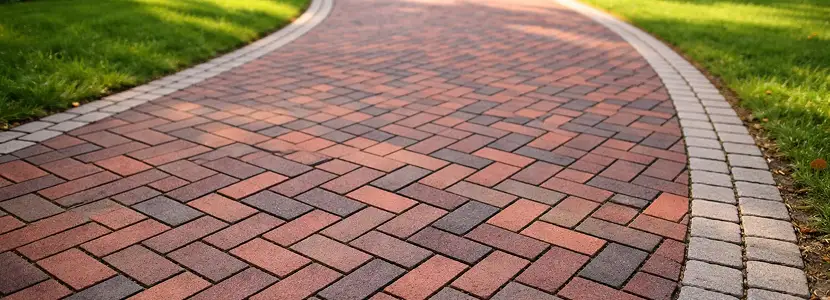
Iron oxide pigments are reliable inorganic pigments valued for strong colour, durability, chemical stability, and weather resistance. Modern production ensures consistent quality, uniform particle size, and even dispersion.
These pigments are used in construction materials, paints, coatings, plastics, rubber, ceramics, and various other industrial products.
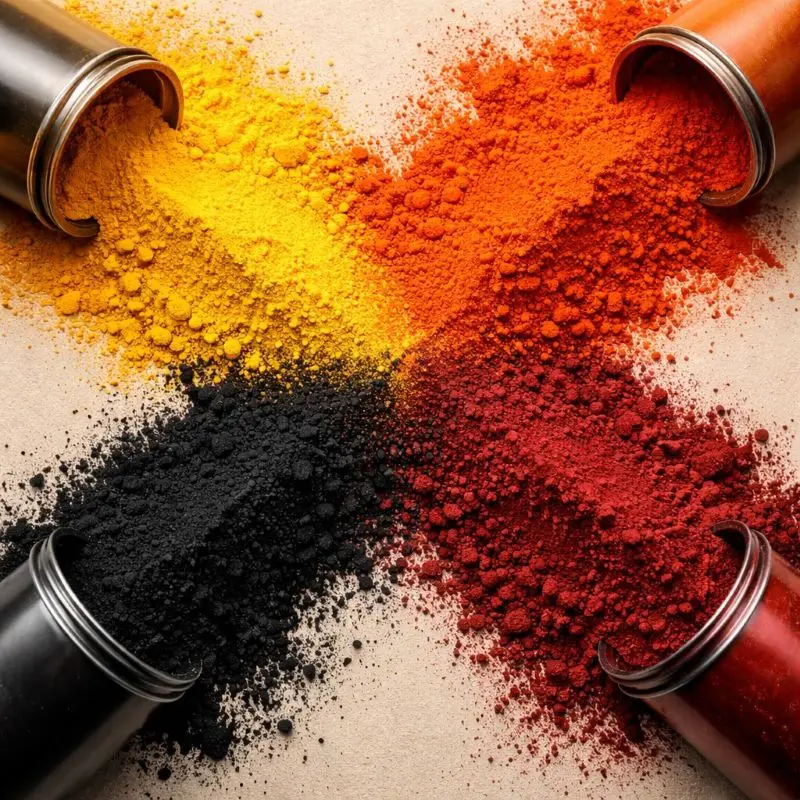
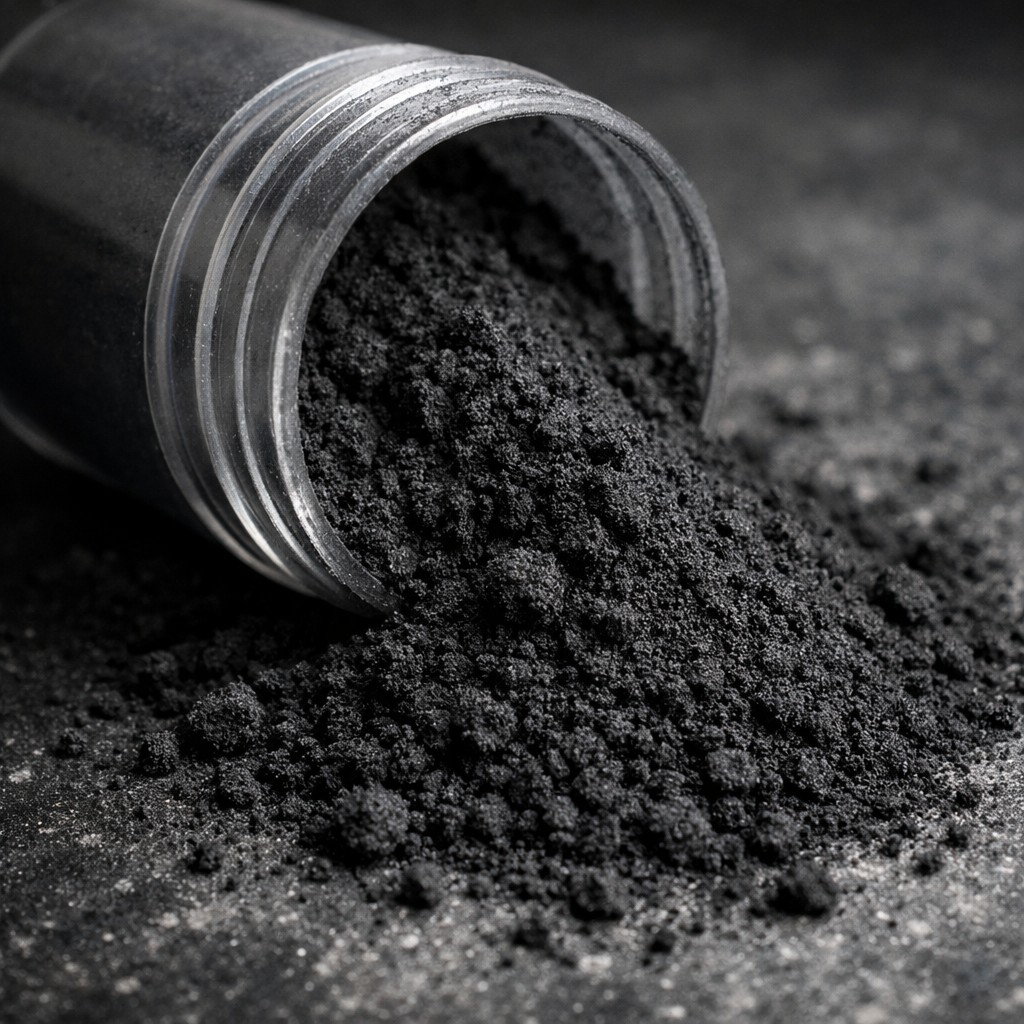
Iron Oxide Black
CI Number: IOB330
Applications: Plastics & Rubber • Ceramics & Tiles • Asphalt & Industrial Flooring • Paints & Coatings • Construction Materials
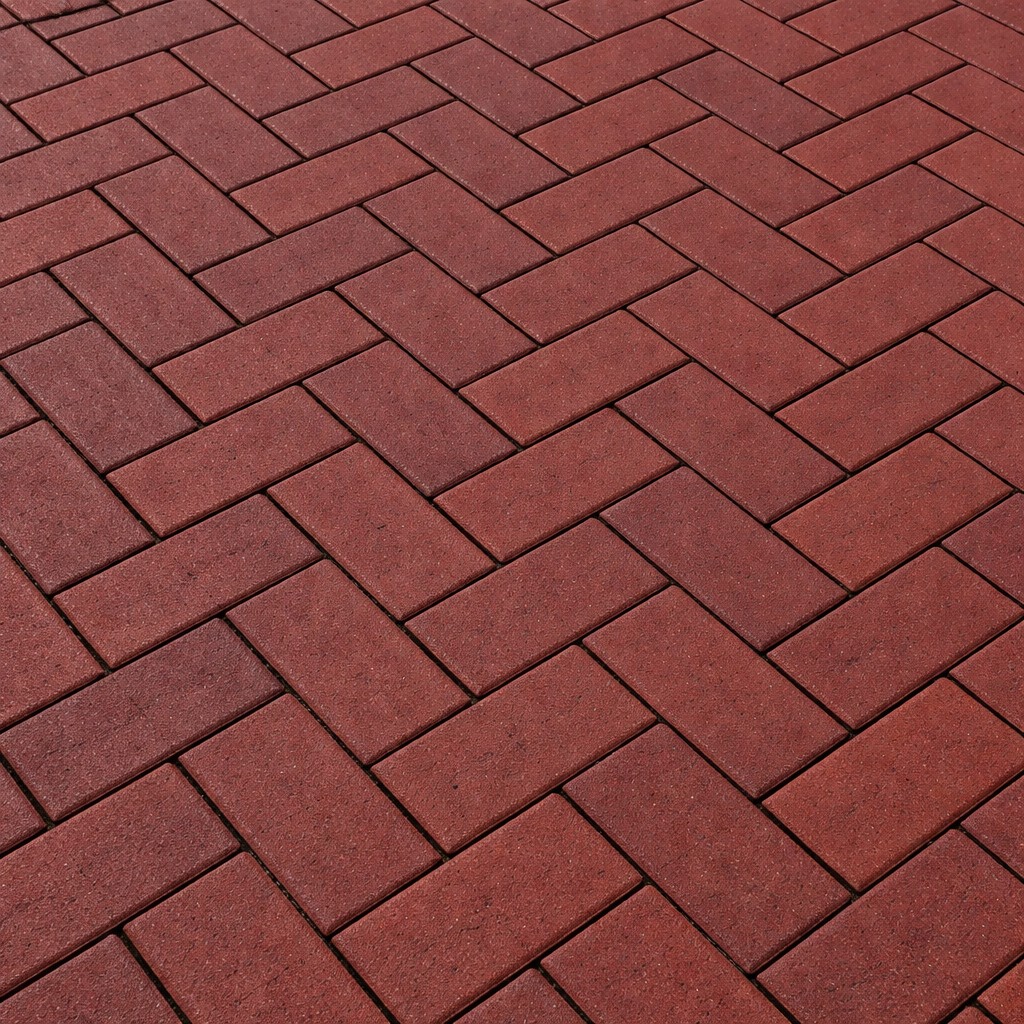
Iron Oxide Red
CI Number: IO130
Applications: Paints & Coatings • Construction Materials • Plastics & Rubber • Ceramics & Bricks • Asphalt & Flooring
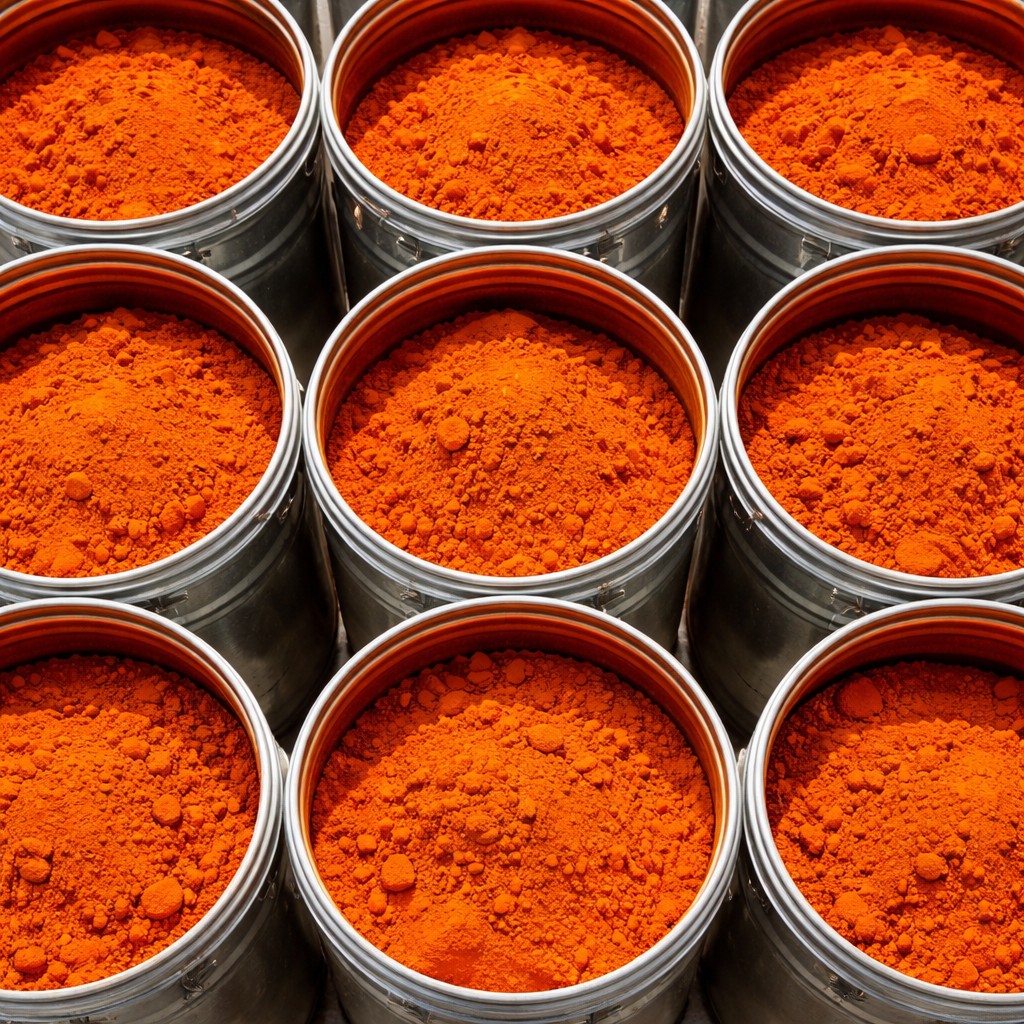
Iron Oxide Orange
CI Number: IOO960
Applications: Paper Coloring • Plastics Coloring • Paints & Coatings • Construction Materials
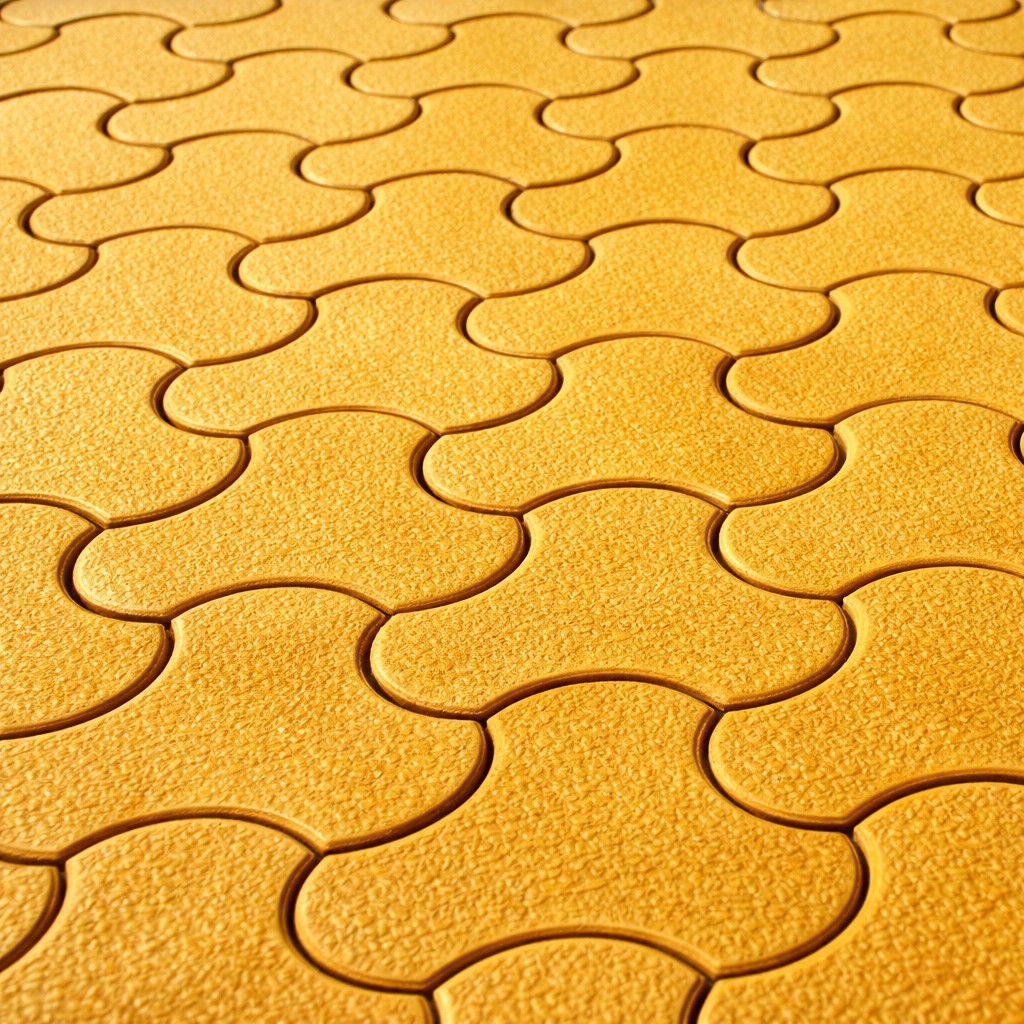
Iron Oxide Yellow
CI Number: IOY313
Applications: Plastics Coloring • Paints & Coatings • Construction Materials • Inks & Wood Stains
| Allorox Technical Data Sheet | Properties | |||||||||||
|---|---|---|---|---|---|---|---|---|---|---|---|---|
| Grades | Colour Index | Mass Tone | Reduced tone pigment: Tio2 1:10 | Fe₂O₃ Content (%) | Water Soluble Content | Sieve Residue | Oil Absorption | Bulk Density | Moisture Content | pH DIN ISO 787/9 | Tinting Strength (%) | Particle Shape |
| Allorox Red Grades | ||||||||||||
| 101 | PR 101 | 96–99 | 0.5 | 0.4 | 15–20 | 0.9–1.2 | 1.0 | 4–8 | 97–103 | Spherical | ||
| 129 | PR 101 | 96–99 | 0.5 | 0.4 | 15–20 | 0.9–1.2 | 1.0 | 4–8 | 97–103 | Spherical | ||
| 110 | PR 101 | 96–99 | 0.5 | 0.4 | 15–20 | 0.9–1.2 | 1.0 | 4–8 | 97–103 | Spherical | ||
| 120 | PR 101 | 96–99 | 0.5 | 0.4 | 15–20 | 0.9–1.2 | 1.0 | 4–8 | 97–103 | Spherical | ||
| 130 E | PR 101 | 96–99 | 0.5 | 0.4 | 15–20 | 0.9–1.2 | 1.0 | 4–8 | 97–103 | Spherical | ||
| 445 | PR 101 | 96–99 | 0.5 | 0.4 | 15–20 | 0.9–1.2 | 1.0 | 4–8 | 97–103 | Spherical | ||
| 130 A | PR 101 | 96–99 | 0.5 | 0.4 | 15–20 | 0.9–1.2 | 1.0 | 4–8 | 97–103 | Spherical | ||
| 130 | PR 101 | 96–99 | 0.5 | 0.4 | 15–20 | 0.9–1.2 | 1.0 | 4–8 | 97–103 | Spherical | ||
| 3097 | PR 101 | 96–99 | 0.5 | 0.4 | 15–20 | 0.9–1.2 | 1.0 | 4–8 | 97–103 | Spherical | ||
| 136 | PR 101 | 96–99 | 0.5 | 0.4 | 15–20 | 0.9–1.2 | 1.0 | 4–8 | 97–103 | Spherical | ||
| 8097 | PR 101 | 96–99 | 0.5 | 0.4 | 15–20 | 0.9–1.2 | 1.0 | 4–8 | 97–103 | Spherical | ||
| 190 | PR 101 | 96–99 | 0.5 | 0.4 | 15–20 | 0.9–1.2 | 1.0 | 4–8 | 97–103 | Spherical | ||
| Allorox Yellow Grades | ||||||||||||
| 910 | PY 42 | 86–89 | 0.5 | 0.4 | 30–40 | 0.4–0.7 | 1.0 | 4–8 | 97–100 | Acicular | ||
| 920 | PY 42 | 86–89 | 0.5 | 0.4 | 30–40 | 0.4–0.7 | 1.0 | 4–8 | 97–100 | Acicular | ||
| 313 | PY 42 | 86–89 | 0.5 | 0.4 | 30–40 | 0.4–0.7 | 1.0 | 4–8 | 97–100 | Acicular | ||
| Allorox Orange Grades | ||||||||||||
| 960 | PR 101 PY 42 | 90–91 | 0.5 | 0.4 | 22–30 | 0.4–0.8 | 1.0 | 4–8 | 95–105 | Irregular | ||
Iron oxide pigments are inorganic colourants used in construction, paints, plastics, and ceramics because they retain their colour better than most organic alternatives under heat, sunlight, and weathering. If you’re sourcing a pigment that won’t fade after a season outdoors or crack under processing heat, iron oxide is usually the safer bet.
That durability comes from the chemistry itself. Iron oxides are naturally stable compounds, so they don’t break down the way some dye-based colourants do when exposed to UV light or chemical stress. Manufacturers who need consistent shade, batch after batch – especially in construction materials, where a mismatched paver colour is hard to fix after the fact – rely on this stability more than on almost any other pigment property.
They resist fading, chalking, and colour drift because the pigment particles themselves are chemically inert rather than photosensitive. Paint that sits under direct sun for years still needs to look the way it did on day one, and that’s the exact problem iron oxides solve.
Alliance Organics manufactures its Allorox range with tight control over particle size and dispersion, which matters more than people expect. Uneven particle distribution is usually what causes streaking or patchy colour in cured concrete or moulded plastic – not a flaw in the pigment’s chemistry, but in how consistently it was processed.
Where this stability gets used most:
In short, if the end product will be exposed to outdoor conditions or repeated stress, iron oxide pigments retain their colour longer than most alternatives.
Four core shades – black, red, orange, and yellow – each formulated for a specific balance of strength, tone, and application fit. Picking the wrong grade for your process is one of the more common (and avoidable) mistakes buyers make.
Pigment | CI Number | Typical Applications |
Iron Oxide Black | IOB330 | Plastics & rubber, ceramics & tiles, asphalt & flooring, paints & coatings, construction |
Iron Oxide Red | IO130 | Paints & coatings, construction materials, plastics & rubber, ceramics & bricks, asphalt & flooring |
Iron Oxide Orange | IOO960 | Paper colouring, plastics colouring, paints & coatings, construction materials |
Iron Oxide Yellow | IOY313 | Plastics colouring, paints & coatings, construction materials, inks & wood stains |
Each grade also comes with documented technical parameters – iron oxide content, oil absorption, tinting strength, and particle shape – so buyers aren’t guessing at consistency between batches. Red grades, for instance, typically run 96–99% Fe₂O₃ content with spherical particle shape, while the yellow grade sits closer to 86–89% with an acicular (needle-like) structure that suits a different dispersion behaviour entirely.
Match the grade to your processing method first, then the desired shade – because a pigment that disperses beautifully in water-based paint can behave completely differently in an extrusion line.
Iron oxide pigments earn their place in construction, coatings, and plastics because they hold colour under conditions that break down most alternatives – heat, UV exposure, and repeated processing stress.
Key takeaways:
For technical data sheets or a sample batch matched to your application, reach out to Alliance Organics directly.
Iron oxide pigments are synthetic inorganic compounds based on iron oxide (Fe₂O₃), engineered for controlled particle size and consistent colour strength rather than being mined directly, which is why manufactured grades perform more predictably than natural ochres.
Yes, iron oxide pigments are widely used in concrete, tiles, and coatings precisely because they’re chemically stable and don’t leach or react under normal environmental conditions, making them a standard choice across the construction industry.
Iron oxide red (IO130) typically has a higher Fe₂O₃ content with a spherical particle shape, while iron oxide yellow (IOY313) has a lower Fe₂O₃ percentage and an acicular particle structure, which changes how each disperses and performs in different applications.
Yes, all four core Allorox grades – black, red, orange, and yellow – are formulated for plastics and rubber colouring, alongside paints, construction materials, and ceramics.
No, that’s one of their main advantages over organic pigments – iron oxides are chemically inert and resist UV-driven fading, which is why they’re preferred for exterior paints, roofing, and outdoor construction materials.
Tinting strength is tested against a reference standard and expressed as a percentage, typically ranging from 95–105% across Alliance Organics’ grades, indicating how much colouring power a given quantity of pigment delivers relative to that standard.
Construction, paints and coatings, plastics and rubber, ceramics and tiles, and asphalt or industrial flooring are the primary bulk buyers, since all five industries depend on consistent, weather-resistant colour across large production volumes.