


Iron oxide pigments are reliable inorganic pigments valued for strong colour, durability, chemical stability, and weather resistance. Modern production ensures consistent quality, uniform particle size, and even dispersion.
These pigments are used in construction materials, paints, coatings, plastics, rubber, ceramics, and various other industrial products.
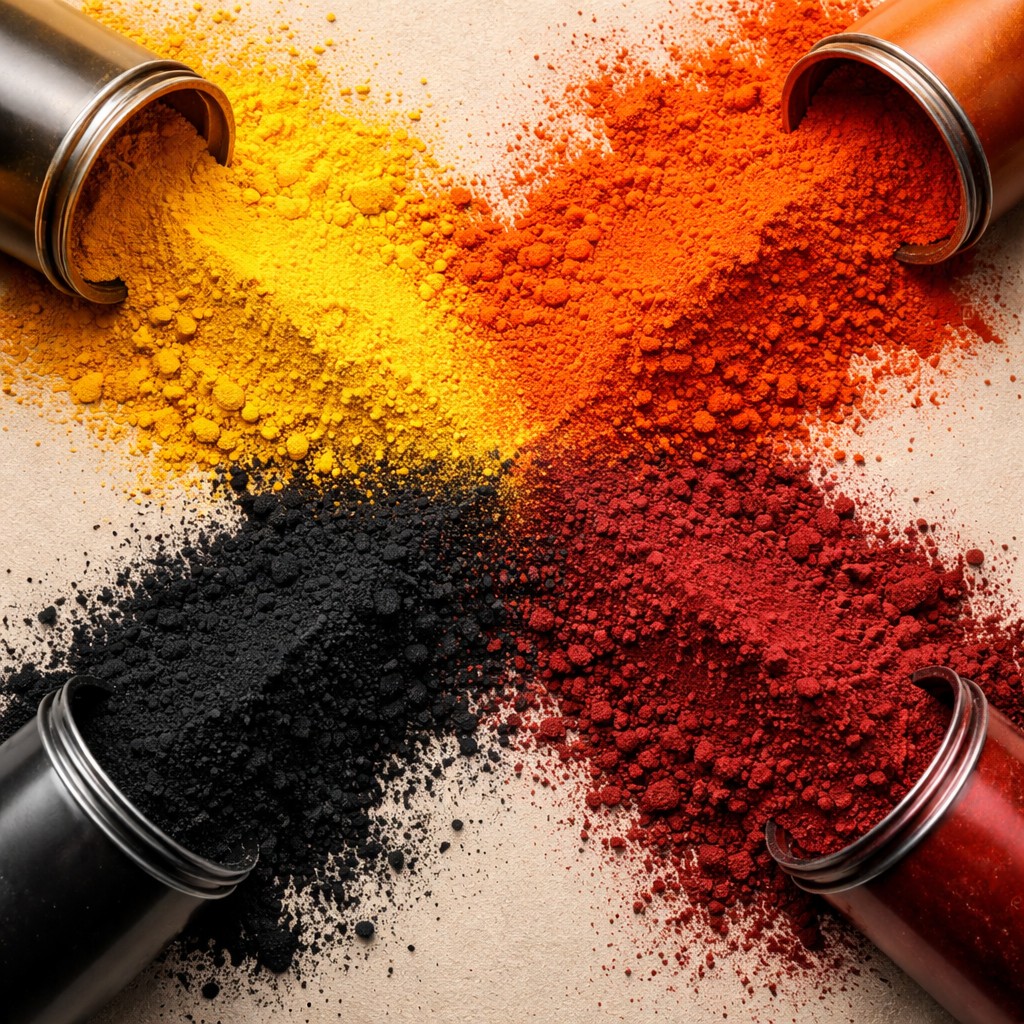
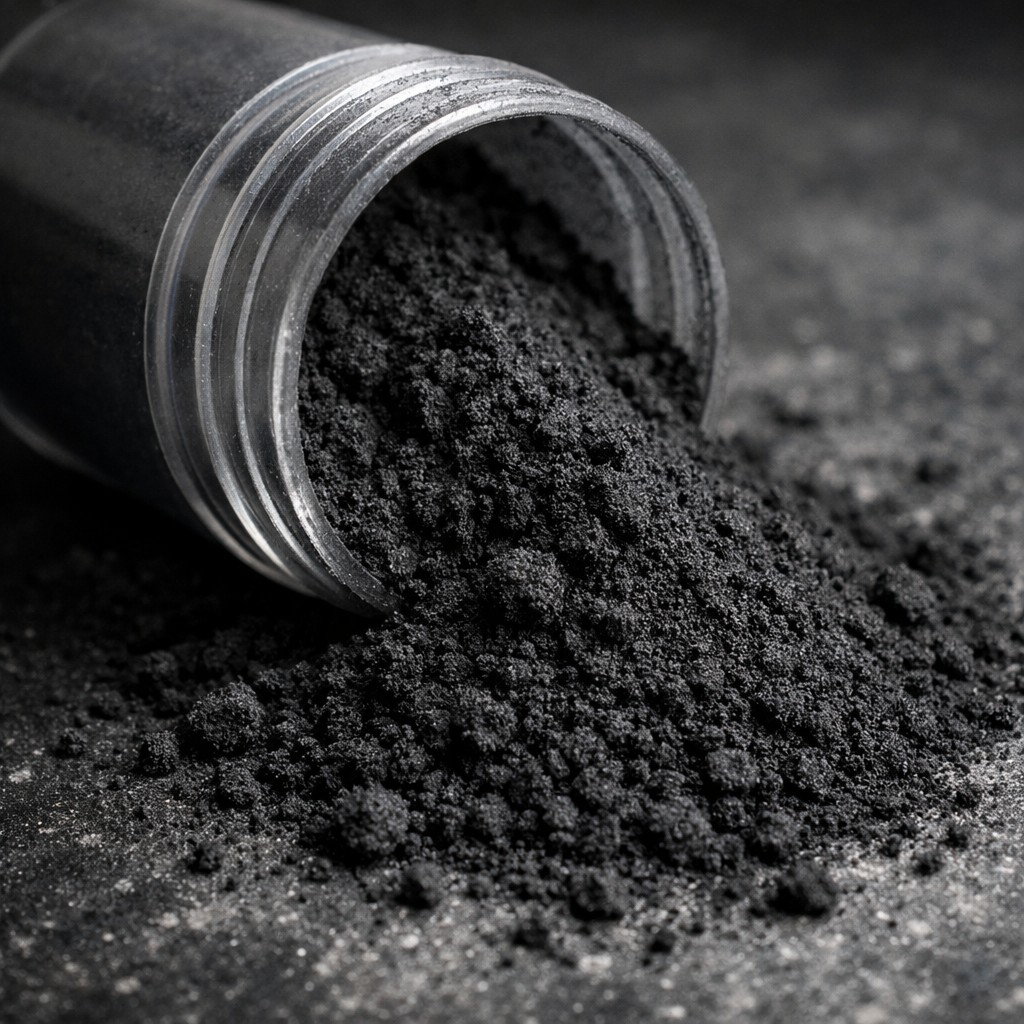
Iron Oxide Black
CI Number: IOB330
Applications: Plastics & Rubber • Ceramics & Tiles • Asphalt & Industrial Flooring • Paints & Coatings • Construction Materials
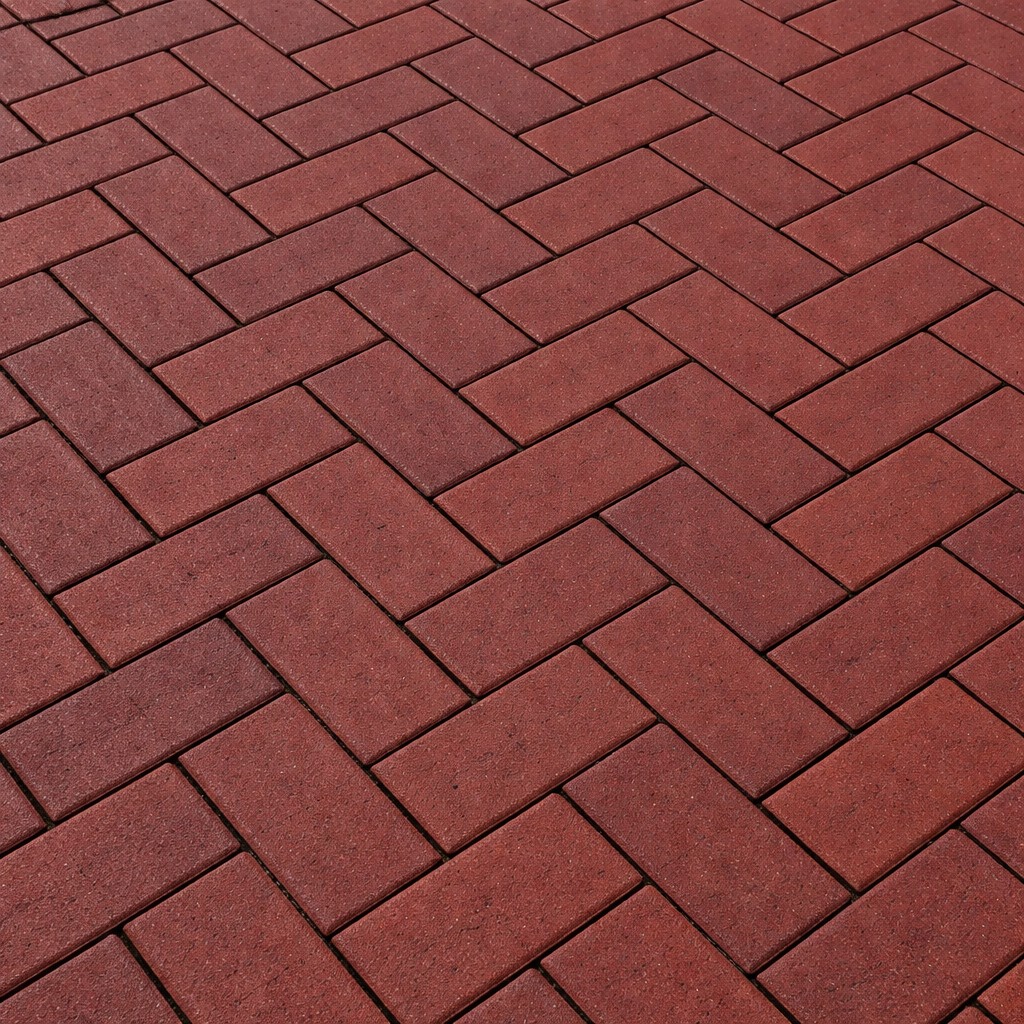
Iron Oxide Red
CI Number: IO130
Applications: Paints & Coatings • Construction Materials • Plastics & Rubber • Ceramics & Bricks • Asphalt & Flooring
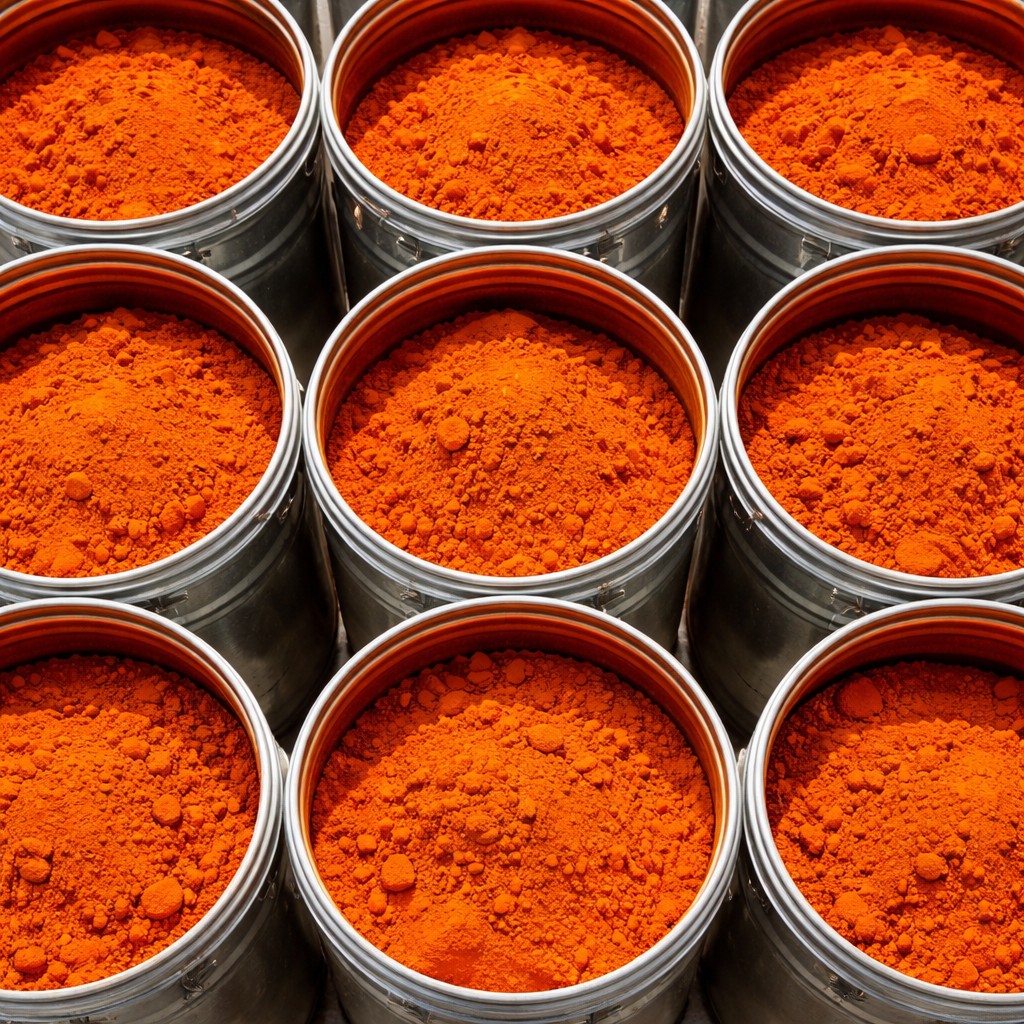
Iron Oxide Orange
CI Number: IOO960
Applications: Paper Coloring • Plastics Coloring • Paints & Coatings • Construction Materials
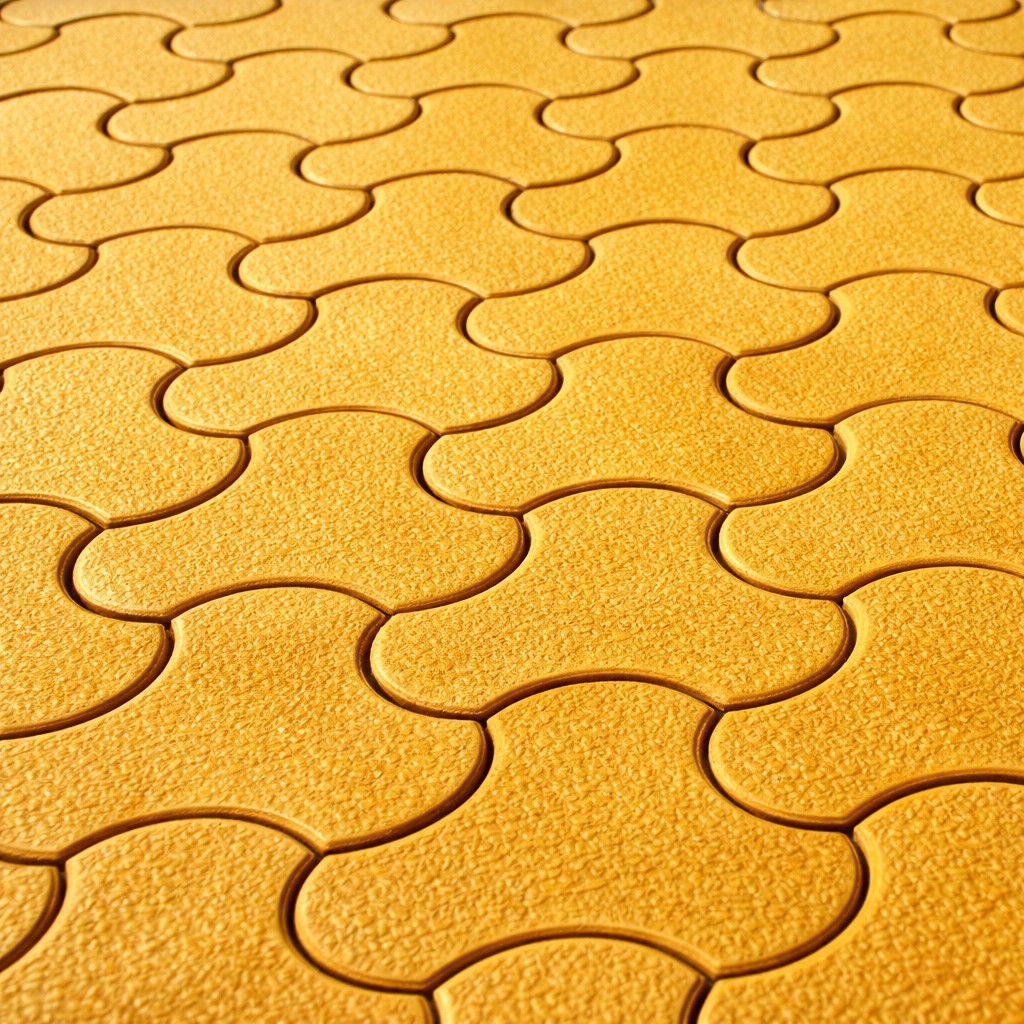
Iron Oxide Yellow
CI Number: IOY313
Applications: Plastics Coloring • Paints & Coatings • Construction Materials • Inks & Wood Stains
| Allorox Technical Data Sheet | Properties | |||||||||||
|---|---|---|---|---|---|---|---|---|---|---|---|---|
| Grades | Colour Index | Mass Tone | Reduced tone pigment: Tio2 1:10 |
Fe₂O₃ Content (%) |
Water Soluble Content |
Sieve Residue |
Oil Absorption |
Bulk Density |
Moisture Content |
pH DIN ISO 787/9 |
Tinting Strength (%) |
Particle Shape |
| Allorox Red Grades | ||||||||||||
| 101 | PR 101 | 96–99 | 0.5 | 0.4 | 15–20 | 0.9–1.2 | 1.0 | 4–8 | 97–103 | Spherical | ||
| 129 | PR 101 | 96–99 | 0.5 | 0.4 | 15–20 | 0.9–1.2 | 1.0 | 4–8 | 97–103 | Spherical | ||
| 110 | PR 101 | 96–99 | 0.5 | 0.4 | 15–20 | 0.9–1.2 | 1.0 | 4–8 | 97–103 | Spherical | ||
| 120 | PR 101 | 96–99 | 0.5 | 0.4 | 15–20 | 0.9–1.2 | 1.0 | 4–8 | 97–103 | Spherical | ||
| 130 E | PR 101 | 96–99 | 0.5 | 0.4 | 15–20 | 0.9–1.2 | 1.0 | 4–8 | 97–103 | Spherical | ||
| 445 | PR 101 | 96–99 | 0.5 | 0.4 | 15–20 | 0.9–1.2 | 1.0 | 4–8 | 97–103 | Spherical | ||
| 130 A | PR 101 | 96–99 | 0.5 | 0.4 | 15–20 | 0.9–1.2 | 1.0 | 4–8 | 97–103 | Spherical | ||
| 130 | PR 101 | 96–99 | 0.5 | 0.4 | 15–20 | 0.9–1.2 | 1.0 | 4–8 | 97–103 | Spherical | ||
| 3097 | PR 101 | 96–99 | 0.5 | 0.4 | 15–20 | 0.9–1.2 | 1.0 | 4–8 | 97–103 | Spherical | ||
| 136 | PR 101 | 96–99 | 0.5 | 0.4 | 15–20 | 0.9–1.2 | 1.0 | 4–8 | 97–103 | Spherical | ||
| 8097 | PR 101 | 96–99 | 0.5 | 0.4 | 15–20 | 0.9–1.2 | 1.0 | 4–8 | 97–103 | Spherical | ||
| 190 | PR 101 | 96–99 | 0.5 | 0.4 | 15–20 | 0.9–1.2 | 1.0 | 4–8 | 97–103 | Spherical | ||
| Allorox Yellow Grades | ||||||||||||
| 910 | PY 42 | 86–89 | 0.5 | 0.4 | 30–40 | 0.4–0.7 | 1.0 | 4–8 | 97–100 | Acicular | ||
| 920 | PY 42 | 86–89 | 0.5 | 0.4 | 30–40 | 0.4–0.7 | 1.0 | 4–8 | 97–100 | Acicular | ||
| 313 | PY 42 | 86–89 | 0.5 | 0.4 | 30–40 | 0.4–0.7 | 1.0 | 4–8 | 97–100 | Acicular | ||
| Allorox Orange Grades | ||||||||||||
| 960 | PR 101 PY 42 |
90–91 | 0.5 | 0.4 | 22–30 | 0.4–0.8 | 1.0 | 4–8 | 95–105 | Irregular | ||
Iron oxide pigments hold up outdoors because their particles are chemically inert, not photosensitive, so sun, heat and weathering don’t degrade them the way many organic colourants degrade. That’s the core reason construction, coatings and plastics manufacturers reach for them by default.
This comes down to basic chemistry rather than marketing. Iron oxides are stable compounds by nature, so they don’t fade or drift in shade under UV exposure or chemical stress the way dye-based options can. A coloured paver or roofing tile is expected to look the same after a full year outside, and that’s exactly the gap iron oxide fills.
Here’s what this page covers: where these pigments get used, the specific grades Alliance Organics produces under its Allorox line, and a practical way to pick the correct grade before you order in bulk.
Manufacturers use iron oxide pigments anywhere colour needs to survive heat, sunlight or repeated mechanical stress. Construction and exterior-facing coatings account for the largest share of demand.
Alliance Organics keeps tight control over particle size and dispersion across its Allorox range, and this detail matters more than buyers often assume. Patchy or streaky colour in cured concrete is usually a dispersion issue during processing, not a defect in the pigment chemistry.
Where the demand concentrates:
Wherever a product faces outdoor exposure or ongoing stress, iron oxide pigments keep their colour longer than most alternatives.
Alliance Organics produces four core Allorox grades: black, red, orange and yellow, each tuned for a different balance of tone, strength and processing fit.
Pigment | CI Number | Typical Applications |
Iron Oxide Black | IOB330 | Plastics, ceramics, asphalt, coatings, construction |
Iron Oxide Red | IO130 | Coatings, construction, plastics, bricks, flooring |
Iron Oxide Orange | IOO960 | Paper, plastics, coatings, construction |
Iron Oxide Yellow | IOY313 | Plastics, coatings, construction, inks and wood stains |
Red grades generally carry 96 to 99% Fe2O3 content with spherical particles, while yellow sits closer to 86 to 89% with an acicular, needle-shaped structure that behaves differently under dispersion.
Every Allorox grade comes with documented Fe2O3 content, tinting strength and particle data, so batch consistency doesn’t rely on guesswork.
Start with your processing method, then narrow down by shade. A pigment that works cleanly in water-based paint can act completely differently inside an extrusion line.
Iron oxide pigments remain the practical choice for construction, coatings and plastics because they keep their colour under conditions that break down most alternative pigments.
Key takeaways:
Iron oxide pigments are synthetic compounds built around Fe2O3 and engineered for controlled particle size and colour strength, rather than being mined directly like natural ochres.
Yes. They’re chemically stable and don’t leach or react under normal conditions, which is why they’re a standard component across concrete, tiles and coatings.
Iron oxide red carries a higher Fe2O3 percentage and a spherical particle shape, while iron oxide yellow has a lower Fe2O3 content and an acicular structure, so the two disperse differently in processing.
Yes, all four Allorox grades from Alliance Organics are formulated for plastics and rubber colouring, along with paints, coatings, ceramics and construction.
No, and that’s a major reason they’re preferred over organic pigments. Their chemical stability resists UV-driven fading, which is why they show up so often in exterior paints and outdoor construction work.