


Alliance Organics offers premium-quality Ultramarine Blue Pigment, a synthetic inorganic pigment known for its bright, clean blue tone and good durability. Widely used across plastics, coatings, rubber, inks, and construction materials, this pigment has a consistent shade, high tinting strength, and good performance under demanding processing conditions.
Ultramarine Blue is valued for its strong colour development, good heat stability, and resistance to light and weather exposure, making it suitable for both indoor and outdoor applications.
Ultramarine Blue is an alkali-resistant inorganic pigment designed to give vibrant blue colouration with high opacity and excellent dispersion. Its stable chemical structure delivers consistent colour output and long-lasting performance across various industrial formulations.
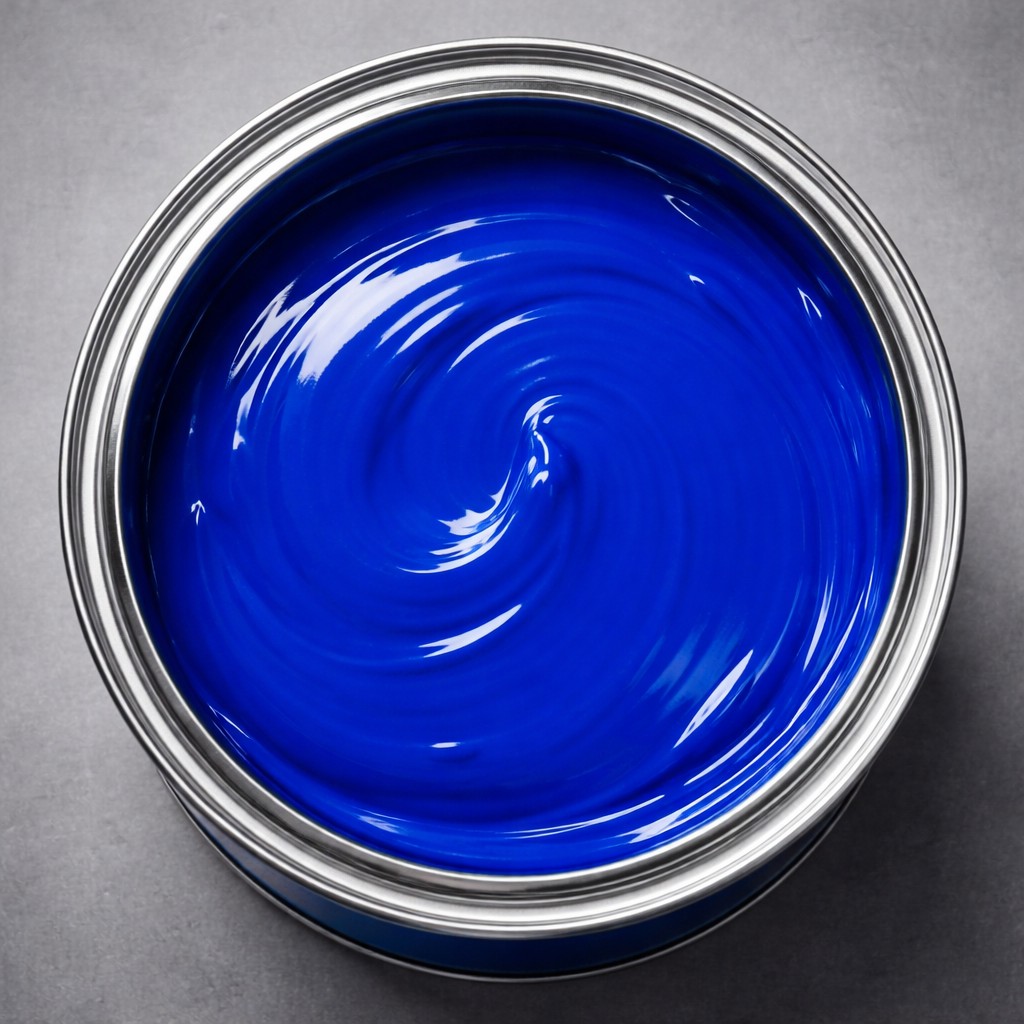
Pigment Blue 29
Ultramarine Blue PG
CI Number: 77007
Applications: Industrial & Decorative Paints • Plastics & Masterbatches • Rubber Products • PVC & Leather Cloth • Linoleum
Pigment Blue 29
Ultramarine Blue PR
CI Number: 77007
Applications: Paints • Plastics • PVC & Leather Cloth • Linoleum • Rubber • Leather Pastes

Pigment Red 259
Ultramarine Pink
Applications: Plastics • Artist’s Colours • Food Contact Packaging • Paints • Inks • Soaps
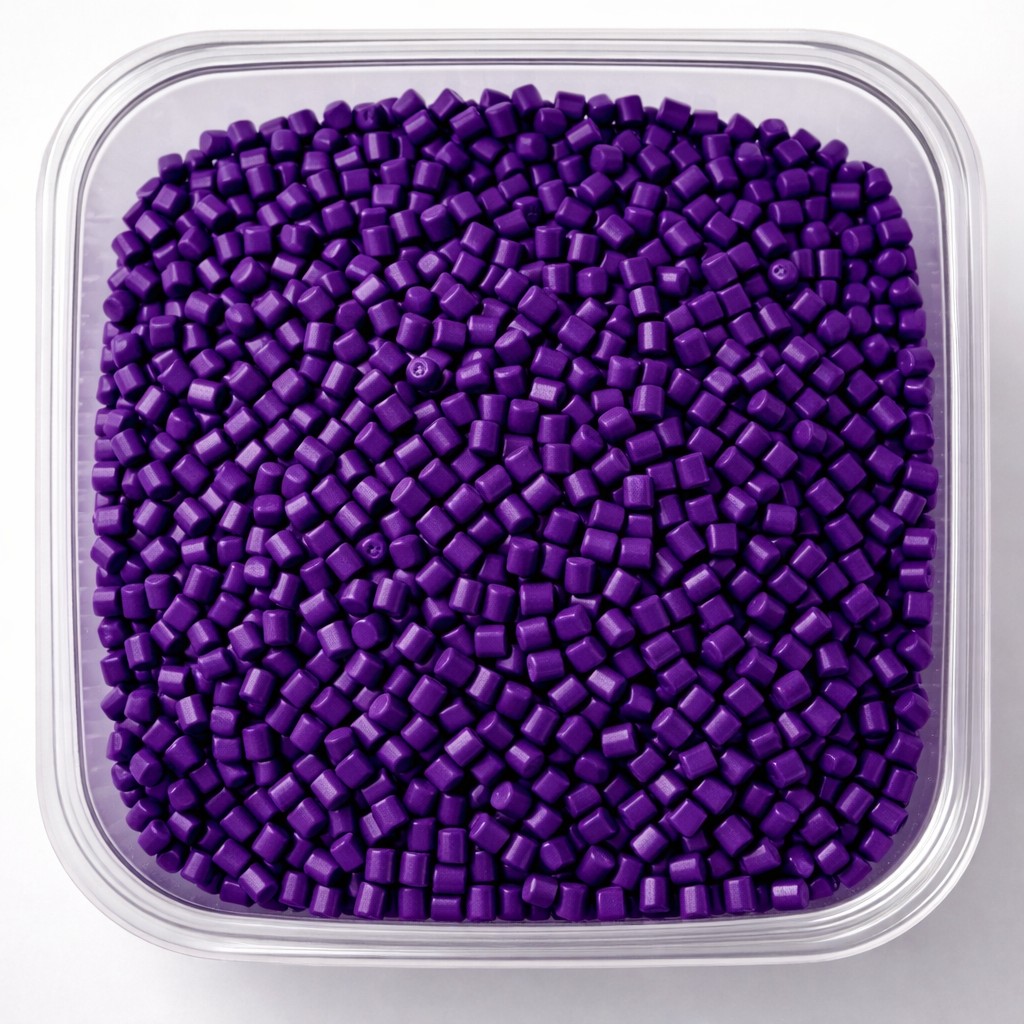
Pigment Violet 15
Ultramarine Violet
Applications: Paints • Inks • Soaps • Plastics • Artist’s Colours • Food Contact Packaging
Ultramarine Blue pigment stays vivid because its aluminosilicate-sulfur structure resists heat, sunlight and alkaline exposure that would fade a weaker pigment within months. That’s the short version of why it’s still the go-to blue across so many industries.
Ever notice how some blue plastics or coatings look almost new after years outdoors, while others turn chalky and dull way sooner than they should? It’s rarely the formula around the pigment causing that gap. It’s the pigment itself.
Alliance Organics produces a premium-grade Ultramarine Blue built to survive real processing lines, not just look good under studio lighting for a product photo.
By the end of this, you’ll know what gives the pigment its colour, where manufacturers actually use it, why it performs so consistently batch after batch, and what quality checks happen before it ever leaves the factory.
The colour comes from sulfur trapped inside an aluminosilicate framework, an unusual bit of chemistry that produces a warmer, slightly reddish blue instead of the cooler, greener tone typical of other blue pigments.
That’s more than a technical detail worth knowing. It’s the actual reason the pigment behaves the way it does once it’s put to work, through heat cycles, UV exposure and chemically harsh environments alike.
Formulators tend to reach for it because several things line up at once: strong colour development, minimal fading outdoors, and alkali resistance that genuinely matters in cement and concrete, where the curing process is highly alkaline and would otherwise strip a lesser pigment out entirely.
Common applications include:
The pigment’s structure is what lets it hold colour through heat, sunlight and alkaline conditions that trip up plenty of alternatives.
Its chemistry simply stays put across heat, light and pH swings, so there’s no mid-batch compensating needed to keep the colour on target.
Batch-to-batch consistency ends up mattering more than most people expect going in. A new drum that lands a shade off from the last one means rework, or worse, a full reformulation nobody budgeted time for. Stable pigment chemistry is what avoids that headache in the first place.
Heat resistance counts just as much. Plastics and rubber processing both run hot, and a pigment that drifts under temperature turns straight into wasted material, which is never a fun line item to explain.
Good dispersion plays a role too. Even spread means less pigment gets you full coverage, which helps keep raw material costs a little more predictable.
Before committing to a bulk order, it helps to:
Stable chemistry is the whole reason this pigment stays predictable order after order.
Alliance Organics manufactures Ultramarine Blue in-house rather than sourcing it and repackaging it, which is really the only dependable way to keep shade, particle size and tinting strength consistent between orders.
Every batch gets checked against internal reference standards before dispatch, covering colour strength and dispersion, so the sample you signed off on is what actually shows up, whether that’s a small trial or a full bulk shipment.
In-house manufacturing paired with pre-dispatch testing is what makes reliable, repeatable supply possible.
Ultramarine Blue pigment holds its colour wherever a stable, vivid blue needs to survive heat, sunlight and alkaline exposure, from plastics and coatings through to cement and concrete work.
Key takeaways:
It’s built on an aluminosilicate structure with sulfur locked at its core, which produces that distinct, slightly reddish blue shade.
Yes, it holds its colour well under the higher temperatures typical of plastics and rubber processing.
Yes, and it’s actually well suited to it. Its alkali resistance keeps it from fading or discolouring in the highly alkaline conditions cement and concrete create while curing.
Yes. It resists both light exposure and general weathering, so it performs in outdoor coatings and plastics, not only indoor applications.
It is. Strong tinting strength combined with even dispersion makes it reliable across both.