

Alliance Organics provides basic liquid dyes for the paper and pulp industry.
These dyes deliver bright shades, strong color, and consistent results for fast paper production.
Our liquid formulations ensure easy handling, rapid solubility, and uniform color, helping paper manufacturers achieve superior visual appeal while improving process efficiency.
They dissolve rapidly and bond well to pulp, resulting in even color and brilliance.
Liquid form avoids powder-related issues and enables precise dosing on high-speed machines.

High tinctorial strength with bright, clear shades
Ready-to-use liquid form for easy handling
Excellent solubility and dispersion in pulp
Uniform coloration across the paper surface
Consistent performance and shade reproducibility
Cost-effective coloring solution
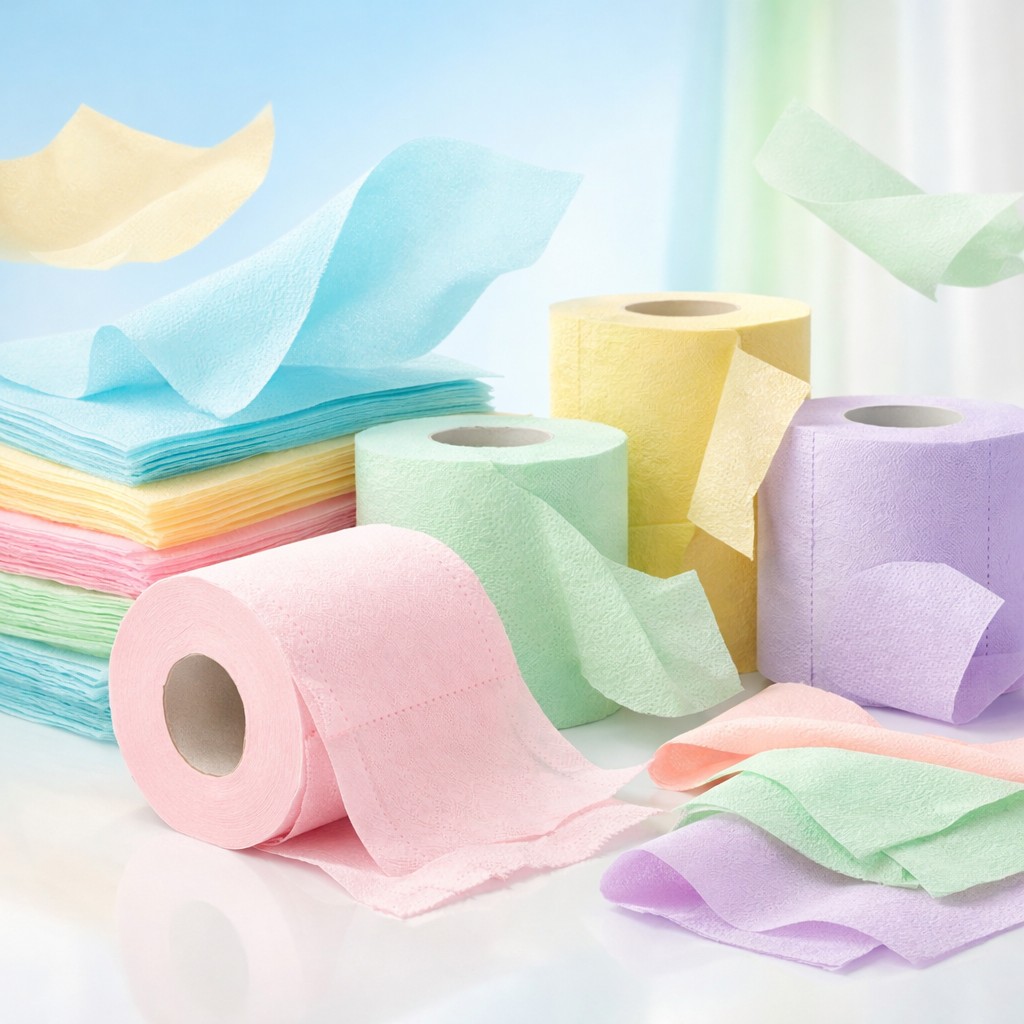
Tissue and sanitary paper

Writing and printing paper

Newsprint
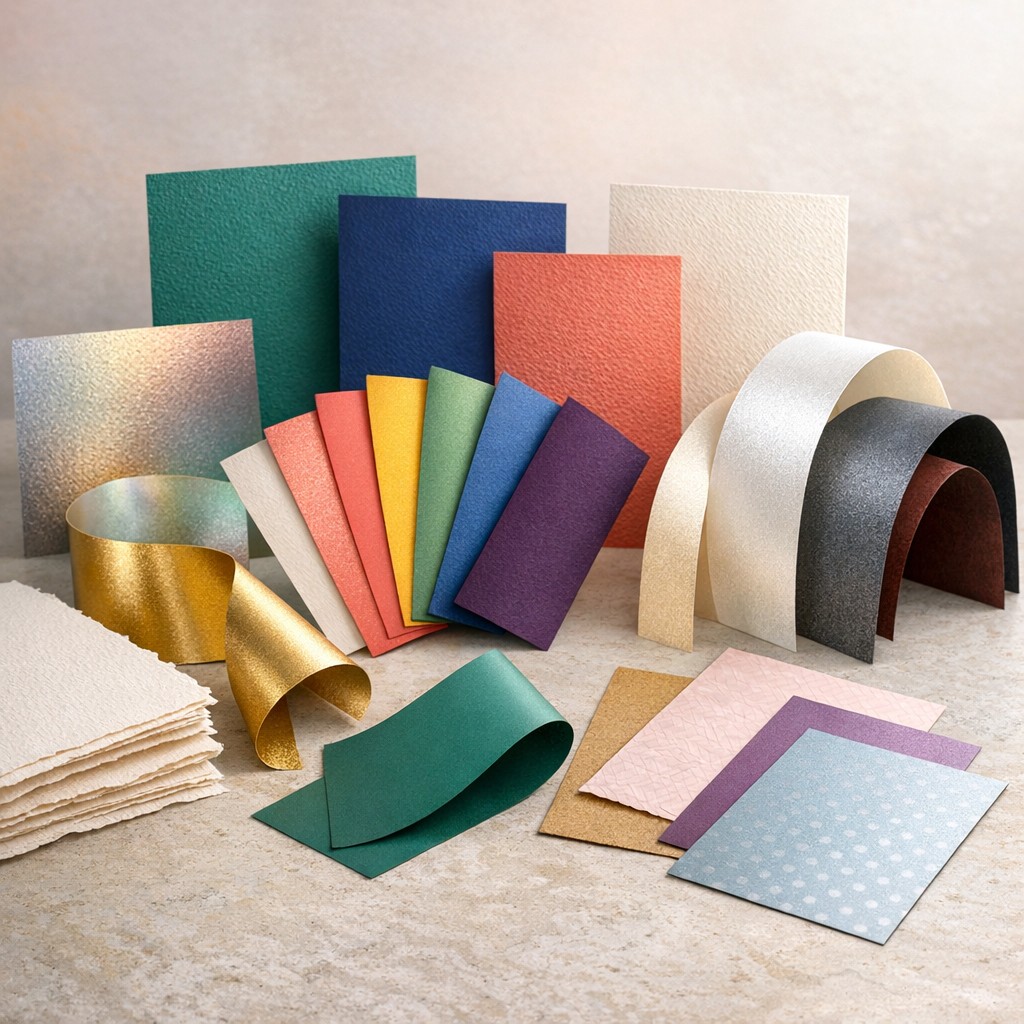
Decorative and specialty paper grades
Fast and uniform exhaustion of pulp fibers
Compatible with common paper chemicals and additives
Stable performance under normal paper processing conditions
Basic Yellow 2 Liquid
Auramine O
CI No: 41000
Applications: Tissue Paper • Speciality Papers • Writing Paper • Printing Paper
Basic Blue 26 Liquid
Victoria Blue B
CI No: 44045
Applications: Paper Manufacturing • Decorative & Specialty Papers • Pulp Dyeing • MDF
Basic Violet 1 Liquid
Methyl Violet
CI No: 42535
Applications: Pulp Dyeing • MDF • Paper Manufacturing • Decorative & Specialty Papers
Basic Violet 3 Liquid
Crystal Violet
Applications: Writing Paper • Printing Paper • Tissue Paper • Speciality Papers • Paper Coloring
Basic Violet 4 Liquid
Ethyl Violet
Applications: Writing Paper • Printing Paper • Tissue Paper • Speciality Papers
Basic Green 1 Liquid
Brilliant Green
Applications: Writing Paper • Printing Paper • Tissue Paper • Speciality Papers
Basic Green 4 Liquid
Malachite Green
CI No: 42000
Applications: Inks • MDF • Paper Coloring
Basic dyes liquid works better for paper mills because it dissolves as soon as it hits water, doses precisely on fast-moving lines, and eliminates the powder-mixing stage that eats into production time. On a machine that runs continuously, skipping that stage changes the whole shift.
Powder dyes need on-site mixing, and that step invites shade drift and airborne dust. Basic dyes liquid feeds directly into the pulp stream, giving mills steady colour without a separate prep stage slowing anything down.
Alliance Organics manufactures basic dyes liquid in yellows, reds, violets, blues, and greens, letting paper producers cover most colour briefs from a single supplier instead of combining several products.
By the end of this guide, you’ll know how liquid dosing changes a production line, where mills apply basic dyes liquid, and what to verify before picking a supplier.
Basic dyes liquid changes dosing because it dissolves in seconds, so a fast-running machine gets accurate colour right away instead of correcting it mid-run. Powder simply can’t respond that quickly.
On a line that never pauses, dosing precision decides whether the sheet comes out even. Because basic dyes liquid bonds cleanly to pulp fibres from the start, mills avoid the floating residue and blotchy patches that show up once powder-based colour dries.
There’s a safety angle too. Liquid dosing removes powder handling from the floor, which means less airborne dye drifting near operators and equipment.
What liquid dosing changes:
Liquid dosing takes the guesswork out of colour matching on a high-speed line.
Mills apply basic dyes liquid across paper grades where colour consistency is part of the specification, from everyday tissue through to speciality stock.
Typical uses include:
Some shades extend well past paper. Basic Violet 1, Basic Blue 26 and Basic Violet 10 also perform in MDF colouring and general pulp dyeing, which shows how dependable this chemistry stays once it’s built for liquid application.
Basic dyes liquid serves standard paper production and reaches into MDF and pulp colouring as well.
You should verify tinctorial strength, solubility and batch-to-batch exhaustion data before selecting a supplier. A number printed on a spec sheet is not the same as a number confirmed by testing.
Mills running continuous production can’t afford to treat dye behaviour as unpredictable. What separates a supplier you’ll reorder from one that causes a shutdown usually comes down to a short list of measurable checks.
Run through this before you commit:
Alliance Organics runs every batch through these checks before dispatch, since that’s the only reliable way to keep order four identical to order one.
Tested batch data, not a generic spec sheet, is what keeps shade consistent over time.
Basic dyes liquid suits paper mills because it dissolves instantly, doses with precision, and eliminates the shade drift that powder handling tends to introduce on a running machine.
Key takeaways:
Running a continuous paper line? Ask Alliance Organics for batch test data on tinctorial strength and solubility before placing your next order.
Liquid dye dissolves faster, doses more precisely on high-speed equipment, and avoids the dust and mixing variation that powder handling introduces.
Tissue and sanitary paper, writing and printing stock, newsprint, and decorative or speciality grades all rely on basic dyes liquid regularly.
Yes. Shades such as Basic Violet 1 and Basic Blue 26 also perform well in MDF colouring and general pulp dyeing.
By testing each batch for tinctorial strength, solubility and exhaustion performance before it ships, rather than relying on a generic spec sheet.
A wide range spanning yellows, oranges, reds, violets, blues, browns and greens, enough to meet most paper colouring needs without mixing separate products.