Alloment Alpha Blue GX is Suitable for the Waterbase Applications like producing Water Based Dispersion, Water based Paints, Solvent Based and Water based Ink.



Alliance Organics LLP is a manufacturer of Phthalocyanine Pigments in India. We Produce our own Copper Phthalocyanine Blue also known as CPC, thus giving an advantage of consistent supply and consistent quality, which in turn helps in producing the below finished pigments with consistent quality and competitive prices.
We invest years in improving our process and offer quality pigments to all our clients. We provide a one-stop solution in numerous applications like Inks, Paints, Plastics and Textile through a wide range of pigments.
Organic Pigments are sub-classified into-
Phthalocyanine Pigments
Azo Pigments
High-Performance Pigments
Pigment Blue 15:0
Pigment Blue 15:1
Pigment Blue 15:3
Pigment Blue 15:4
Pigment Green 7
We have different Grades of Phthalocyanine Pigments which are based on their different applications.
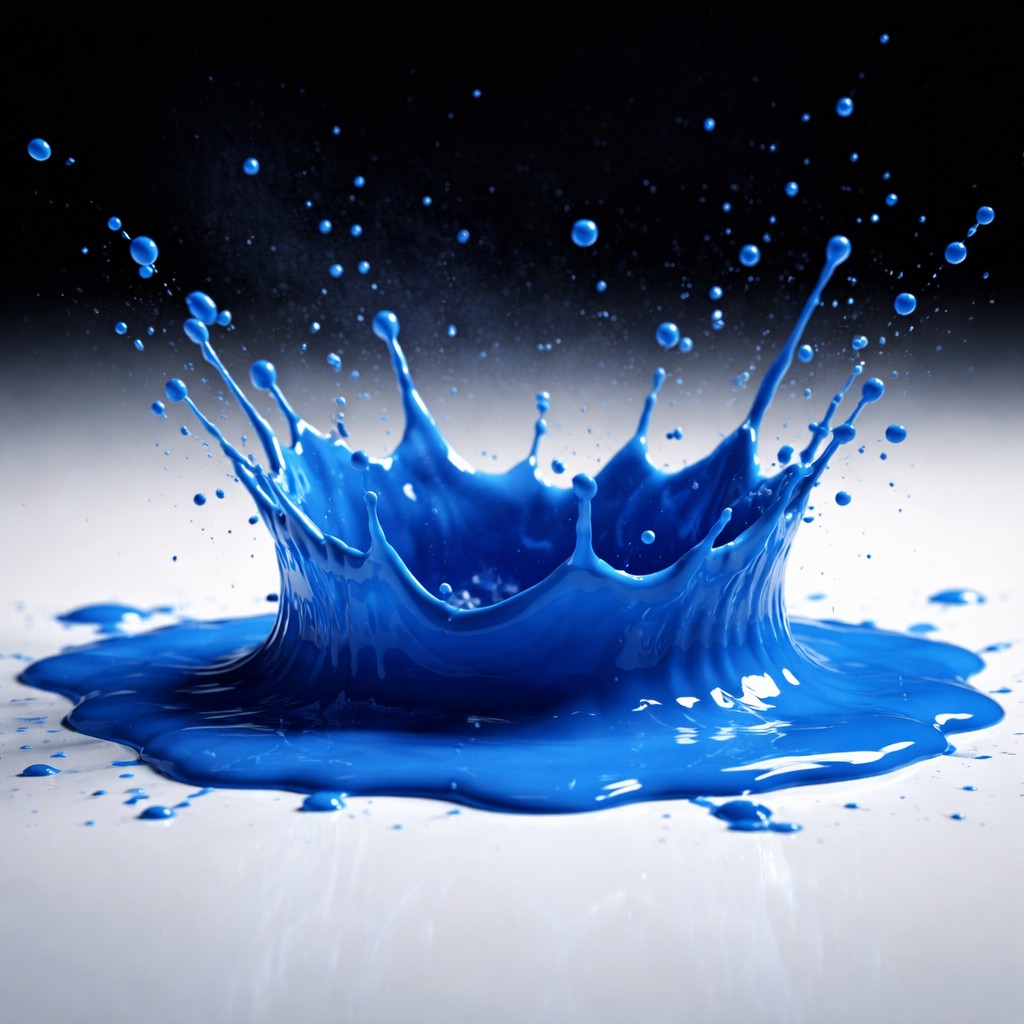
Alloment™ Alpha Blue GX
Pigment Blue 15:0 Universal
CI Number: 74160
Application : Universal
Alloment Alpha Blue GX is Suitable for the Waterbase Applications like producing Water Based Dispersion, Water based Paints, Solvent Based and Water based Ink.
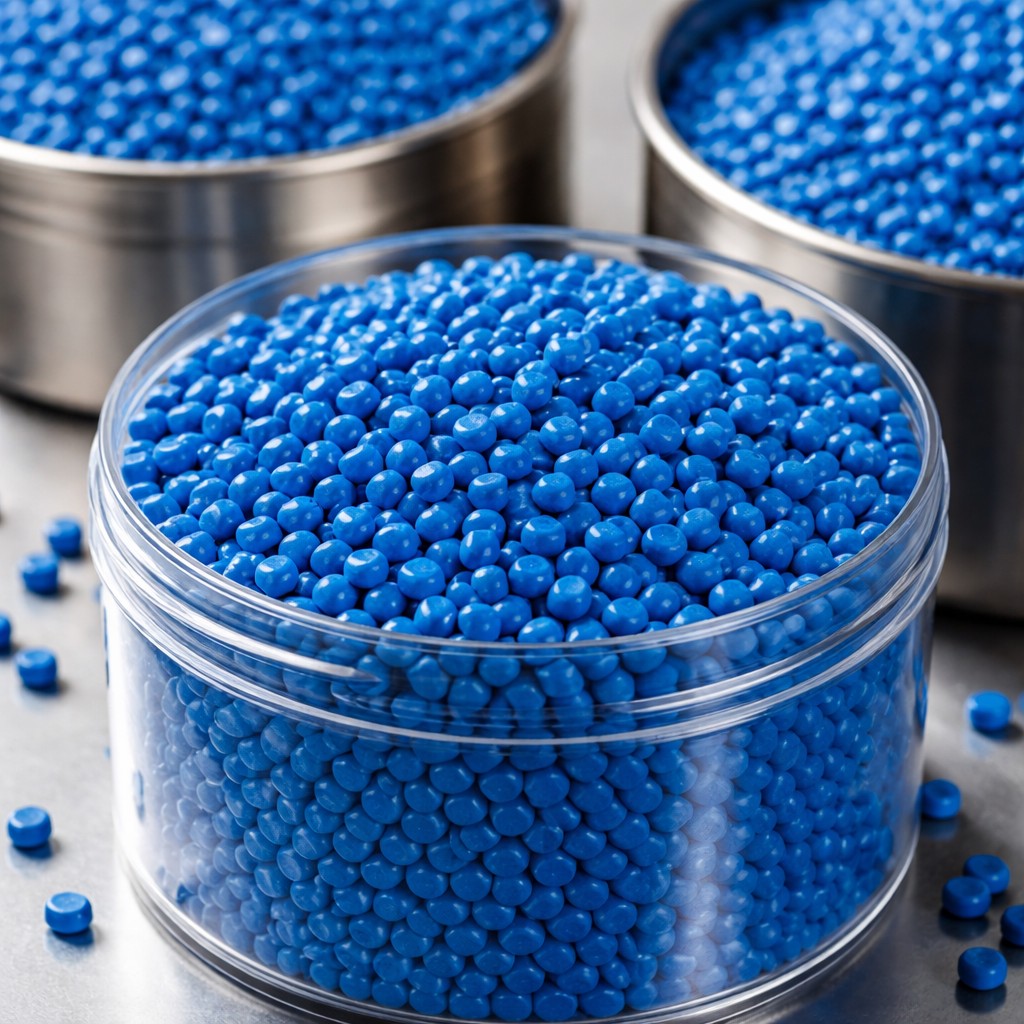
Alloplast™ Alpha Blue GXK
Pigment Blue 15:0 Plastic
CI Number: 74160
Application : Plastic
Alloplast Alpha Blue GXK is mainly for Plastic Applications. This grade has a good dispersion and has heat stability for 200°C.
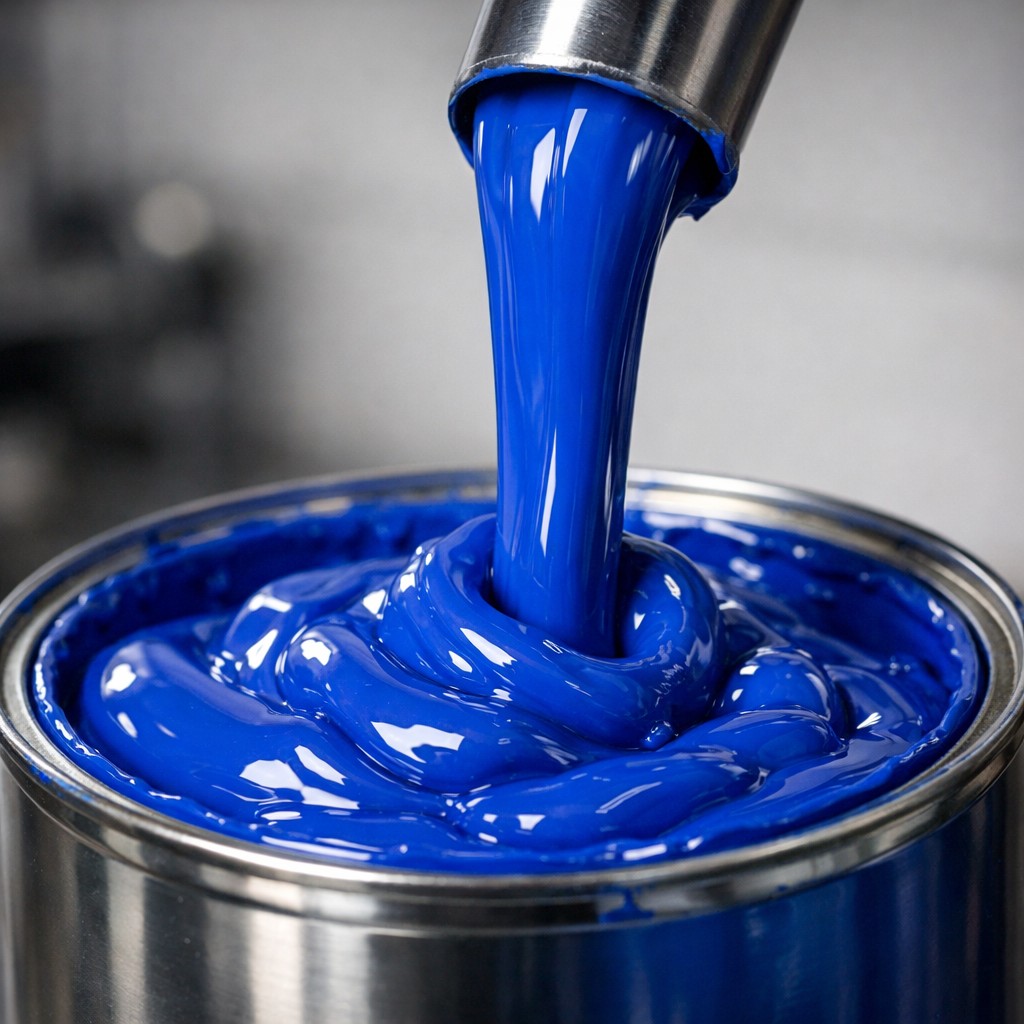
Alloment™ Alpha Blue AG
Pigment Blue 15:1 Universal
CI Number: 74160
Application : Universal
Alloment Alpha Blue AG is mainly used for Water based Paints and Solvent Based Paint Applications.
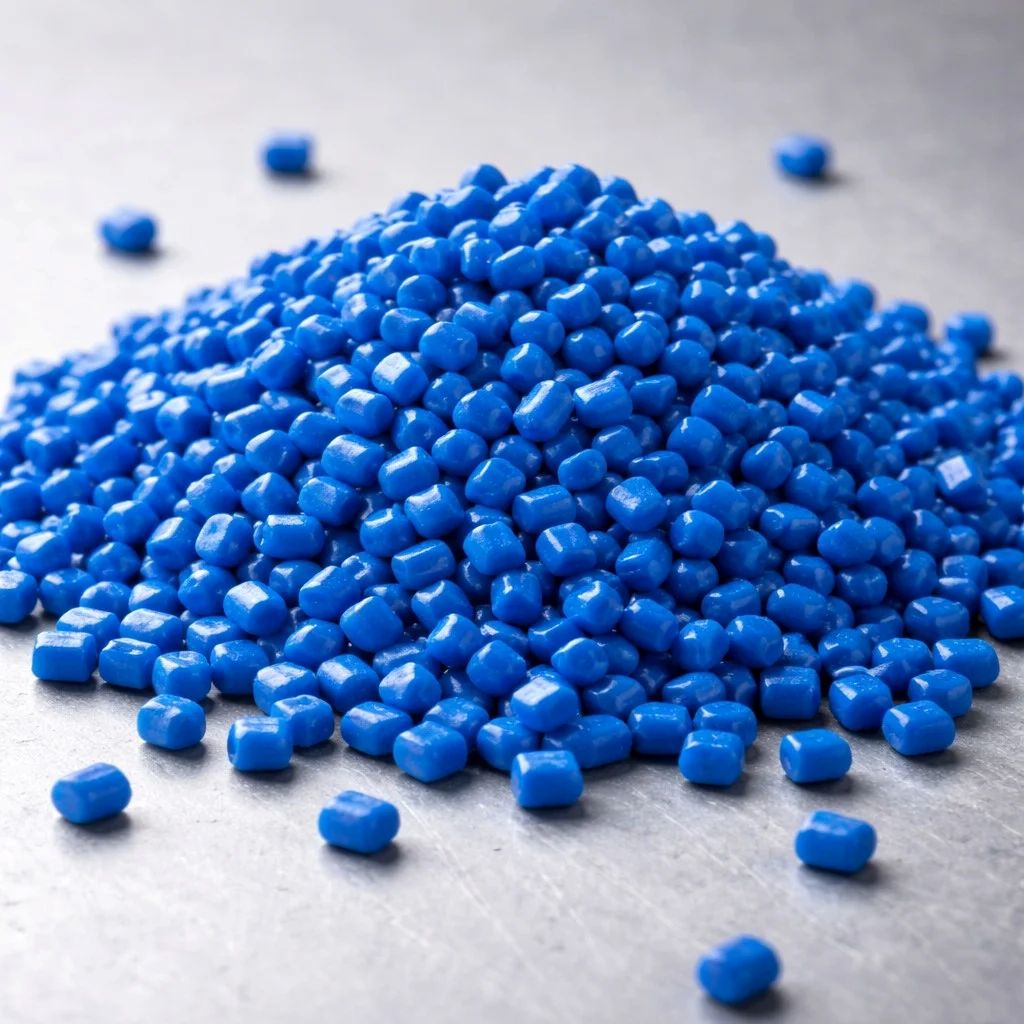
Alloplast™ Alpha Blue AGK
Pigment Blue 15:1 Plastic
CI Number: 74160
Application : Plastic
Alloplast Alpha Blue AGK is mainly used in Plastic Applications.This grade has a good dispersions, low filter pressure value and high heat stability upto 280°C
Alloment™ Blue PP-X
Pigment Blue 15:3 Universal
CI Number: 74160
Application : Universal
Alloment Blue PP-X is a universal grade pigment. It has applications in Waterbased Inks, Waterbased Paints, Waterbased Dispersions, Solvent Based Paints and PVC.
Alloment™ Blue PP-XG
Pigment Blue 15:3 Universal
CI Number: 74160
Application : Universal
Alloment Blue PP-XG is also a universal grade but it is greenish in shade. It has applications in Waterbased Inks, Waterbased Paints, Waterbased Dispersions, Solvent Based Paints and PVC.
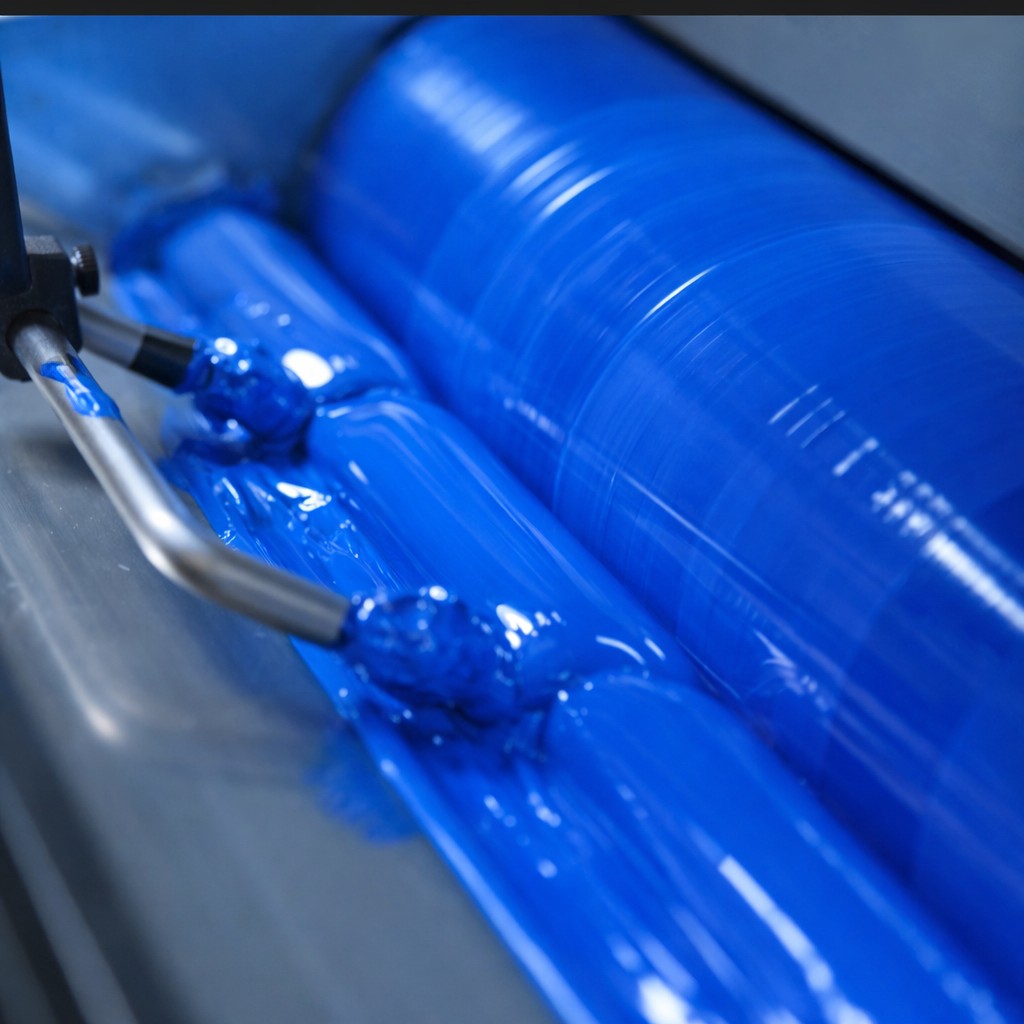
Alloment™ Blue OF-X
Pigment Blue 15:3 Offset Inks
CI Number: 74160
Application : Offset Inks
Alloment Blue OF-X is a grade which is mainly used for offset inks, this grade has high flow and high Viscosity.
Alloment™ Blue SQ-X
Pigment Blue 15:3 Solvent Based Inks
CI Number: 74160
Application : Solvent Based Inks
Alloment Blue SQ-X is used mainly in Solvent Systems. It has applications in Solvent based Inks.
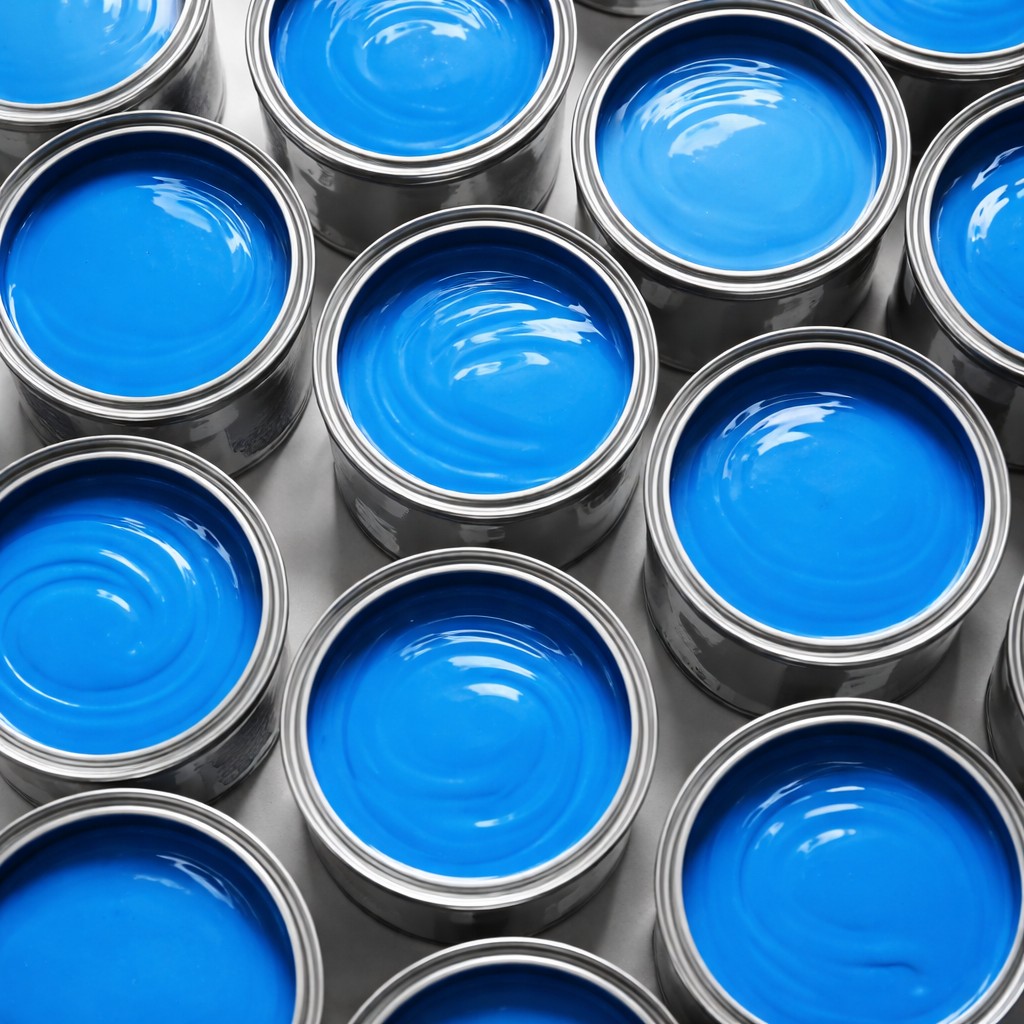
Alloment™ Blue GML
Pigment Blue 15:3 Solvent Based Paints
CI Number: 74160
Application : Solvent Based Paints
Alloment Blue GML is widely used in solvent-based paint systems due to its excellent color strength, durability, and chemical stability.
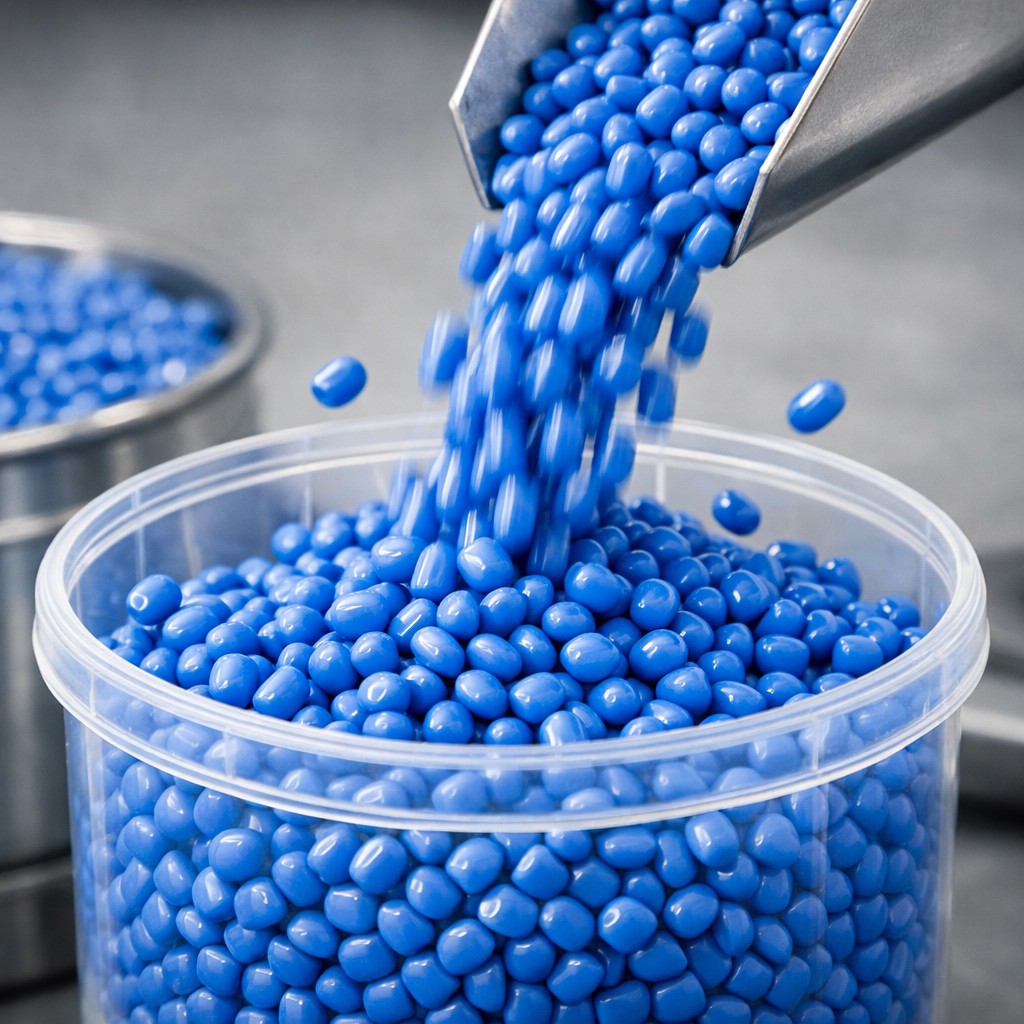
Alloplast™ Blue ARK
Pigment Blue 15:3 Plastic
CI Number: 74160
Application : Plastic
Alloplast Blue ARK is a grade for Plastic application. This product has good dispersion and has the ability of 260°C.
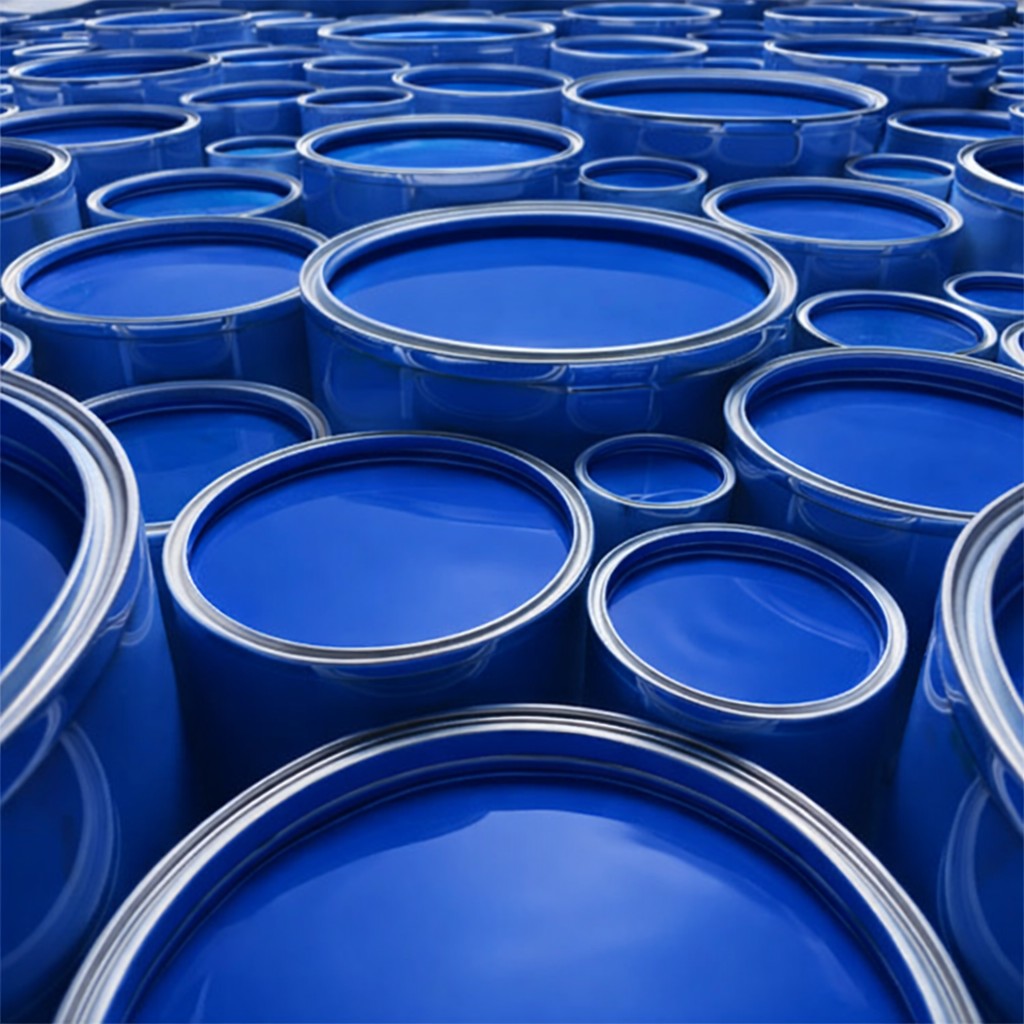
Alloment™ Blue SB-X
Pigment Blue 15:4 Solvent Based Inks & Paints
CI Number: 74160
Application : Solvent Based Inks & Paints
Alloment Blue SB-X is also used for Solvent Systems and has extremely low viscosity and high gloss and good transparency. It is used in Solvent based Inks and Solvent based Paints.
| ALLIANCE ORGANICS LLP | Fastness Properties | Application | ||||||||||||||||||
|---|---|---|---|---|---|---|---|---|---|---|---|---|---|---|---|---|---|---|---|---|
| Paste Link | Liquid Link | |||||||||||||||||||
Product Name |
Product Code |
C.I.Name & C.I.No |
Mass Tone 1.1 |
Tint Tone 1:10 Ti02 |
Migration |
Light Fastness |
Sheet Fed |
HeatSet |
ColdSet |
Screen |
Metal Deco |
UV Curing |
Water base |
NC Alcohol |
NC Acetate |
Polyamide |
PVB |
Liquid Inks |
PU Laminations |
PC Gravure |
| Alloment Phthalocyanine Pigment for inks | ||||||||||||||||||||
Pigment Alpha Blue GX |
1501 |
PB 15:0 74160 |
5 |
8 |
- |
- |
- |
- |
- |
- |
- |
- |
- |
- |
- |
- |
||||
Pigment Alpha Blue AG |
1512 |
PB 15:1 74160 |
5 |
8 |
- |
- |
- |
- |
- |
- |
- |
- |
- |
- |
- |
|||||
Pigment Blue OF-X |
1531 |
PB 15:3 74160 |
5 |
8 |
- |
- |
- |
- |
- |
- |
- |
- |
||||||||
Pigment Blue PP-X |
1532 |
PB 15:3 74160 |
5 |
8 |
- |
- |
- |
|||||||||||||
Pigment Blue SQ-X |
1533 |
PB 15:3 74160 |
5 |
8 |
- |
- |
- |
- |
- |
|||||||||||
Pigment Blue PP-XG |
1534 |
PB 15:3 74160 |
5 |
8 |
- |
- |
- |
|||||||||||||
Pigment Blue 15:4 SB-X |
1541 |
PB 15:4 74160 |
5 |
8 |
- |
- |
- |
- |
- |
- |
||||||||||
Pigment Green GWB |
732 |
PG 7 |
5 |
8 |
- |
- |
- |
- |
||||||||||||
Pigment Green NIK |
733 |
PG 7 |
5 |
8 |
||||||||||||||||
| ALLIANCE ORGANICS LLP | Properties | Applications | |||||||||||
|---|---|---|---|---|---|---|---|---|---|---|---|---|---|
Product Name |
Product Code |
C.I.Name & C.I.NO. |
Mass Tone 1.1 |
Tint Tone |
So2 Resistance |
Light Fastness Full Shade |
Weather Fastness Full Shade |
Heat Stablity (°C) |
Alkyd / Stoving |
Industrial |
Coil Coating |
Road Marking |
Plastics |
| Alloment Phthalocyanine Pigment for Paints & Coatings | |||||||||||||
Pigment Alpha Blue GX |
1501 |
PB 15:0 74160 |
2 | 5-6 | 3 | 220-240 | |||||||
Pigment Alpha Blue AG |
1512 |
PB 15:1 74160 |
2 | 5-6 | 3 | 220-240 | - |
||||||
Pigment Blue PP-X |
1532 |
PB 15:3 74160 |
2 | 4 | 2 | 220-240 | - |
||||||
Pigment Blue GML |
1532 |
PB 15:3 74160 |
2 | 4 | 2 | 220-240 | - |
||||||
Pigment Green GML |
731 |
PG 7 |
2 | 6 | 3 | 220-240 | |||||||
| ALLIANCE ORGANICS LLP | Fastness Properties | Applications | |||||||||||
|---|---|---|---|---|---|---|---|---|---|---|---|---|---|
Product Name |
Product Code |
C.I.Name & C.I.NO |
Mass Tone 1.1 |
Tint Tone 1:10 Ti02 | |||||||||
Migration |
Light Fastness |
Heat Stablity (°C) |
Polyolefins (PP/HDPE/LDPE) |
PVC |
Rubber |
Electric Cable |
ABS/PC/PS |
Fiber |
|||||
| Alloplast Phthalocyanine Pigment for Plastics | |||||||||||||
Pigment Alpha Blue GXK |
1502K |
PB 15:0 74160 |
5 |
5 |
220 |
- |
- |
- |
|||||
Pigment Alpha Blue AGK |
1511K |
PB 15:1 74160 |
5 |
5 |
280 |
- |
- |
||||||
Pigment Blue ARK |
1534K |
PB 15:3 74160 |
5 |
5 |
260 |
||||||||
Pigment Green GMK |
732K |
PG 7 74260 |
5 |
5 |
280-300 |
||||||||
Copper phthalocyanine blue stays the industry standard because it holds its colour under heat, sunlight and chemical exposure far longer than most alternatives. That single trait explains why it dominates paints, plastics and inks decades after cheaper blue pigments have come and gone.
It’s a synthetic organic pigment built around a copper atom locked inside a ring-shaped molecule. That structure gives it the durability manufacturers rely on across coatings, plastics, printing, and textiles.
This guide covers how the pigment is made, where it gets used, how it compares to phthalocyanine green, and what to check before choosing a supplier like Alliance Organics.
Copper phthalocyanine blue outperforms most blue pigments because its molecular ring resists breaking down under heat, UV light and chemical exposure. Weaker pigments fade within months under the same conditions.
The copper atom sits locked inside that ring structure, which is tough to disrupt even in demanding industrial environments. That’s the chemistry behind the pigment’s reputation for staying put.
Manufacturers return to it for a few practical reasons beyond colour alone. It works across solvent-based, water-based and powder coating systems without reformulation headaches, and it carries strong tinting power, so less pigment covers more product.
Why formulators keep choosing it:
The pigment earns its place not because it’s blue, but because that blue doesn’t fade.
Copper phthalocyanine blue is made by reacting phthalonitrile with a copper salt at high temperature, then purifying and conditioning the result into a specific crystal form. That crystal phase determines the final shade and performance.
Alpha, beta and epsilon phases each produce a slightly different tone. Beta is the phase most industrial coatings use, since it holds its shade and structure best over time and repeated processing.
How a batch typically moves through production:
Skipping or rushing any of these steps produces a pigment that looks fine on a data sheet but performs inconsistently once it’s in a customer’s product. Alliance Organics runs every batch through this full sequence without shortcuts, which is part of why buyers place repeat orders instead of shopping around each time.
Consistent crystal-phase control during manufacturing is what keeps shade uniform across batches.
Copper phthalocyanine blue gets used anywhere a colour needs to survive years of exposure without visibly shifting. That single requirement links every industry that relies on it.
Industry | Application |
Paints & Coatings | Automotive finishes, architectural paint |
Plastics | Masterbatches, packaging, moulded parts |
Printing Inks | Offset, gravure, flexible packaging |
Textiles | Pigment printing, synthetic fibre colouring |
Construction | Coloured cement, tiles, protective coatings |
None of these are niche markets. The pigment shows up in everyday products people rarely think of as pigmented, from car panels to packaging film to printed labels. Alliance Organics supplies most of these segments directly, so the team already understands the dispersion and grade requirements specific to each industry before an order is placed.
Copper phthalocyanine blue reaches nearly every sector where long-term colour retention matters.
Phthalocyanine green is built from the same base molecule as the blue pigment, modified by adding chlorine atoms to the ring structure. That change shifts the absorbed wavelength from blue to green while keeping the stability profile almost unchanged.
Pigment Green 7 is the most common result of this chlorination process. Alliance Organics applies the same batch-testing discipline to its green line as it does to blue, which is why it’s recognised as a reliable source for both rather than a one-off producer of either.
Formulators building a product line that needs both a stable blue and a stable green often find sourcing both from a phthalocyanine base simplifies quality control, since the two behave predictably alongside each other in the same system.
Phthalocyanine green inherits nearly all of the blue pigment’s stability through one targeted chemical change.
Check crystal-phase consistency, particle size control and whether batch documentation is available on request. These three factors predict performance far better than price alone.
Price dominates most supplier conversations, but it’s rarely the root cause of problems later. Shade drift between batches, where one shipment looks slightly different from the last, is the complaint that comes up most often from buyers who skipped this check.
A short checklist that works for procurement teams:
None of this takes long to request. A supplier who hesitates to provide it is usually one to be cautious about.
A short documentation check upfront prevents most shade-consistency problems later.
Copper phthalocyanine blue remains the industry standard because it keeps its colour under conditions that wear down most alternative pigments. Crystal-phase control during manufacturing, not the price on a quote, is what determines whether that stability shows up consistently in your product.
Key takeaways:
If you’re evaluating pigments for an upcoming production run, Alliance Organics can walk through grade selection and share sample data specific to your application.
It’s generally regarded as low in toxicity, since the copper is locked tightly inside the molecule and doesn’t easily release into the environment. Standard dust control during handling and processing is still worth following in any production setting.
Copper phthalocyanine is the raw chemical compound. The pigment version is that same compound after milling and processing to a specific particle size so it performs correctly in paint, plastic or ink.
Mainly because it doesn’t fade. Older or natural blue pigments shift shade under sunlight and heat within a fairly short window, while copper phthalocyanine blue holds its colour for years under the same conditions.
Yes, but only in the correct grade. Using a solvent-grade version in a water-based system can cause flocculation and uneven colour, so confirm the grade matches your formulation before ordering.
It’s made from the same starting compound through a chlorination step that shifts the shade from blue to green. The stability profile carries over almost entirely from blue to green.