
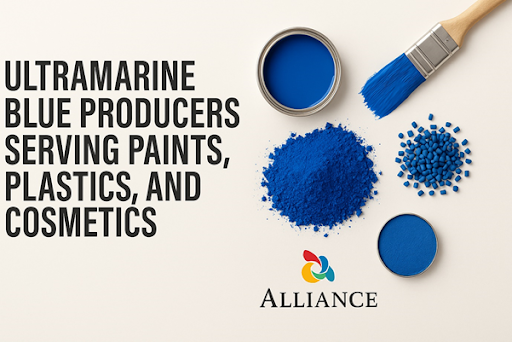
Ultramarine Blue Producers Serving Paints, Plastics, and Cosmetics
Introduction: The Bold Hue That Powers Multiple Industries

Ultramarine Blue a deep, vivid blue pigment with rich historical roots continues to make waves in modern industry.

Ultramarine Blue has come a long way from the canvases of the Old Masters to the everyday products we use, like plastics and makeup. Ultramarine Blue producers drive this transition by crafting pigment solutions for the most demanding applications. Discover how these industry leaders are innovating to ensure every shade is as vibrant, long-lasting, and safe as possible. 

Primarily composed of kaolin, sodium carbonate, silica and sulfur Ultramarine Blue is a valuable, non-toxic pigment recognised for its weather stability and resistance to alkalis. 

It is highly valued for:

  1. It’s deep, pure colour.
  2. Superior heat resistance & lightfastness.
  3. Exceptional stability in alkaline environments.
  4. A heavy metal–free, eco-friendly formulation.

Due to these attributes, it is the preferred pigment for manufacturers seeking aesthetic appeal, safety, and durability

Applications Across Industries

Paints and Coatings

Ultramarine Blue is a go-to pigment for decorative paints and industrial coatings thanks to its intense colour and resistance to fading.

Key applications include:

• Architectural coatings (interior/exterior paints)

• Artist and wall paints

• Coil and powder coatings

Ultramarine Blue producers Benefits:

Versatile Mixing: Spreads evenly in water and solvent bases

UV Durability: Maintains excellent coverage and color stability

Eco-Friendly: Replaces toxic cobalt and phthalocyanine options

Plastics and Polymers

Ultramarine Blue producers use plastic to visual appeal and offset yellowing in polymers.

It is commonly applied in:

• Polypropylene (PP) and polyethylene (PE)

• PVC-based applications

• Engineering plastics

• Masterbatches and compounded formulations

It is particularly valued for:

• Colour correction (bluing effect) in white or transparent plastics

• Thermal stability up to 350°C

• Suitability for injection moulding and extrusion processes

Cosmetics and Personal Care

Ultramarine Blue is also a well-established pigment in the cosmetics industry, where safety and purity are critical.

Approved for use in select regions for:

• Eyeshadows and liners

• Nail polishes

• Facial powders

• Soaps and body washes

Top Ultramarine Blue producers ensure:

• Cosmetic-grade certification

• Free from heavy metals and skin irritants

• Smooth texture and vibrant shade retention

What Sets Top Ultramarine Blue Producers Apart ?

R&D and Custom Pigments Engineering

Leading manufacturers invest in research & development to meet the specific requirements of each application.

This includes:

• Tailored particle sizes and dispersions

• Customised formulations for opacity or tinting strength

• Stability testing for pH, heat & chemical resistance

Sustainability and Compliance

Now pigment manufacturers emphasise environmentally responsible practices & strict regulatory adherence offering:

• Heavy metal–free and low-VOC pigment ranges

• Products compliant with REACH, RoHS and FDA standards

• Energy-efficient production methods and waste minimisation

These certifications are essential for sectors like cosmetics, food packaging and children’s toys.

Global Supply and Technical Support

Leading Ultramarine Blue producers offer:

• Worldwide logistics capabilities and reliable inventory supply

• Application-focused support for paints, plastics, and cosmetics

• Comprehensive technical data sheets and regulatory documentation

This guarantees consistent quality and regulatory compliance, regardless of where the product is produced or marketed.

Alliance Organics: A Trusted Ultramarine Blue Producer

As one of India’s leading Ultramarine Blue producers

Alliance Organics gives pigments that meet the exacting needs of paints, plastics, and cosmetics manufacturers worldwide.

We offer:

• Tailored Ultramarine pigment grades (industrial and cosmetic)

• Heat-stable, non-bleeding and non-migrating formulations

• Support for sustainable manufacturing goals

• Reliable supply with competitive global price

Our pigments are engineered for performance, safety and vibrancy. making them a preferred choice for manufacturers who won’t compromise on quality.

FAQs – People Also Ask

Is Ultramarine Blue safe for use in cosmetics?

Yes.Cosmetic-grade Ultramarine Blue is safe, non-toxic, and approved for use in products such as eyeshadows and soaps in many regulatory regions.

Can Ultramarine Blue be used in plastics ? 

Absolutely.It’s commonly used in PE, PP, PVC, and engineering plastics for colouration and yellow tint correction due to its heat stability and dispersion.

Is Ultramarine Blue environmentally friendly ?

Modern versions are heavy metal–free and made through eco-compliant processes, making them suitable for green manufacturing.

What industries use Ultramarine Blue the most? 

Primarily paints, coatings, plastics, cosmetics, and, to some extent, rubber and printing inks.

Conclusion: A Versatile Pigment That Delivers on All Fronts

From colouring a luxury face cream to adding vibrancy to plastic containers or giving a wall a deep Mediterranean tone—Ultramarine Blue remains a trusted, high-performance pigment.

At Alliance Organics, we take pride in delivering Ultramarine Blue that meets the evolving needs of modern industries. As demand grows for safe, sustainable, and consistent pigments, Ultramarine Blue producers like Alliance Organics play a vital role in supplying solutions that perform as beautifully as they look.

Pigments in Cosmetics: Are They Really Safe for Your Skin?
Cosmetics get much of their appeal from color, whether it’s a bold lipstick, vibrant eyeshadow, or a subtle foundation. The pigments behind each shade help enhance your look and let you show your personality. As more people pay attention to ingredients, many wonder: Are cosmetic pigments actually safe for your skin?

Let’s look at what pigments are, how they’re regulated, and why they’re considered safe for daily use in cosmetics.

What Are Pigments in Cosmetics?

Pigments are tiny color particles that don’t dissolve in liquid. Instead, they remain mixed into the makeup, helping products last longer. This is different from dyes, which dissolve and can fade more quickly.

Common applications of pigments include:

* Lipsticks and lip glosses

* Eyeshadows and eyeliners

* Foundations and powders

* Nail products

Pigments can come from natural, synthetic, or mineral sources. Each type is picked based on how well it works, how stable it is, and how safe it is for your skin.

Why Pigments Are Essential in Makeup Products

Pigments don’t just add color—they also affect how makeup looks and feels on your skin.

Key benefits of cosmetic pigments include:

* Rich, consistent color payoff

* Improved coverage and opacity

* Long-lasting wear

* Resistance to fading and bleeding

Without pigments, it would be hard to get bright, consistent colours that work excellently for all skin tones.

Are Cosmetic Pigments Safe for Skin?

The short answer is yes—cosmetic pigments are safe when they’re approved for use. Before they’re added to products, pigments have to meet strict safety rules.

Regulatory authorities such as:

* The U.S. Food & Drug Administration (FDA)

* The European Commission (EU Cosmetics Regulation)

* Other global cosmetic safety bodies

These organisations assess pigments for purity, toxicity, and their interactions with the skin. Only pigments that pass tough safety tests can be used in cosmetics.

Understanding Natural vs. Synthetic Pigments

Many people think natural pigments are safer than synthetic ones, but what matters most is their quality and how well they’re regulated—not just where they come from.

Natural Pigments

Derived from minerals, plants, or insects, natural pigments are popular in clean beauty. Natural pigments come from minerals, plants, or insects and are popular in clean-beauty and organic products. Still, if they aren’t well refined, they can have small amounts of impurities and a lower risk of contamination. They are extensively tested and used in mainstream cosmetics.

Both natural and synthetic pigments are safe when they meet the standards set for cosmetics.

What About Heavy Metals and Allergy People sometimes worry about heavy metals in pigments. Some pigments contain small amounts of metals like iron, but cosmetic-grade pigments are cleaned and regulated to keep these levels well below safety limits.

If you have sensitive skin, allergic reactions to pigments are rare and depend more on your personal sensitivity than on the pigments themselves. Always an excellent idea to do a patch test with new products.

Pigments and Skin Types: Pigments are formulated to stay on the surface of your skin rather than soaking in. This means less absorption and a lower chance of irritation. Today’s pigments are often treated or coated to feel better and work well with your skin. No matter if your skin is oily, dry, or sensitive, pigments in trusted cosmetic brands are made to be safe for all skin types.

Clean Beauty, Transparency, and Consumer Trust

People today want to know what’s in their products. Brands now clearly label pigments, use high-quality ingredients, and follow global safety rules.

This focus on ingredient transparency has helped to build trust and dispel myths about cosmetic pigments. When sourced responsibly and used correctly, pigments play a safe and main role in modern beauty products.

So, Are Pigments in Cosmetics Safe?

Pigments make cosmetics vibrant and exciting. They shape colors, improve coverage, and allow people to express creativity through makeup. When pigments are well-regulated and responsibly sourced, they remain both safe and essential to the beauty industry.

Color may be the first thing that catches your attention, but it is the science, quality control, and safety behind pigments that make them perform effectively on the skin. Trusted manufacturers carefully develop and test pigments to ensure they meet strict industry standards for cosmetic use.

Alliance Organics is committed to delivering high-quality pigments that combine innovation, safety, and consistent performance. With a strong focus on quality and responsible sourcing, Alliance Organics supports cosmetic brands looking for reliable color solutions.If you are searching for trusted pigment solutions for your cosmetic formulations, connect with Alliance Organics to explore premium products designed to bring brilliance, safety, and creativity to modern beauty applications.

How Food Colors Influence the Way We Eat and Buy
We often judge food by its appearance before tasting it or reading the label. That first look is more important than many people think. Food Colors strongly change our eating habits. Affecting everything from how we think food will taste to how much we trust a brand. In today’s food market, color is more than decoration; it’s a way to communicate.

Let’s look at how Food Colors affect what people buy and why they are so important in today’s food industry.

The Psychology Behind Food Colors

Color is closely linked to our emotions and memories. When it comes to food, these feelings shape what we expect before we even taste anything. Food Colors signal freshness, flavor, and quality, quickly guiding people to choose or avoid a product.

For example:

* Red and orange hues are known to stimulate appetite

* Yellow is often associated with energy and positivity

* Green suggests health, freshness, and natural ingredients

* Brown conveys richness and comfort

These automatic connections help explain why color often decides what we pick off the shelf.

How Food Colors Affect Taste Perception

One thing about Food Colors is how they can change the way food tastes to us. Studies show that people often judge the strength of a flavour just by looking at its colour. the colored drink might taste sweeter, while a colour can make us think 

It has less flavour. In the same way, bold snack colors can make us think they are crunchier or have more seasoning.

When brands match Food Colors to the flavors people expect, they can make the eating experience better without changing the recipe.

Visual Appeal and Shelf Impact

In stores, the products have just a few seconds to catch someone’s eye. Food Colors are key for grabbing attention, especially in busy sections like drinks, candy, snacks, and sauces.old, consistent colors help:

* Capture shopper attention

* Strengthen brand recognition

* Differentiate products from competitors

That’s why many brands work hard to keep their colors the same in every batch. It helps people see the product as high-quality and reliable.

Influencing Freshness and Quality Perception

People often think bright, even color means food is fresh. Processing, storage, and heat can change how food looks, so Food Colours are important for maintaining product appearance.

Food Colors are commonly used to:

* Restore natural tones lost during processing

* Ensure uniform appearance across production runs

* Enhance the overall look of packaged foods

When food looks good and stays the same each time, people trust it more and are more likely to buy it again.

Food Colors and Impulse Buying

People often buy things on impulse because they look good. Bright and fun Food Colors work well for products meant for quick choices, like candy, drinks, and snacks. Ited-edition and seasonal products often use distinctive colors to:

* Create excitement and novelty

* Encourage trial purchases

* Stand out during promotional campaigns

Colour: Trying new colours can quickly boost sales for a short time. 

Natural vs. Synthetic Food Colors

As people become more aware, many are checking ingredient labels more closely. This has led to more demand for natural Food Colors, especially in products that are organic, health-focused, or have simple labels.

However, synthetic Food Colors continue to be widely used due to their:

* Superior color stability

* Consistent performance

* Cost-effective brands have to balance what customers want, what the rules require, and how well the colors work when choosing Food Colors for their products.

Cultural and Regional Influences on Food Colors

People in different places and cultures like different food colors. What looks good in one country might not in another. For example, bright colors are popular in party foods, while softer colors are often chosen for premium or gourmet items. Knowing these differences helps brands adjust their products for different markets while still making them attractive.

Why Food Colors Matter More Than Ever

In a competitive, image-focused food world, food colours influence what we eat and buy more than ever. They create first impressions, shape taste expectations, and help build a brand’s identity. Colours enhance consumer trust, encourage trial, and drive repeat purchases, making food products look as appealing as they taste.

Trusted manufacturers like Alliance Organics support this by providing high-quality, consistent food colour solutions. In the end, flavour matters—but it’s the colour that makes us want to try the food first.

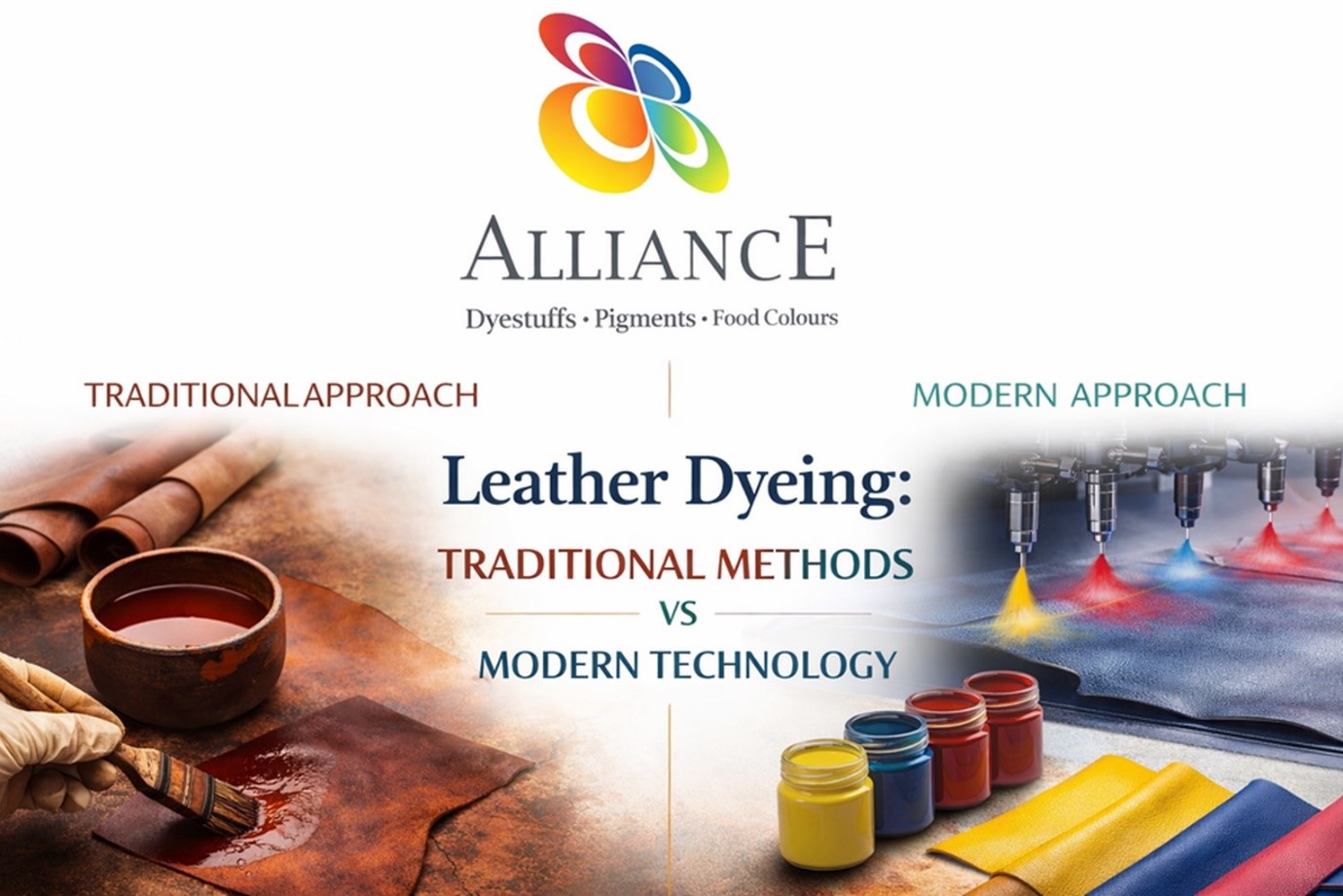
Leather Dyeing: Traditional Methods vs Modern Technology
Introduction: The Art and Science of Leather Coloring

Leather has long been prized for its beauty, durability, and versatility. Whether in footwear, luxury handbags, furniture, or automotive upholstery, leather goods often get their final touch of character and style through dyeing. While the process might seem simple, just adding color, the reality is far more intricate.

Dyes for leather must meet aesthetic expectations as well as evolving environmental regulations and performance standards. As a result, the leather industry is shifting from traditional dyeing techniques to advanced, eco-conscious technologies.

Let’s break down how these two approaches compare and what the future holds for leather dyeing.

Traditional Leather Dyeing: A Craft Rooted in History

Leather dyeing is one of the oldest colouring processes, with roots tracing back to ancient civilisations. Traditional methods were manual and relied on natural dyes.

Common Traditional Methods:

• Drum Dyeing: Leather hides are tumbled with dyes in rotating drums for even penetration.

• Hand Dyeing: Artisans use brushes, sponges, or daubers to manually apply dye—ideal for detailed or customized work.

• Vat Dyeing: Leather is submerged in dye baths for slow absorption over hours or days.

 Natural Dyes for leather are Traditionally Used:

  • Indigo for blues
  • Logwood for purples
  • Henna and saffron for yellows
  • Madder root for reds

These processes produce rich, warm tones and are still favoured in artisan leather goods, but they have drawbacks:

  • Inconsistent color batches
  • Longer processing times
  • Limited resistance to wear and light
  • Use of large volumes of water and chemicals for fixing color

Modern Leather Dyeing: Efficiency Meets Sustainability

As the leather industry industrialised, the need for scale, precision, and efficiency led to synthetic dyes and automated processes.

  • Key Innovations in Modern Dyeing:
  • High-performance aniline and metal-complex dyes for vibrant, deep penetration
  • Solvent-based dyes for leather helps fast-drying applications
  • Eco-friendly water-based dyes reducing VOCs (volatile organic compounds)
  • Computer-aided color matching for batch consistency
  • Rapid drum dyeing with controlled heat and rotation cycles

These innovations allow leather manufacturers to produce uniform shades, optimise yield, and meet regulatory compliance, especially for global exports.

 Sustainability in Focus: Green Chemistry and Cleaner Alternatives

Modern dyeing isn’t just about better colors; it is about cleaner processes. Environmental concerns are reshaping how leather dyes are formulated and applied.

What’s Driving Change?

 REACH & EPA regulations limiting harmful chemicals

  • Customer demand for eco-conscious products
  • Fashion brands committing to net-zero emissions

Eco-Friendly Advances Include:

  • Water-based dyes with low toxicity
  • Chrome-free leather dyeing
  • Enzyme-assisted dyeing for lower energy use
  • Closed-loop dye systems that recycle water and chemicals

These innovations help major tanneries reduce chemical runoff, carbon emissions, and water usage.

Performance Comparison: Traditional vs Modern

  • Feature Traditional Methods Modern Technology
  • Color Range: Earthy, limited Extensive, customizable
  • Consistency Variable Highly consistent
  • Environmental Impact High Reduced with eco dyes
  • Durability Moderate High (light, rub, water fastness)
  • Application Speed: Slow, Fast, automated
  • Cost Efficiency Lower scale, higher cost Optimised for more batches

At Alliance Organics, we know the balance between tradition & innovation. That is why our range of dyes for leather is crafted to give:

  • Superior penetration and color strength
  • Compliance with REACH, RoHS, and other international norms
  • Water-based and low-VOC dye options
  • Tailored solutions for footwear, belts, upholstery, bags, and more

Our dyes are trusted by manufacturers across India, Europe, and Southeast Asia. They help meet the evolving expectations of both customers and regulators.

FAQs: People Also Ask

 Are synthetic leather dyes safe?

Yes—especially modern formulations that comply with global chemical safety standards and avoid heavy metals. 

Can eco-friendly dyes match the performance of traditional dyes? 

Absolutely. Many water-based dyes today match or even exceed the lightfastness, rub resistance, and color depth of older solvent-based options.

Why is leather dyeing important for product quality?

Proper dyeing ensures that leather maintains color uniformity, durability, and aesthetic value—which directly affects product appeal and price.

Conclusion: Innovation Without Losing Craft

Leather dyeing is both an art and a science. While traditional techniques reflect rich craftsmanship, modern technologies are redefining what is possible with improved performance, sustainability, and efficiency. As consumer expectations continue to evolve, manufacturers must choose dye solutions that balance heritage with modern innovation.

By partnering with trusted suppliers like Alliance Organics, brands can access high-performance, eco-smart dye solutions designed for today’s leather industry. Alliance Organics focuses on delivering quality, consistency, and sustainable dye technologies that help manufacturers create beautiful, durable, and responsible leather products. If you’re looking to enhance the quality and appeal of your leather goods, explore the advanced dye solutions from Alliance Organics and take a step toward smarter, more sustainable leather production.