
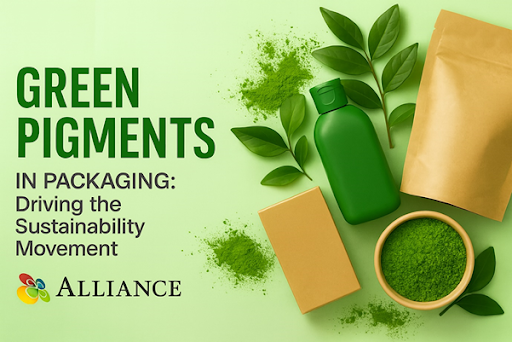
Color affects how we feel about products by showing freshness, eco-friendliness, and brand identity. As packaging becomes more eco-friendly, every material, including pigments, is being scrutinised more closely.
Green pigments are unique not only because of their color, but also because they help packaging meet environmental goals. Manufacturers want pigments that are safe, stable, and long-lasting.
How do green pigments help make packaging more eco-friendly? Let’s discuss their science, how they work, and how they benefit the environment.
What Are Pigments That Are Green?
When added to packaging materials, green pigments change color to make different shades of green. They can be made of organic or inorganic materials, and the type of material (plastic, paper, foil, etc.) and the desired result will determine which one to use.
Different kinds of green pigments:
• Chromium Oxide Green (Inorganic) o Strong and resistant to UV light; used in plastics and coatings.
• Phthalocyanine Green (Organic): This color is bright and stays the same for flexible packaging and printing inks.
• Alternatives that are good for the environment
Why Green Pigments Are Important for Sustainable Packaging
People have been worried about synthetic pigments for a long time because they contain toxic heavy metals, don’t break down easily, and are hard to recycle. That’s why the pigment business is changing.
Today, “green pigments” means both the color and the fact that the pigments used in packaging are good for the environment. Their benefits for the environment can really make a difference:
1. Better for recycling
Pigments that don’t get in the way of sorting make it easier to recycle packaging.
2. Safe for Food Use
The FDA, FSSAI, or REACH have all approved many green pigments for use in food packaging.
3. Less carbon footprint
Some pigments are made using inputs that can be used over and over again or processes that use less energy.
Uses of Green Pigments in Packaging
Green pigments are used in many different types of packaging where color and compliance are both very important.
1. Flexible Packaging (Plastics, Laminates)
Used in wrappers, pouches, and films to make them look good while still working with low-VOC inks and eco-friendly resins like PLA or recycled polyethylene.
2. Hard packaging (bottles, caps, and containers)
To make colored bottles and caps that can still be recycled, green pigments are added to HDPE, PET, and PP.
3. Packaging that is safe for food
Phthalocyanine-based green pigments are often used in food container printing inks and label coatings to make sure they are safe and the colors stay stable.
4. Packaging made of paper and board
We use eco-friendly green pigments to print on kraft paper bags, cartons, and cardboard trays with water. This is in line with our zero-waste goals.
What Makes a Pigment “Green”?
It’s not just about the color; it’s also about doing the right thing. A real green pigment has to meet a number of standards:
What Criterion Means
Not harmful, doesn’t have heavy metals, VOCs, or cancer-causing chemicals
REACH, RoHS, FDA, and FSSAI certified for compliance with rules
Recyclability works with recycling streams.
Safe to touch. Good for use in food or cosmetics
Production that lasts: Using less energy, reusing water, and making as little waste as possible
Alliance Organics: Supporting Green Pigments for Eco-Friendly Packaging
We at Alliance Organics think that color should never get in the way of being eco-friendly. That’s why we’ve made a line of green pigments just for packaging makers who care about the environment.
What Makes Us Different:
• Certifications from REACH, RoHS, FDA, and FSSAI
• No heavy metals or other harmful substances that could harm the environment
• Custom mixes for packaging that can be bent or not
• Colors that don’t get in the way of recycling
• Full documentation support (MSDS, TDS, COA)
We work with converters, brand owners, and packaging designers to make sure your ESG and compliance goals are met with safe, long-lasting, and green color solutions.
Questions that are often asked (FAQs)
1. Are all pigments that are green good for the environment?
No, not always. Just because a pigment is green doesn’t mean it’s safe to use or recyclable. Always look for certifications from REACH, RoHS, or the FDA.
2. Do green pigments make things harder to recycle?
Yes. Some pigments with additives can make recycling harder. To avoid this problem, eco-certified pigments are made by trusted suppliers.
3. Are green pigments safe for packaging food?
Phthalocyanine Green and other green pigments are safe for indirect food contact. Always check whether you are following the rules.
4. What kinds of businesses use green pigments in their packaging?
Green pigments are widely used in packaging for fast-moving consumer goods (FMCG), food and drink, cosmetics, e-commerce, and retail.
In conclusion, responsible packaging and sustainable color
When a brand chooses green pigments, it’s not just about the color—it reflects a deeper commitment to eco-friendly practices and responsible packaging. In a world that increasingly values sustainability, the right pigments help brands stand out as genuinely dedicated to greener choices.
By selecting green pigments that are safe, recyclable, and certified, manufacturers can actively contribute to a healthier planet while maintaining visual appeal. This approach allows brands to blend style with ethics seamlessly. Choose trusted, sustainable pigment solutions from Alliance Organics and take a confident step toward building a greener, more responsible future.