
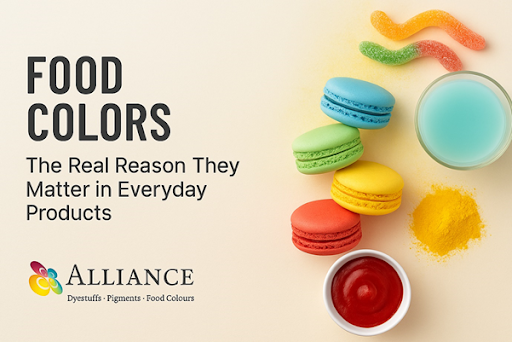
Food Colouring can be found in nearly every packaged food we eat, although its importance is generally undervalued. It has an impact, not only on the appearance of the product, but also a substantial impact on the consumer’s perception of taste, the quality and integrity of the product and overall product quality. A vibrant drink or a richly coloured spice blend sends immediate signals about taste and freshness. Because of this, food colors has become a strategic tool in food design rather than a simple aesthetic choice. This discussion examines how food Colors functions, why it matters, and where it delivers value in the modern food market.
Understanding the Role of Food Colors
Approved Colorsants are those Colorsants that can be used in food and drink for an enhanced cosmetic effect on food and drink, as well as to correct discolouration brought about by food processing or to allow food to be visually uniform.
Food Colorsants can be divided into two categories based on their source of origin and how the Colourant works within foods.
Major Forms of Food Colors
- Naturally derived food Colors: Obtained from botanical or mineral sources such as turmeric, beetroot, paprika, or annatto
- Synthetic food Colors: Produced through controlled chemical processes and favoured for strong pigmentation, stability, and cost efficiency
- Lake food Colors: Insoluble pigments created for applications requiring oil compatibility or dry blending
- Each form of food colors is selected based on technical requirements and end-use conditions.
Why Food Colors Plays a Key Role
1. Visual Influence on Buying Decisions
Among all sensory cues, Colors is processed first. Consumers instinctively associate bright, familiar shades with better taste and freshness, while unexpected tones often lead to rejection. The effects of visual cues on flavor perception are highly significant in the Confectionery and Beverage Product Industries targeted at Younger Consumers.
Visual stimuli can affect the way a consumer perceives the flavor of a product. For example, if a consumer expects a product’s taste based on its Colors, but finds that the two don’t match, they will often misinterpret the flavor. The strength of visual appearance is evident in such instances.
2. Addressing Colors Loss During Production
Food processing methods such as heating, exposure to oxygen, and prolonged lighting can degrade natural pigments. Food colouring can be used in some products to return the product to a more expected appearance, giving customers a feeling of consistency while maintaining the overall appeal of the product at retail.
Dairy items include fruit ingredients, but when the product has undergone heat processing, the fruit colours may no longer look as bright. Adding the proper food Colorsing enables the consumer to again notice the Colors of freshness.
3. Maintaining Consistency Across Brands
Brand recognition depends heavily on visual uniformity. Leading brands rely on precise food Colors control to ensure every batch looks identical, regardless of production location. Even minor shade differences can affect perceived quality, especially in beverages and confectionery.
4. Natural and Synthetic Food Colors Preferences
The growing consumer demand for greater levels of transparency from food products is generating an increased interest in food Colors alternatives such as natural Colors. Food Colors is still required for many applications where high-temperature stability, long shelf life, and cost-effective manufacturing are needed. As a result, many manufacturers utilize both types as appropriate, using the different types of Colors based on the specific goals of their products and consumer market expectations.
Where Food Colors Is Used
| Industry Segment | Typical Food Colors Applications |
| Drinks | Red, yellow, and blue shades |
| Confectionery | High-impact bright Colors |
| Dairy | Annatto, beta-carotene |
| Bakery | Caramel and brown tones |
| Pharmaceuticals | Food-grade pigments |
| Sauces & Seasonings | Paprika, curcumin |
Selecting the Appropriate Food Colors
When selecting a food colouring, it’s necessary to evaluate its performance (heat and light resistance) or pH behaviour and its solubility, acceptability by regulatory agencies, and consumer preference. Food Colouring should be an appropriate match so that it looks good on the shelf but will not change the taste or safety of the product.
Alliance Organics: Expertise in Food Colors Solutions
Comprehensive food Colors solutions for food products meeting all international Safety & Quality Standards, offered by Alliance Organics, are designed for consistent performance across various types of food products .The offerings are customizable through customer research & development.
Whatever your food Colors formulation needs for large scale consumer products or clean label formulations, Alliance Organics provides food Colors that is stable and compliant as well as maintaining consistent visual Colors throughout the product. Partner with us for dependable food Colors solutions tailored to your needs.
Frequently Asked Questions
Are food Colors ingredients safe?
Approved food Colors materials are evaluated by regulatory authorities such as FDA, EFSA, and FSSAI before being allowed for use.
Is there a difference between food dye and food Colors?
Food dye usually refers to soluble synthetic Colors, while food Colors includes dyes, natural extracts, and lake pigments.
Does food Colors change flavor?
Food Colors is designed to be flavor-neutral, although it may influence perceived taste visually.
Which is better: natural or synthetic food Colors?
Natural food Colors aligns with clean-label trends, while synthetic food Colors provides superior brightness and stability. Each serves different applications.
Final Thoughts: Why Food Colors Matter
Colors is far more than a visual enhancement—it play a powerful functional role in food products. Food Colors shape how consumers perceive quality and taste, strengthen brand recognition, and directly impact purchasing decisions. It helps products stand out on crowded shelves, guiding shoppers toward certain choices and influencing what they finally buy. For businesses involved in food development or manufacturing, understanding the impact of food Colors is essential to creating products that attract attention and build lasting consumer trust.
Alliance Organics delivers reliable, high-quality food Colors solutions designed to enhance visual appeal and brand consistency. Partner with Alliance Organics to create food products that capture attention, inspire confidence, and drive consumer preference.