
Not all colorants break down when they are in the sun, rain, dust, or time. Iron oxide pigments are known for being long-lasting, weather-resistant, and natural-looking. These pigments help painted surfaces remain bright and durable.
Manufacturers of architectural coatings, industrial paints, and artistic finishes often choose iron oxide pigment because it looks good and works well. What makes these pigments different? Look at their benefits below.
What Are Pigments Made of? Iron Oxide.
Iron oxide pigments are not organic and are mostly made of iron and oxygen. You can find them in nature as minerals, or factories can make them to make sure they work and look good every time.
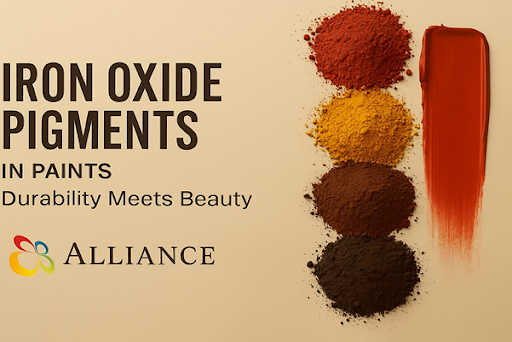
These pigments are known for making a wide range of earthy colors:
• Red Iron Oxide (Fe₂O₃)
• Yellow Iron Oxide (FeO(OH))
• Iron Oxide Brown
• Iron oxide in black (Fe₃O₄)
Iron oxide pigments are safe to use, stable, and don’t break down when exposed to heat or UV light. This makes them a great choice for projects that need color that lasts, is safe, and works well.
What Are the Benefits of Using Iron Oxide Pigments in Paint?
Paint has to deal with a lot of things, like sunlight, water, changing temperatures, and pollution. A good pigment needs to be able to handle these things without fading, cracking, or breaking down. That’s what iron oxides do.
Main Benefits:
1. Good at withstanding bad weather
Iron oxides don’t break down in UV light, water, or acid rain, so they are great for outdoor paints.
2. Strong tinting and high opacity
A little bit of pigment can color a lot of space, which helps keep paint formulas cheap.
3. Stability of Chemicals
These pigments don’t react with acids, bases, or solvents.
4. Stability in Heat
They can work at high temperatures, which is very useful for industrial coatings.
5. Consistency of Color
For big projects, it’s important that synthetic grades give the same color from batch to batch.
Uses in Paints and Coatings
Iron oxide pigments are widely used in both decorative and industrial settings because they can be applied to a range of surfaces.
• Paints for the outside walls
• Coatings for roofs
• Finishes that look nice, like paints with a stone texture
These pigments help make colors that look natural and go well with both modern and traditional architecture. They also keep their color over time.
Coatings for Industry
• Coatings that protect bridges and steel buildings
• Paints that are very strong against rust
• Coatings for pipes and boats
Iron oxides are great for these uses because they don’t rust and stay stable at high temperatures.
Paints for art and special effects
• Fake finishes and patina effects
• Iron oxide red in Indian murals from the past
• Industrial design themes that look like rust
Different kinds of iron oxide pigments and what they are used for
Common Uses for Color
Red (Fe₂O₃) Roof tiles, paints made of cement, and metal coatings
Yellow (FeO(OH)) Emulsion paints, plasters, and finishes with texture
Synthetic stone textures and brown stone-effect paints
Black (Fe₃O₄) bitumen coatings, road marking paints, and primers
Formulators can make custom colors for different uses by changing the shade, the way it spreads, and how well it works with different vehicles.
The World Needs Iron Oxide Pigments
As infrastructure development accelerates, especially in developing countries such as India, Southeast Asia, and Africa, the need for durable paints is increasing. Because of this, iron oxide pigment makers are ramping up production and focusing on:
• Processing that is good for the environment
• Complying with REACH and RoHS
• Custom pigment solutions for specific industries
Alliance Organics: The Iron Oxide Pigment Supplier You Can Trust
We at Alliance Organics know that when it comes to paints, looks and durability are equally important. That’s why we designed our iron oxide pigments to do the following:
• Better mixing in systems that use water or solvents
• Batches that are always high-purity
• Global certifications (REACH, RoHS, FSSAI, ISO 9001)
• Services for mixing pigments and matching shades
• Safe, heavy-metal-free formulas
Our pigments are made to work in the toughest conditions, whether you’re making decorative emulsions or industrial primers
Common Questions (People Also Ask)
1. Are iron oxide pigments safe to use indoors?
Yes. They are safe to use inside and outside, in places like homes, schools, and hospitals. They are also non-toxic and low in VOCs.
2. Do iron oxide pigments lose their color over time?
Iron oxide pigments are very resistant to UV light, which means they don’t fade as quickly as other organic pigments.
3. What is the difference between iron oxide that comes from nature and iron oxide that is made in a lab?
Synthetic pigments give you better color control, purity, and consistency. Natural pigments, on the other hand, may change slightly from batch to batch.
4. Can I use iron oxide pigments in paints that are water-based?
Of course. They work well with both water-based and solvent-based formulations and have great dispersion properties
Conclusion: The Perfect Mix of Beauty and Strength
Iron oxide pigments are more than just colors; they are an important part of making paints last longer, look better, and stand up to the weather. The right pigment can make a big difference when you’re painting anything from a skyscraper to a warehouse to a family home.
Are you ready to improve your paint recipes? Call Alliance Organics today to talk about what pigments you need and find out how our iron oxide pigments can change your next project.